PROFESSIONAL LED STROBE LIGHTS
LED Strobe Lights Designed Around the Cue
Define whether the fixture must create a full-stage flash, audience hit, pixel chase or layered color-and-white effect before comparing output.
CUE ARCHITECTURE
Choose the strobe from the visual event it must create.
Peak intensity, duration, color layers and segmentation shape different audience experiences.
Full-field flash
A unified white or color hit used for large rhythmic accents.
Blinder-style audience hit
A sustained or pulsed audience-facing moment requiring controlled placement.
Segmented chase
Zones or pixels create movement across the fixture or rig.
Layered effect
White strobe and color sources combine when the model supports independent control.
CAMERA & AUDIENCE CHECK
Test the exact cue, camera and viewing position.
Strobe behavior is temporal; still photos and wattage cannot prove the result.
Flash envelope
Review attack, decay, pulse length, repetition and dimming at show settings.
Camera response
Test the intended cameras, frame rates, shutters and processor workflow.
Audience operation
Plan direction, duration, warning, operator control and venue requirements.
REAL STROBE PROOF
Document output layers and control modes.
Use short controlled tests that show the visual behavior without making safety claims.
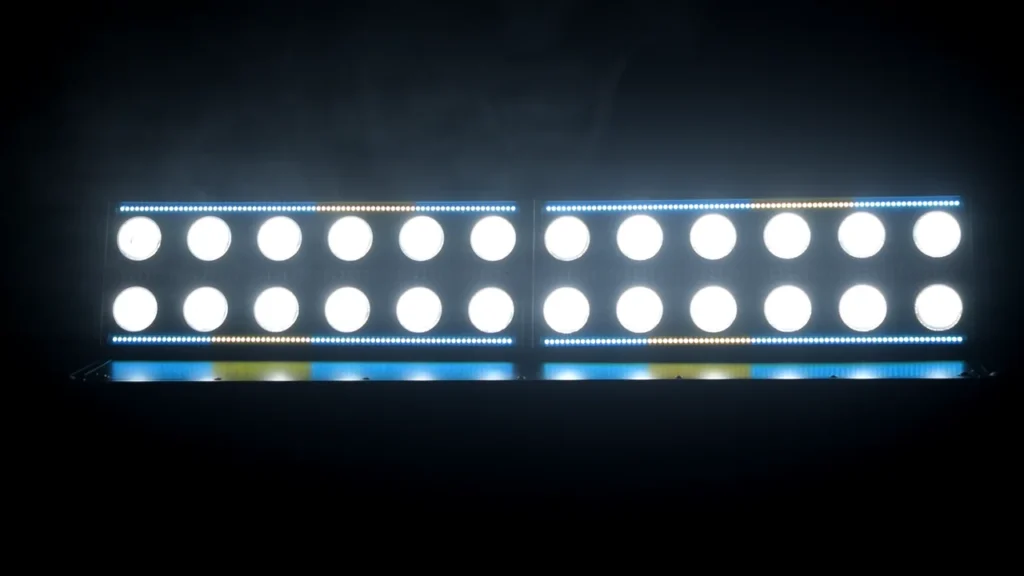
White flash behavior
Show the usable stage or audience effect at representative distance.
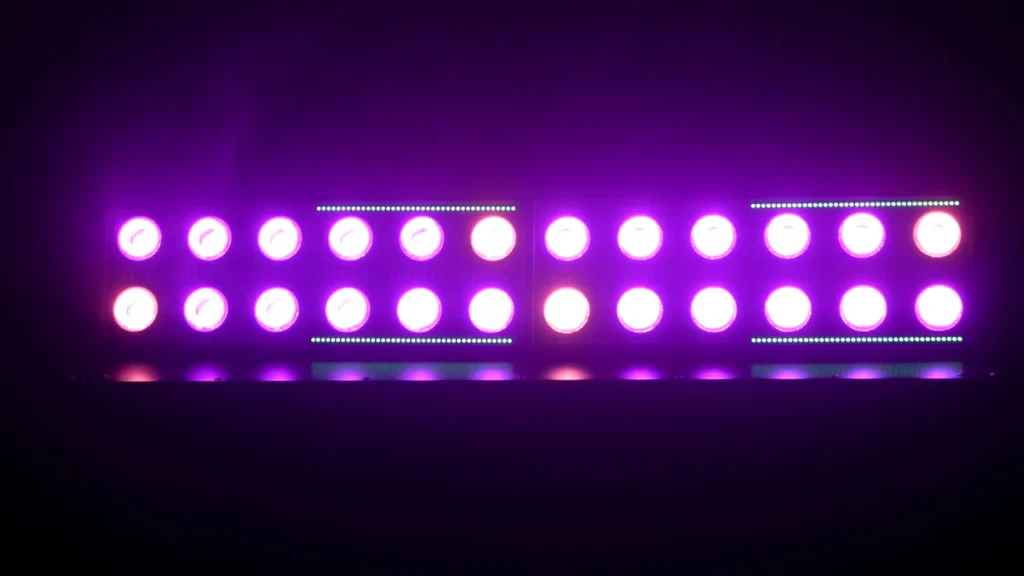
Color and segment behavior
Show independently controlled zones or pixels where documented.
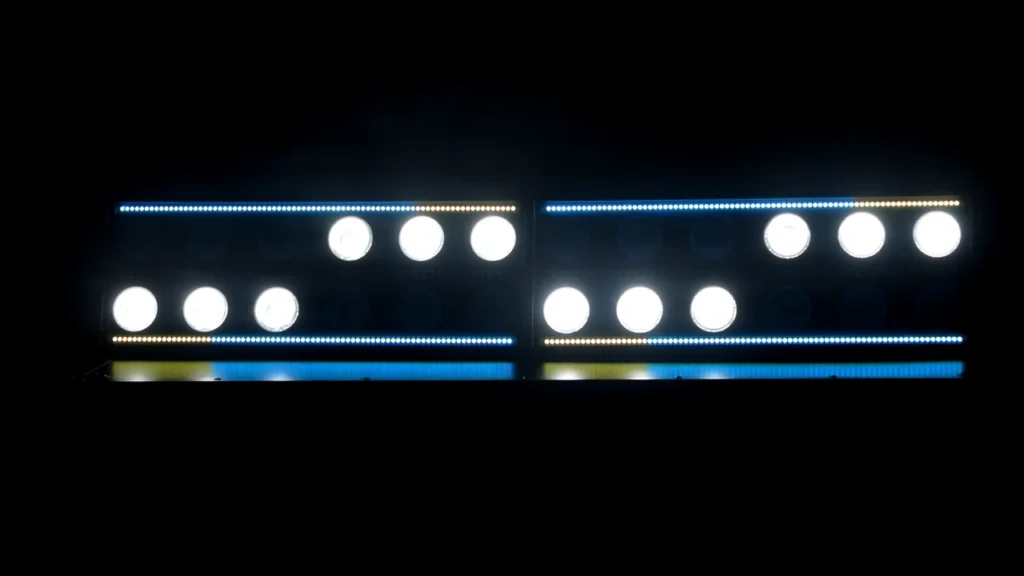
Dimming and transition behavior
Show low-level output, fades, blackout and cue transitions.
LED STROBE RANGE
Compare products in the context of the intended project.
Open the full model page to review documented specifications, configuration and application details.
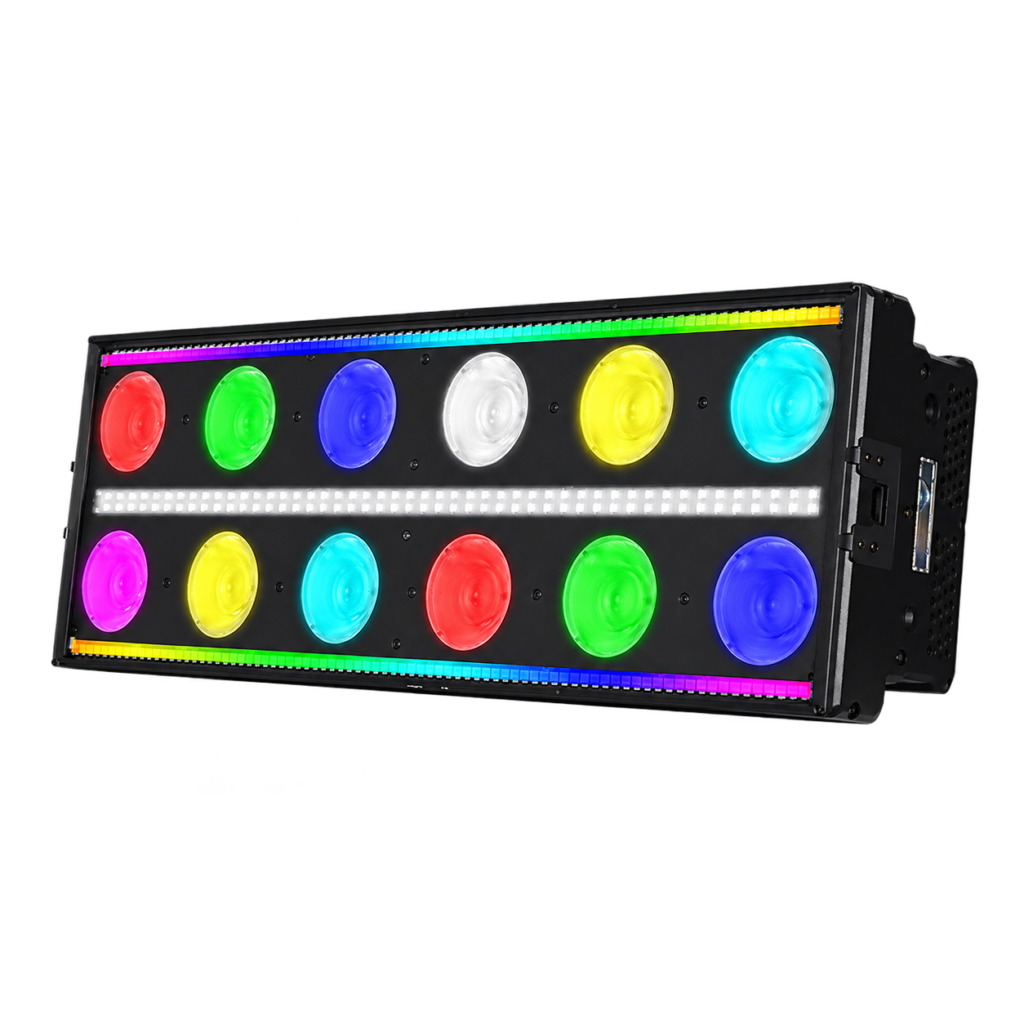
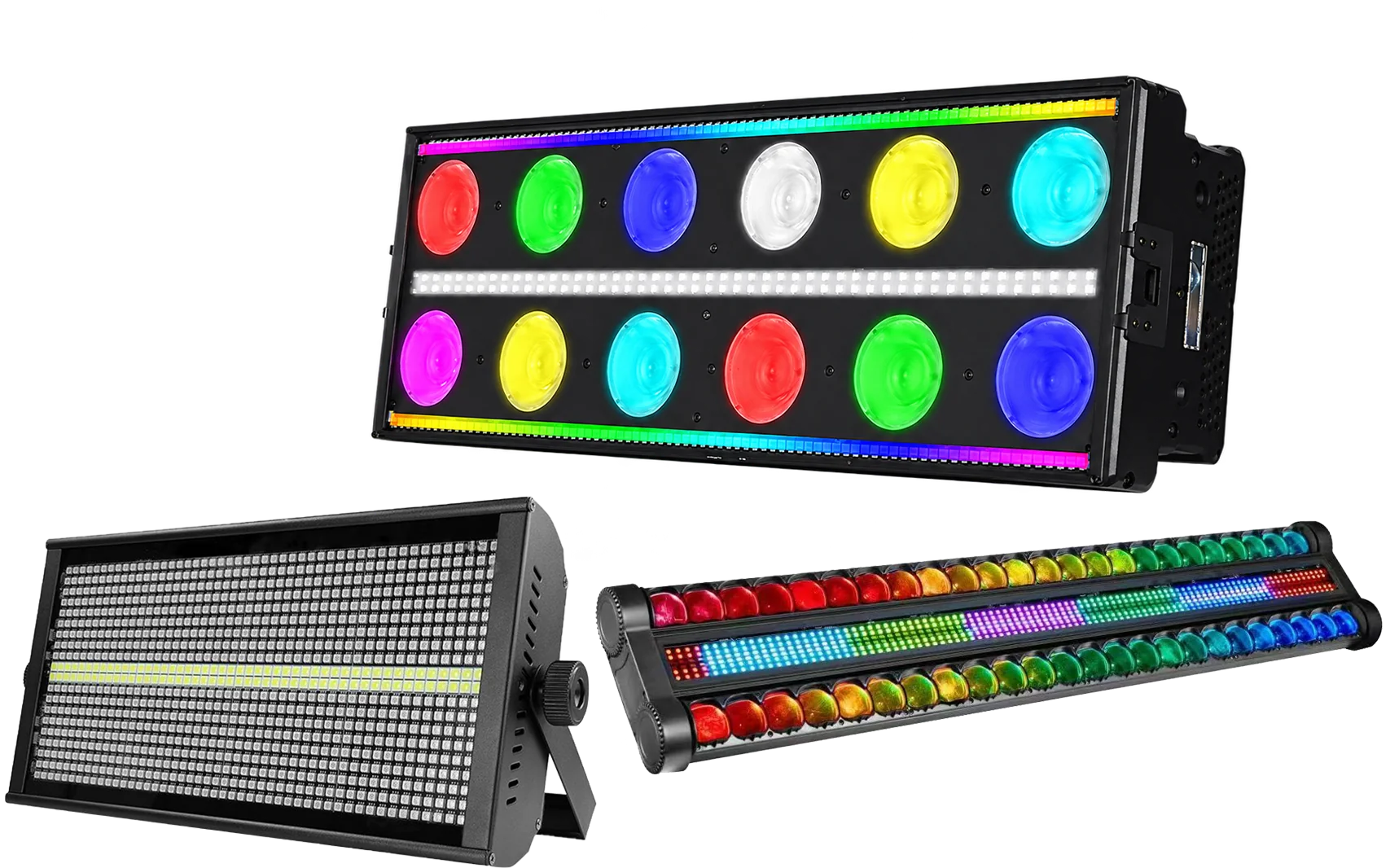
LED STROBE · RG-907
RGBW Stage Effect Light
A 12-lens RGBW stage effect light with an eight-segment 600W white strobe, segmented RGBW pixel bars and 10/46/119CH DMX control.
- 12 × 60W RGBW; 600W pure-white strobe; 32 × 3W RGBW pixel bar
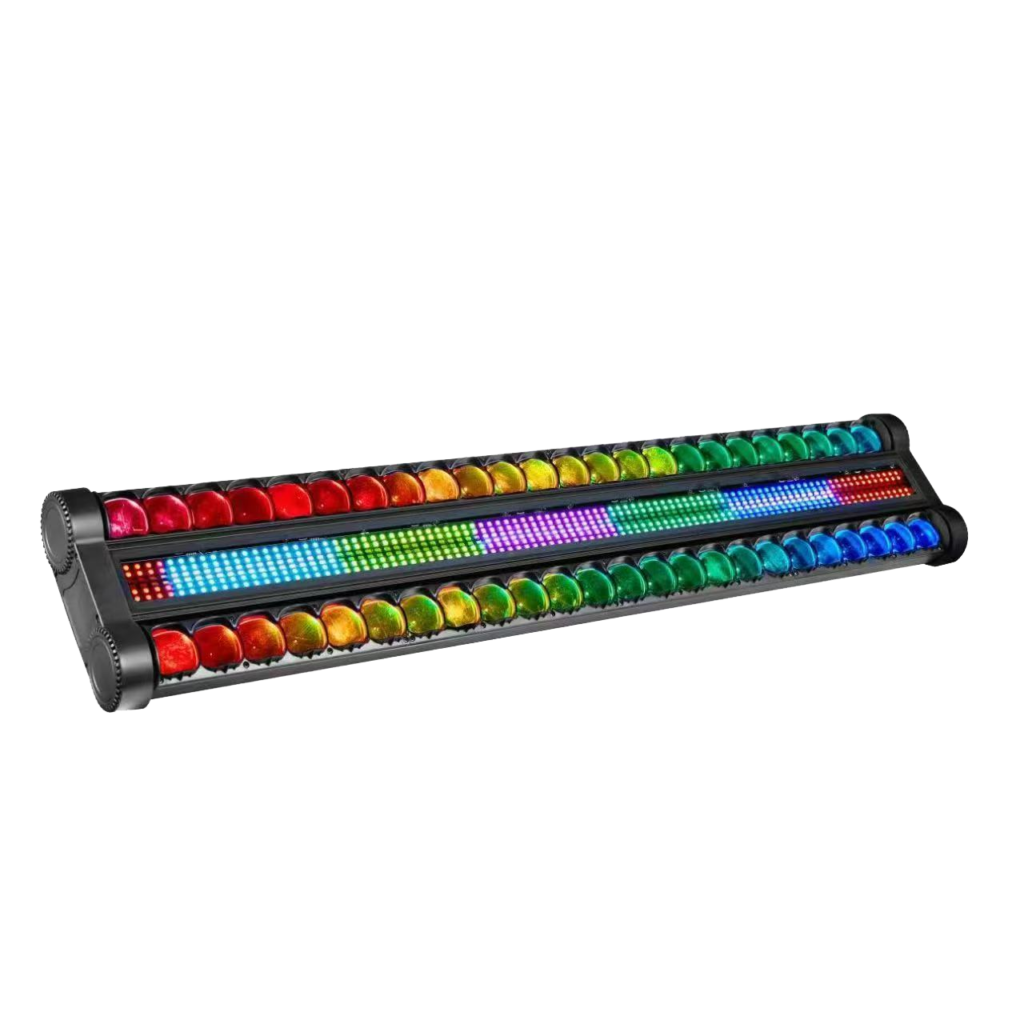
LED STROBE · RG-906
253W Double-Row Beam Swing Strobe Light
A 253W moving LED strobe bar with two segmented RGBW beam rows, a tri-color LED layer, a white strobe layer and five DMX channel…
- Dual RGBW 3535 rows; 384 × 5050 tri-color LEDs; 192 × 5730 white LEDs
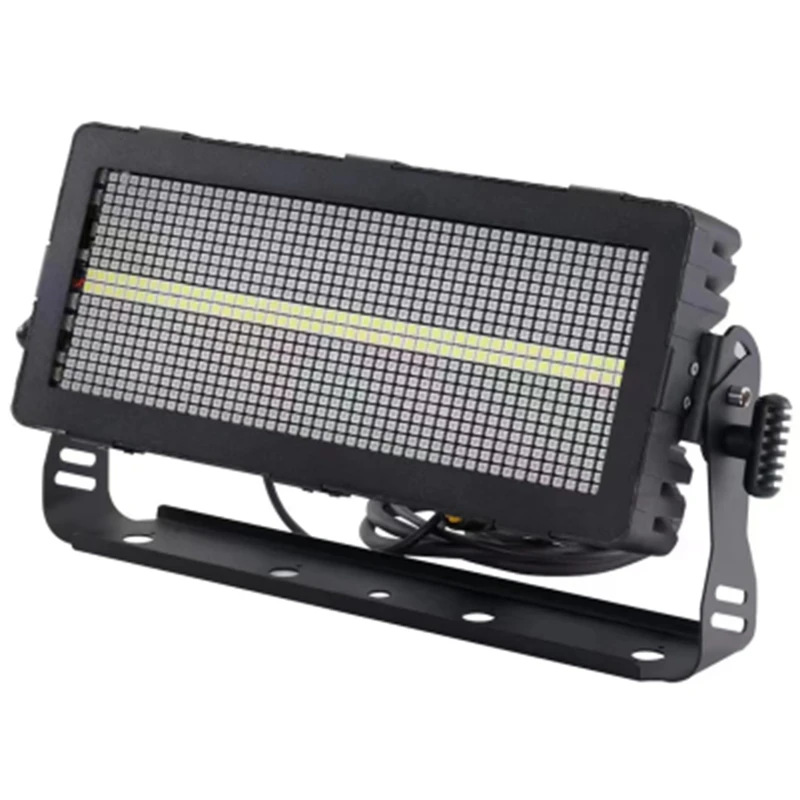
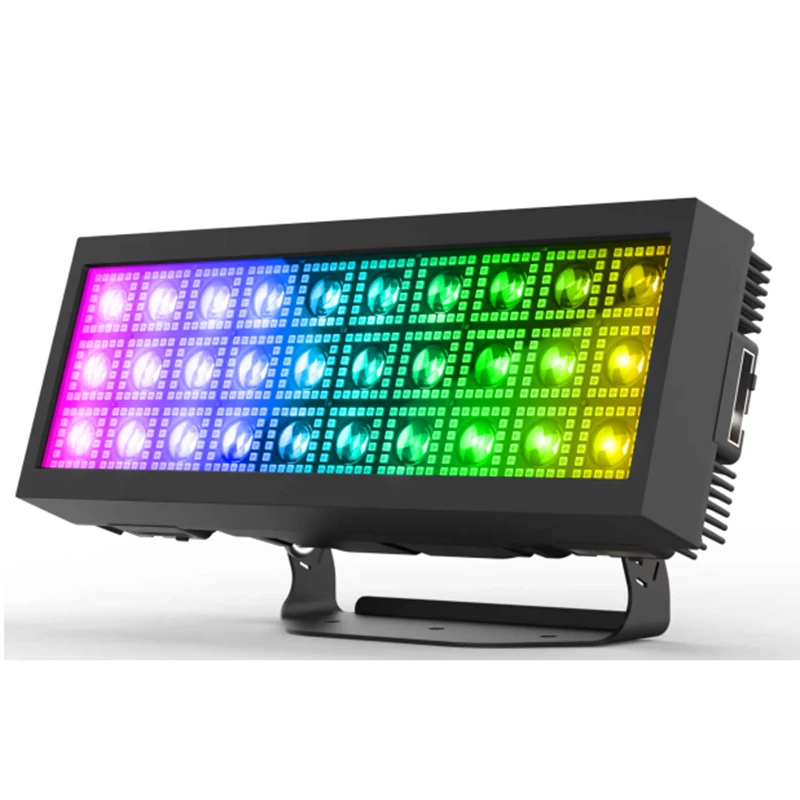
LED STROBE · RG-910
800W 120-Zone RGB LED Strobe Light
800W RGB LED strobe light with 1080 LEDs, a 120-segment layout, chase effects and 1–30Hz strobe. Listed controls include 3CH/12CH/360CH DMX profiles, RDM and…
- 1080 × 0.8W RGB LEDs
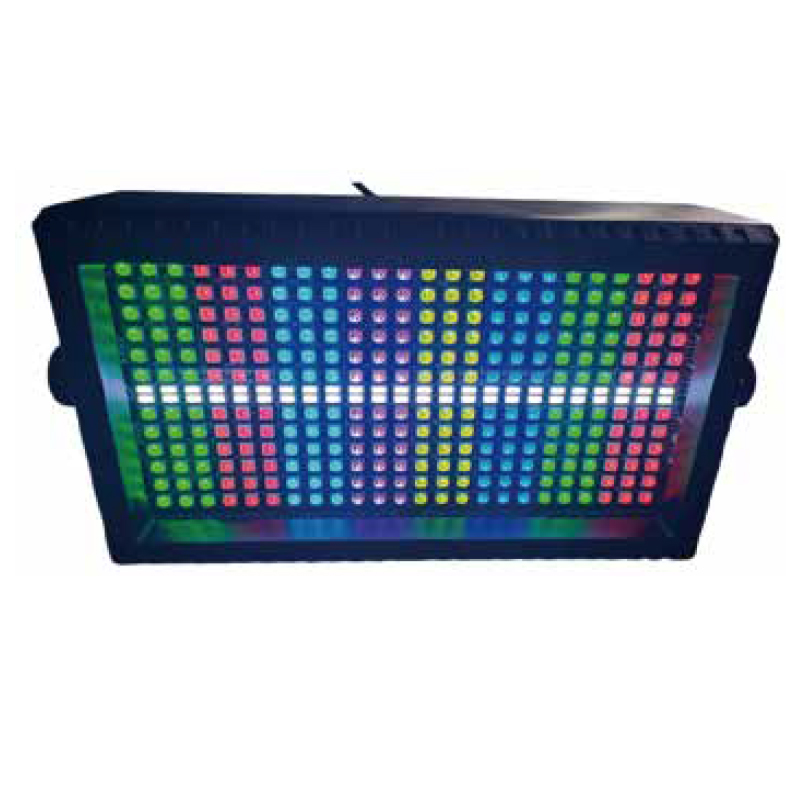
LED STROBE · RG-911
400W Warm White & RGB Matrix LED Strobe Light
400W matrix LED strobe light with thirty 10W warm-white main LEDs and 600 auxiliary 0.3W RGB LEDs. Listed functions include color wash, 1–30Hz strobe,…
- 30 × 10W 3535 warm-white LEDs + 600 × 0.3W 5050 RGB LEDs
- IP20
LED STROBE · RG-908H
Mini LED Strobe Light with 48 RGB and 8 White Segments
Mini LED strobe panel with 48 RGB and 8 white segments, 212 × 121mm listed size, DMX512, standalone modes, RDM and online upgrading.
- 288 × 0.2W 5050 RGB LEDs; 48 × 0.5W 5730 white LEDs
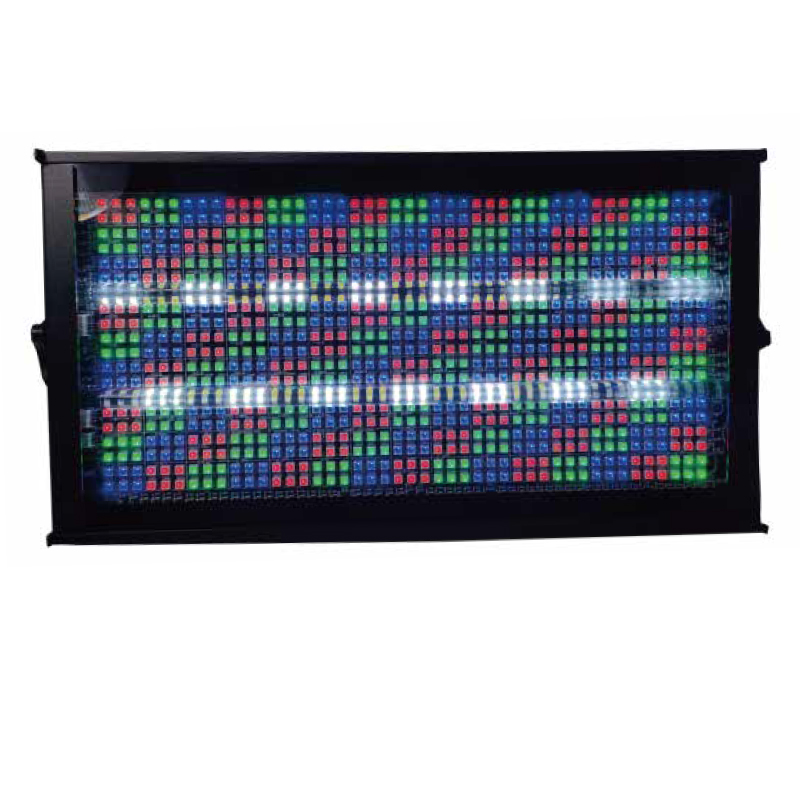
LED STROBE · RG-908G
135 RGB + 30 White Segment LED Strobe Light
LED strobe panel with 135 RGB and 30 white segments, six DMX profiles, RDM, DMX512 online upgrade and 32-bit linear dimming for stage cues.
- 810 × 0.2W 5050 RGB LEDs; 180 × 1W 2835 white LEDs
STROBE RFQ
Describe the cue and control depth.
This separates a simple flash fixture from a layered pixel-effect system.
Visual role
Full flash, blinder, pixel chase, color layer or combination.
Rig and audience
Position, throw, direction, room scale and operating limits.
Control and cameras
DMX modes, segments, profiles, frame rates and cue workflow.
Order scope
Quantity, environment, voltage, plugs, rigging, cases and destination.
STROBE APPLICATIONS
Use high-impact effects within a planned show system.
Rig position, cameras, audience direction and operator control change the practical choice.
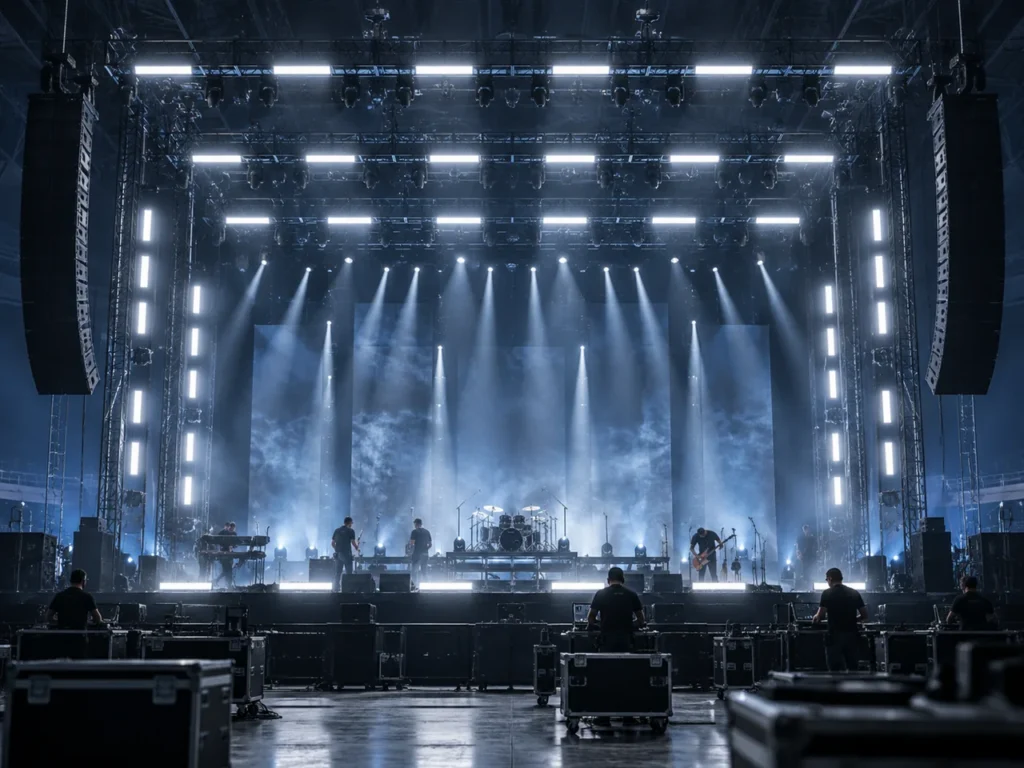
Concerts and touring
Plan synchronized accents, cameras, rig positions, profiles and repeatability.
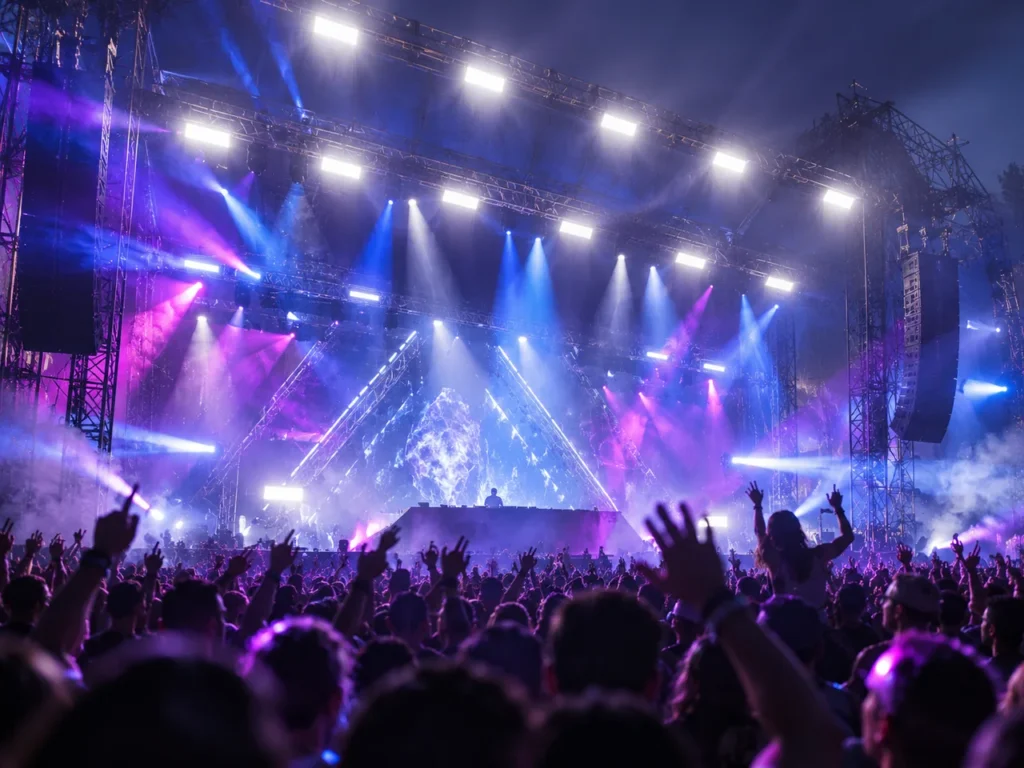
Clubs and festivals
Plan audience direction, room scale, sustained use, haze and control.
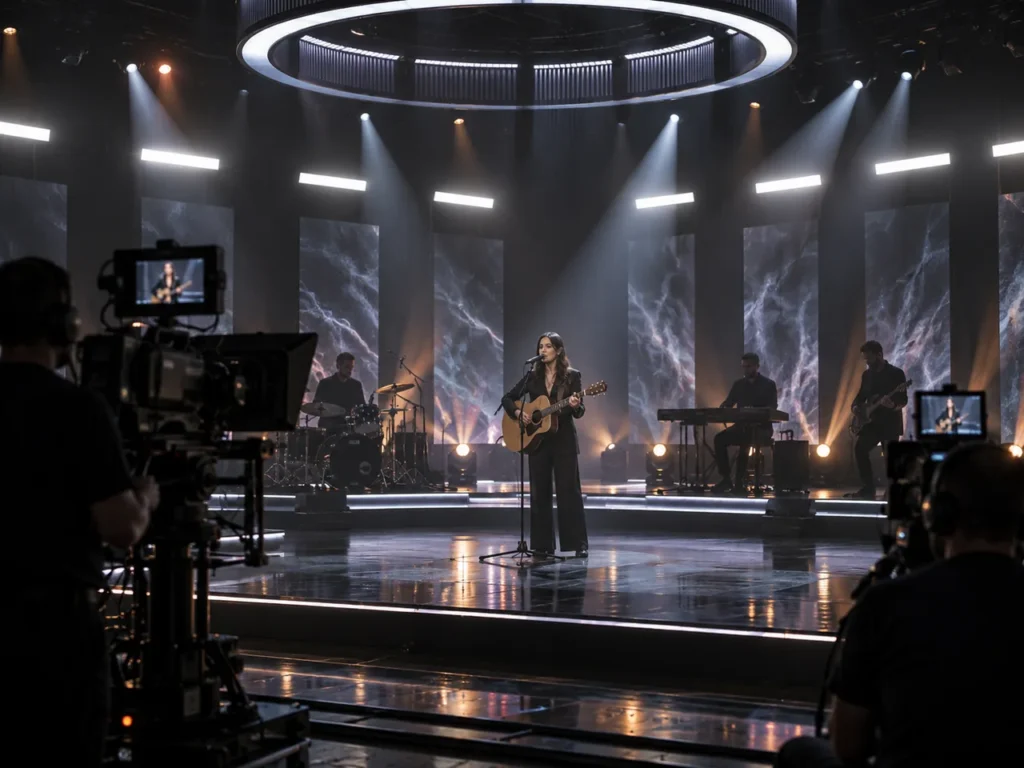
Broadcast-conscious events
Plan camera tests, restrained cues, dimming and alternate looks.
BUYER FAQ
Resolve category-level decisions before comparing quotations.
Model-specific claims still need to be checked on the exact product and ordered sample.
What is an LED strobe light used for?
It creates fast or sustained flashes for rhythmic accents, audience hits and layered stage effects. Models differ in source layout, colors, zones and control depth.
What is the difference between a strobe and a blinder?
A strobe emphasizes rapid flashes, while a blinder is commonly used for strong audience-facing hits or sustained output. Combination fixtures may support both roles.
What does segmented strobe control provide?
It divides the source into independently controlled zones or pixels for chases and movement. Segment count and channel modes are model-specific.
How should LED strobes be tested with cameras?
Use the exact fixture, control mode, cue, camera, frame rate and shutter settings intended for production. Do not infer results from a still image.
What information is needed for an LED strobe quotation?
Provide the cue type, source or segment needs, rig position, audience direction, cameras, control, environment, quantity, voltage, plug and destination.
Need to compare other stage effects?
Explore Stage Effect LightsBUYING DECISIONS
Which DMX stage strobe should you buy?
This range is for stage and event cues, not emergency-vehicle warning lights. Choose full-field flashes, audience accents or independently controlled zones by the intended show cue.
01ORDER CHECK
Color/white layer or moving effect?
For a fixed segmented look, shortlist RG-907 and compare its color and white layers. For a physical beam-swing effect, compare RG-906 in the broader stage-effect range. Movement, LED zones and a flash are separate functions that the quote should identify.
Review the RG-907 layered effect02ORDER CHECK
Are the required zones controllable?
Request the actual channel chart for the selected model and mode. More LEDs do not necessarily mean more addressable zones; more channels may also mean more programming work. Approve the chase sequence on the intended controller, not just a built-in demonstration.
Plan modes and DMX footprint03ORDER CHECK
Approve camera and audience use
Test the specific flash cue with the production cameras and settings. Agree audience-facing positions, cue limits and the operator's event requirements before ordering. A refresh or modulation figure does not guarantee artifact-free footage or safe use for every audience.
Read the stage strobe buying guideSTART YOUR PROJECT
Let’s Talk About
Your Project.
Tell us who you are, what products you need and your expected order size. Our team will review your requirements and recommend the right next step.