PROFESSIONAL SHOW LASERS
Laser Lights Planned Around Effect, Venue and Safety
Start with the intended scanned effect and controlled projection zone. Product selection comes only after venue geometry, operation and local requirements are defined.
RISK-FIRST PLANNING
Define where the beam is allowed to travel before choosing output.
A show laser is a controlled projection system, not a general room light.
Projection zone
Map audience areas, stage positions, reflective surfaces and protected boundaries.
Effect type
Separate aerial effects, graphics, text and surface projection requirements.
Control method
Confirm console, protocol, cue workflow, emergency stop and operator responsibilities.
Local compliance
Confirm venue rules, permits, competent operation and applicable local requirements.
EFFECT ARCHITECTURE
Aerial atmosphere and graphic projection require different planning.
The correct optical and control system depends on the content, projection surface and protected operating zone.
Aerial effects
Consider haze, scan geometry, viewing directions and protected audience separation.
Graphics and text
Consider projection distance, surface, aspect, content workflow and focus.
Synchronized systems
Consider multiple units, alignment, control network, cue recovery and operator visibility.
CONTROLLED DEMONSTRATION
Review effects only in a suitable test environment.
The concept images show what to document with the exact sample, projection conditions and control method.
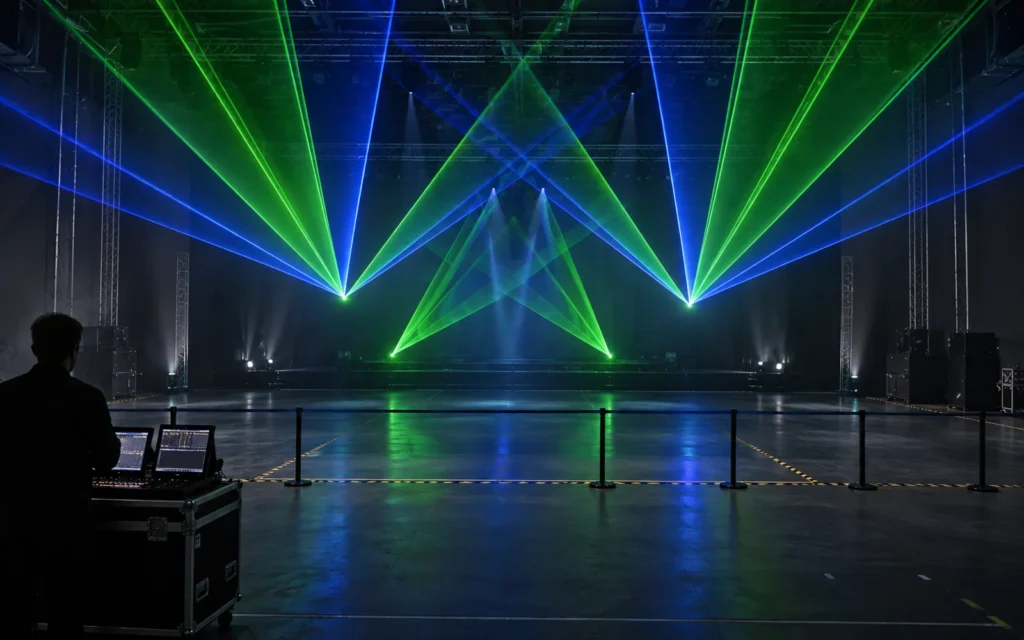
Aerial pattern
Show scan behavior and effect scale within a controlled zone.
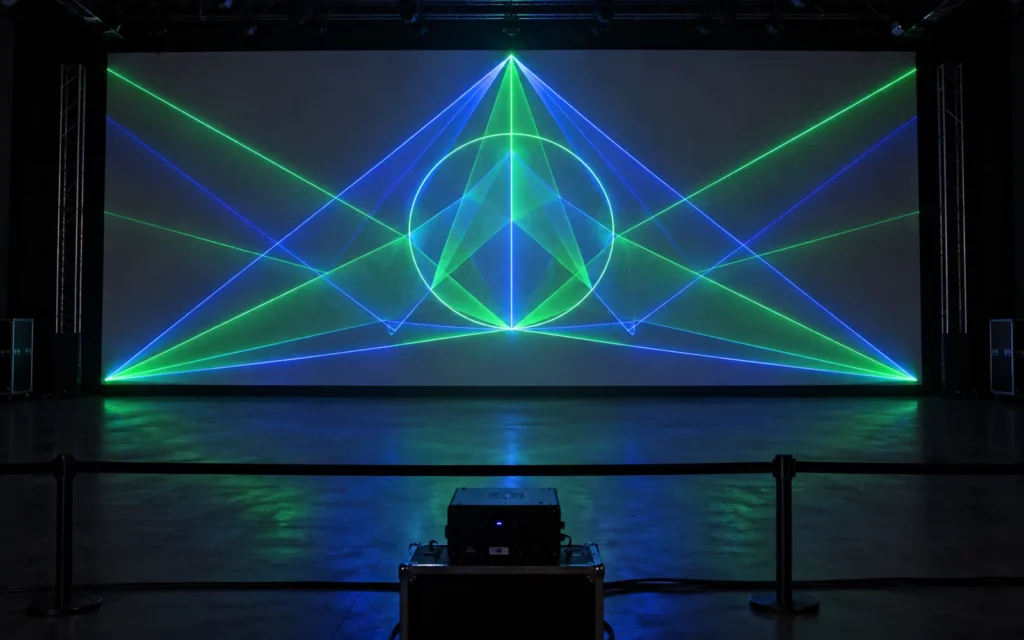
Graphic projection
Show focus, geometry and content detail on the intended surface.
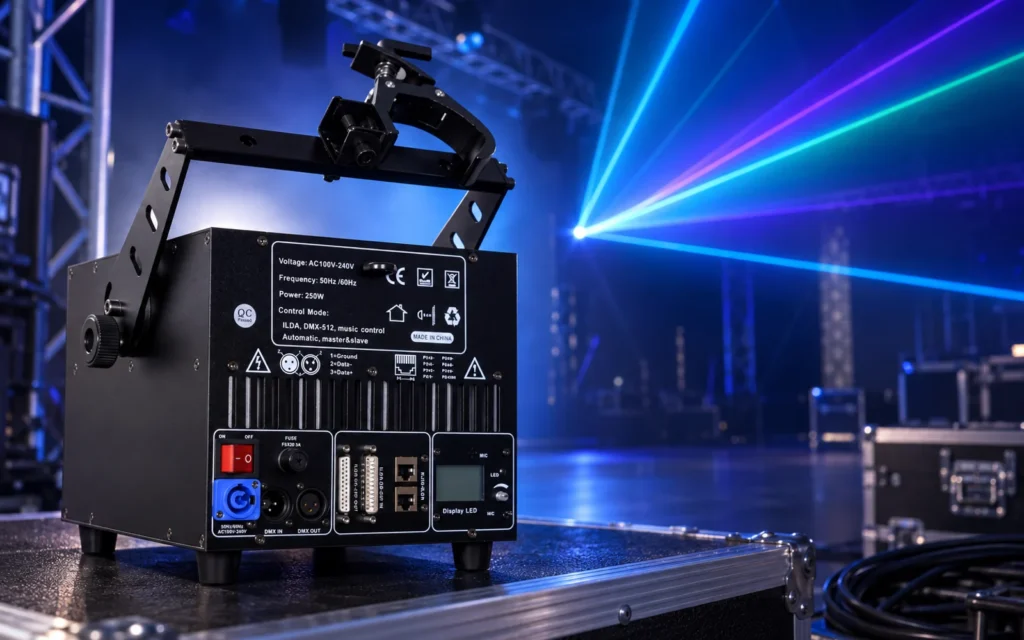
Control and safety interface
Show the quoted control connections and safety provisions without implying regulatory approval.
SHOW LASER RANGE
Compare products in the context of the intended project.
Open the full model page to review documented specifications, configuration and application details.
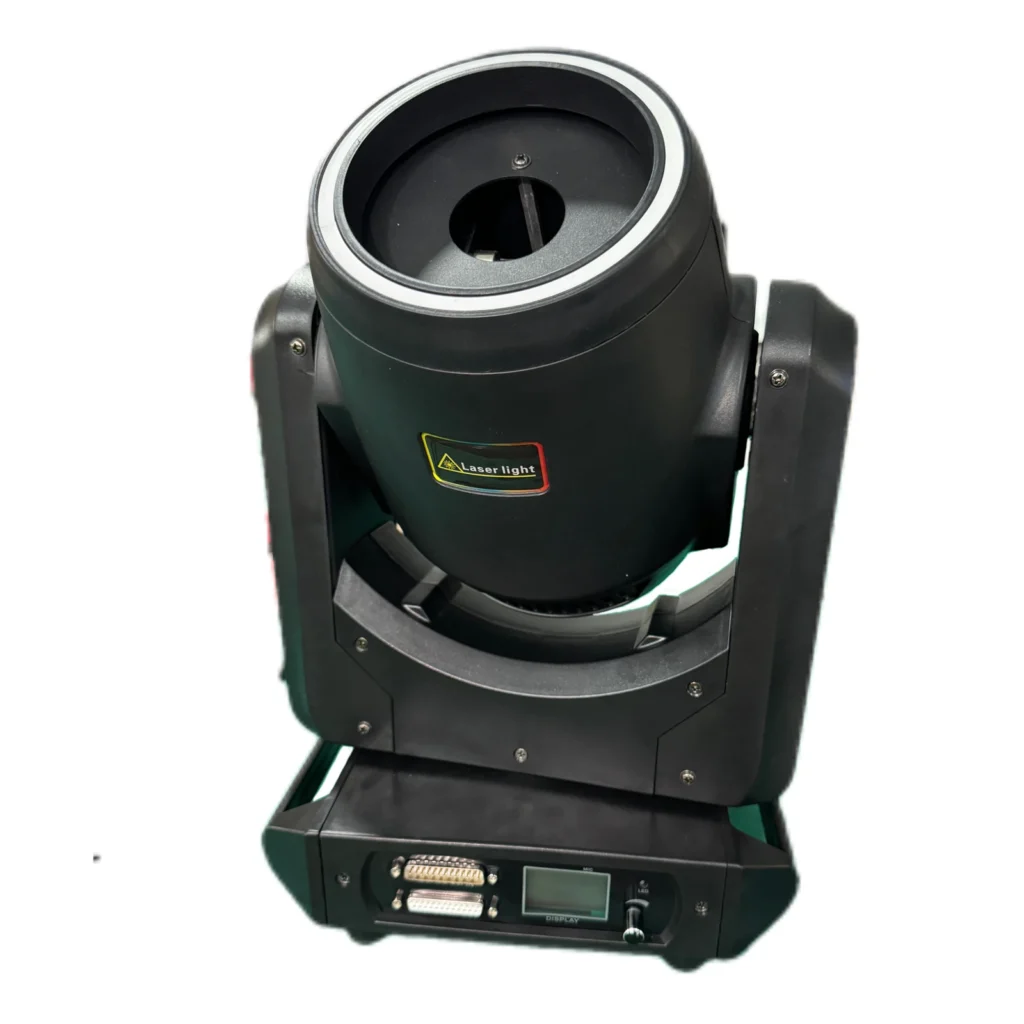
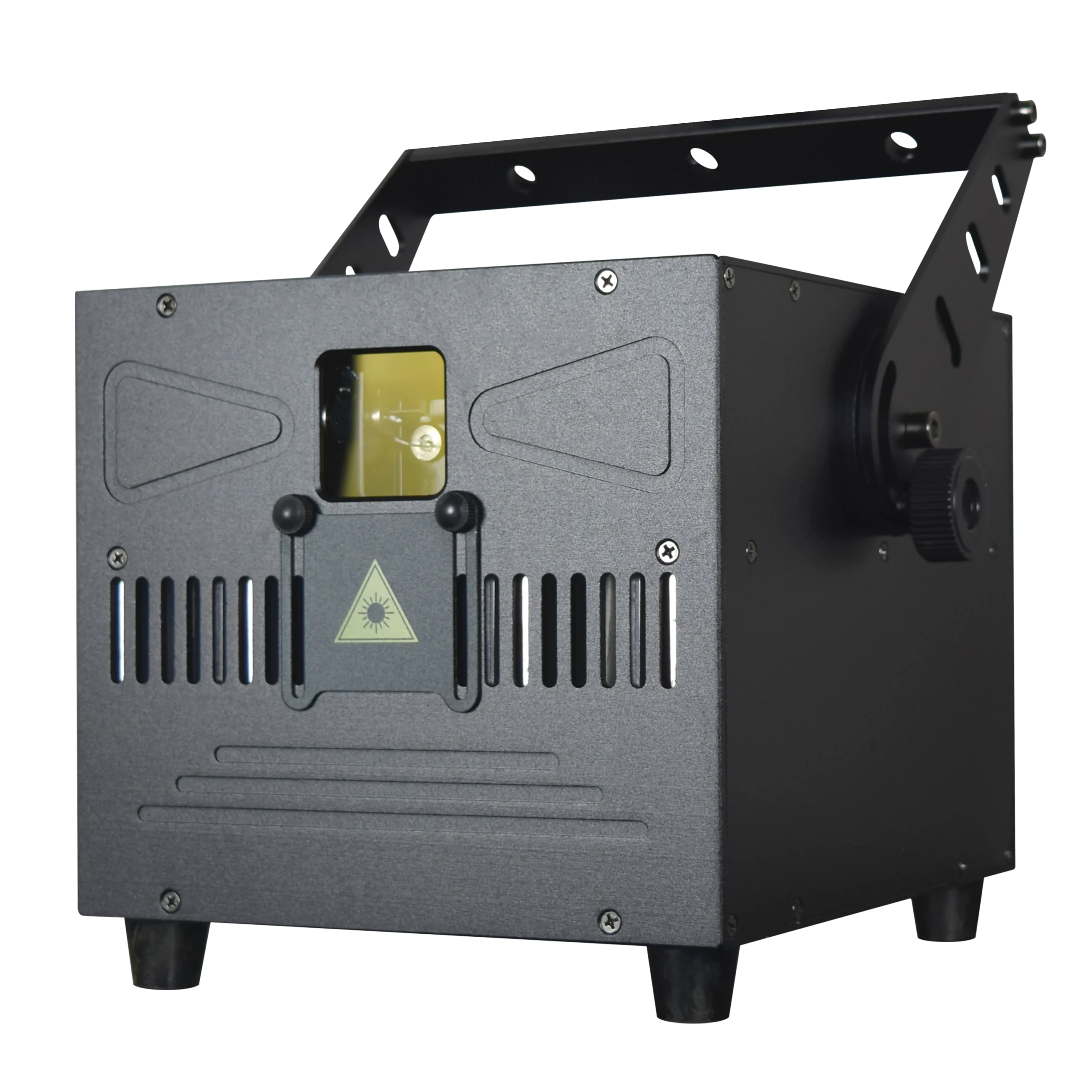
SHOW LASER · RG-768
3W / 5W RGB Moving Head Laser with LED Strip
RG-768 RGB moving head laser in 3W or 5W configurations with 78 RGB SMD strip LEDs, 23CH DMX512, 80W fixture power and Auto/Sound control.
- 3W or 5W RGB laser + 78 RGB three-in-one SMD LED strip beads

SHOW LASER · RG-769
5W / 10W RGB Moving Head Laser with Three-Ring LED Strip
RG-769 5W/10W RGB moving head laser with three LED rings, 256 patterns, 30Kpps scanning, 20/25CH DMX, ILDA and Art-Net; 300W fixture power.
- 5W or 10W RGB laser + three-layer color-effect LED strip
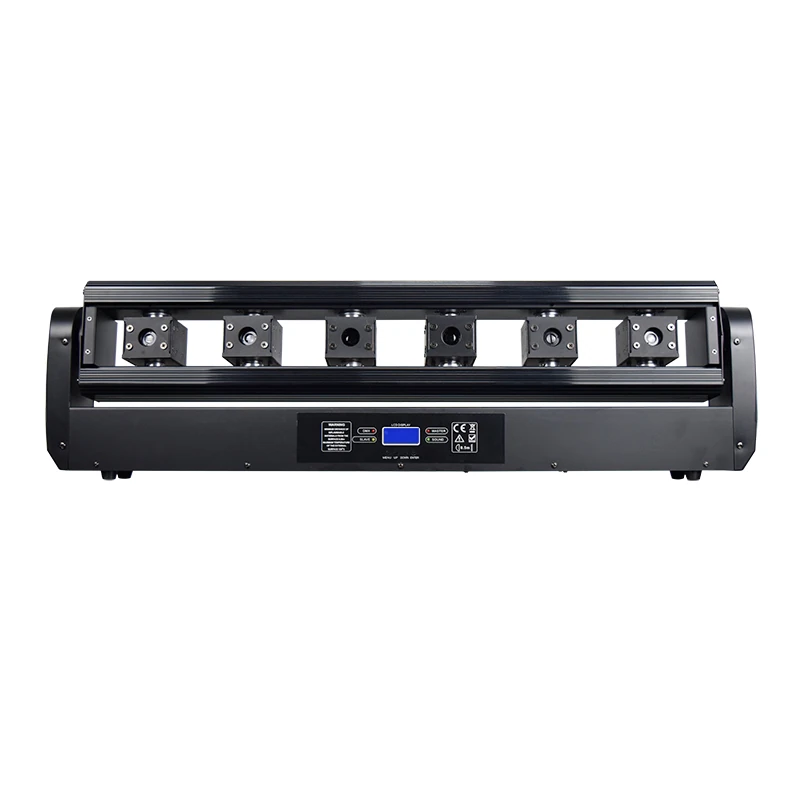
SHOW LASER · RG-762
Six-Eye Rotating Red Laser Bar
Six-eye red laser bar with six solid-state laser tubes and 270° rotation. The 100W fixture supports 6CH or 14CH DMX profiles, linked Master-Slave playback…
- 6 solid-state red laser heads; 500mW output per head
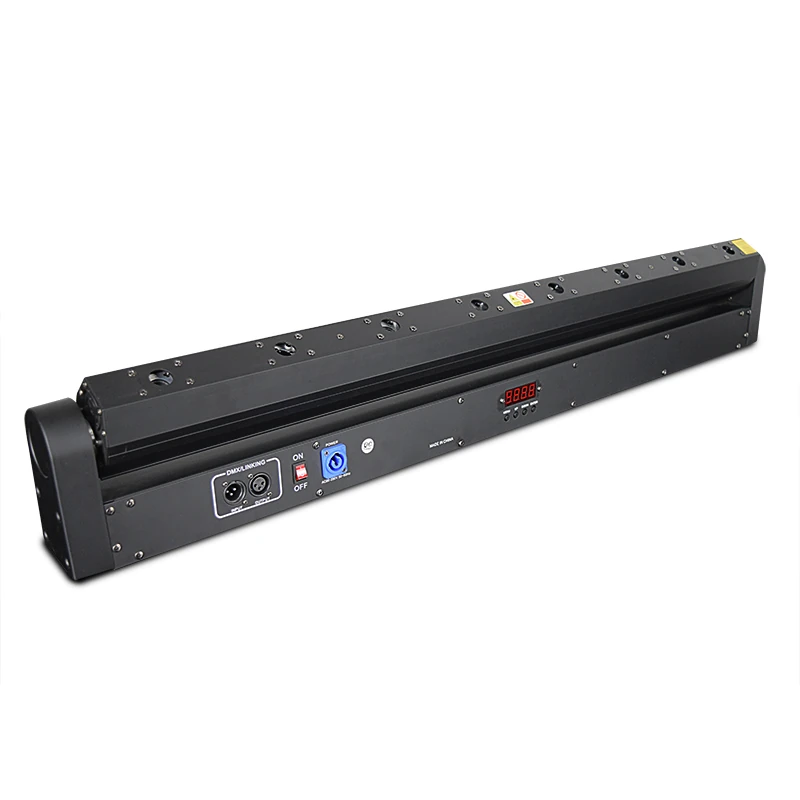
SHOW LASER · RG-759A
Eight-Eye Rotating Red Laser Bar
Eight-eye red laser bar with eight solid-state laser tubes and 270° rotation. The 100W fixture offers 6CH or 14CH DMX profiles and Master-Slave, Auto…
- 8 solid-state red laser heads; 500mW output per head
SHOW LASER · RG-759B
Upgraded Eight-Eye Rotating Laser Bar
Upgraded eight-eye laser bar with eight solid-state laser tubes, 270° rotation and eight built-in automatic programs for slow and fast flowing beam effects. The…
- 8 solid-state laser heads; 500mW per head for single-color configurations; 500mW combined RGB output per head for full-color configuration
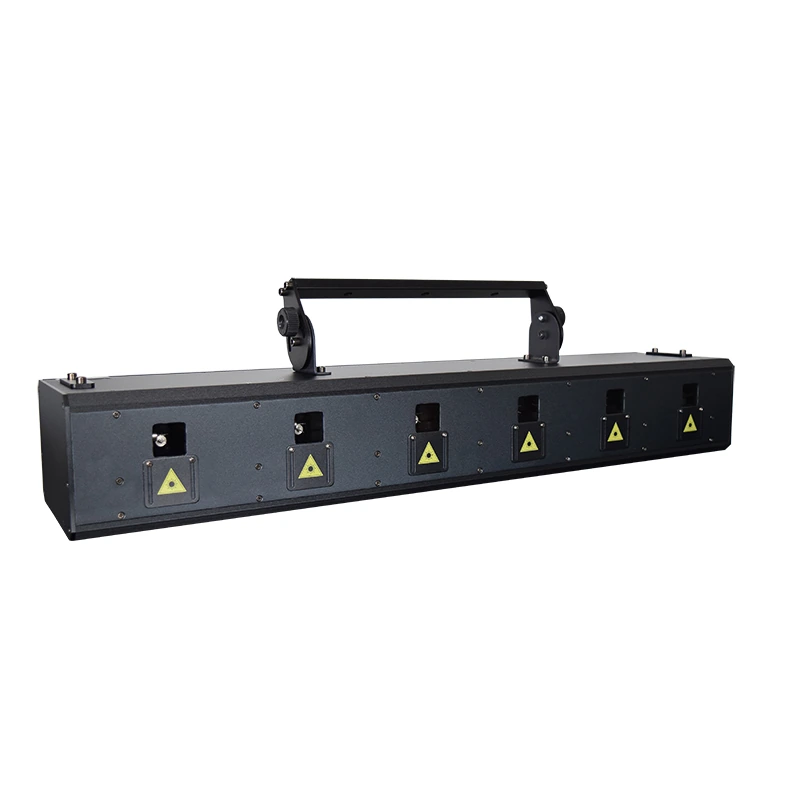
SHOW LASER · RG-297
Six-Eye RGB Laser Bar, 6×2W with 30Kpps Scanners
RG-297 six-eye RGB laser bar with six 2W modules, 6×30Kpps scanners, DMX512, 0–60° X/Y scanning, 600W rated power and indoor fan cooling.
- 6 × 2W RGB color laser modules
APPLICATION BOUNDARIES
Suitability depends on site control, not only visual impact.
These concept scenes illustrate planning contexts. The buyer remains responsible for local permissions, installation and competent operation.
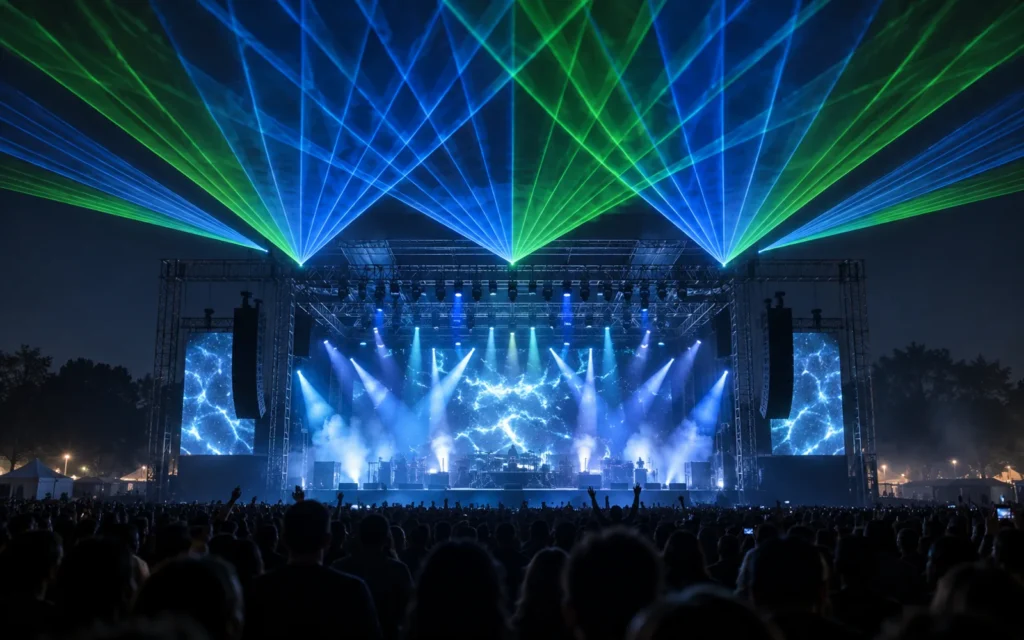
Concerts and touring
Plan protected zones, rig positions, haze, control and repeatable setup.
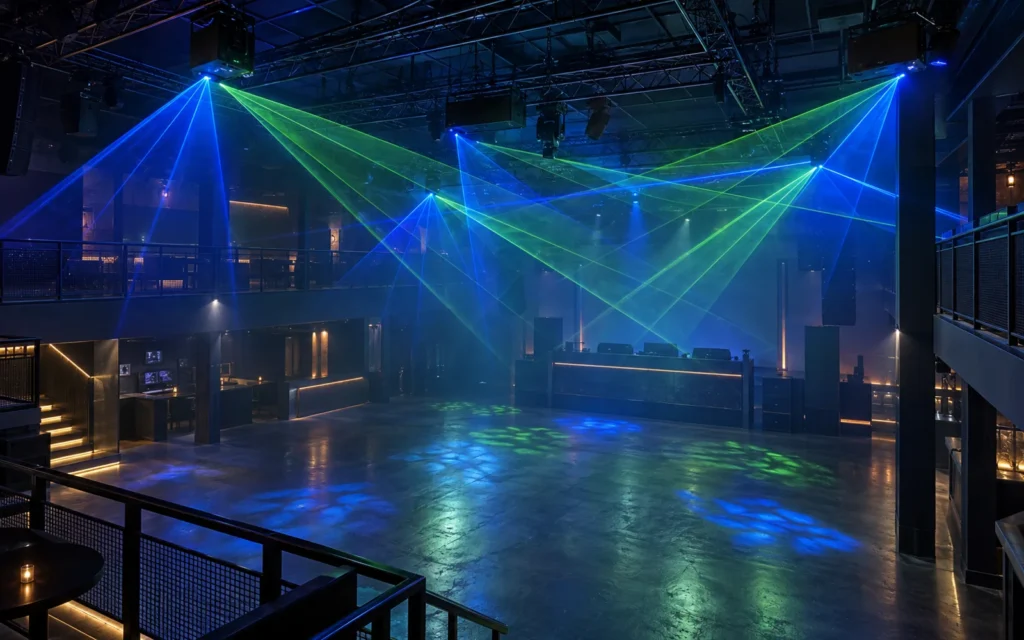
Clubs and fixed venues
Plan permanent geometry, reflections, access control and operating procedures.
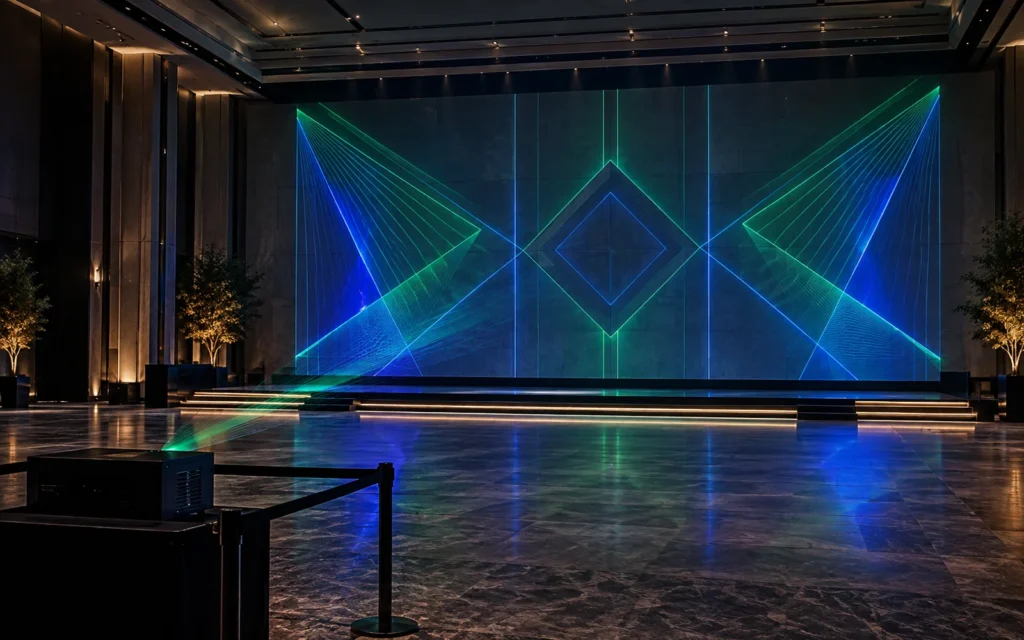
Projection and branded events
Plan content, surfaces, alignment, sightlines and backup workflow.
LASER PROJECT BRIEF
Provide the controlled operating context first.
A product recommendation cannot replace a site-specific safety assessment.
Venue geometry
Dimensions, positions, surfaces, audience zones and viewing directions.
Effect content
Aerials, graphics, text, colors, scale and synchronization.
Operation
Controller, operator, emergency workflow and local requirements.
Order scope
Quantity, mounting, power, connectors, accessories and destination.
BUYER FAQ
Resolve category-level decisions before comparing quotations.
Model-specific claims still need to be checked on the exact product and ordered sample.
What is a professional show laser used for?
It creates scanned aerial effects or projected graphics under controlled operating conditions. It should be selected as a projection system with defined zones, control and safety responsibilities.
Can a laser be selected by wattage alone?
No. Effect type, wavelength mix, scan system, projection distance, control, venue geometry and local requirements all affect suitability.
What is the difference between aerial and graphic laser effects?
Aerial effects are viewed in the atmosphere, usually with haze, while graphics are projected onto a surface. They require different geometry, content and focus planning.
Can lasers scan over an audience?
Audience exposure is a regulated and safety-critical matter. Requirements vary by location and event; obtain competent local assessment and approvals before operation.
What should be tested before ordering?
Test the exact sample for the intended effects, geometry, focus, scan behavior, control, emergency workflow and quoted accessories in a controlled environment.
What information is needed for a laser quotation?
Provide venue geometry, audience and protected zones, effect type, projection distance, control method, local requirements, quantity, power, mounting and destination.
Need a different stage-lighting system?
Explore Stage LightingBUYING DECISIONS
Which stage laser architecture fits the cue?
Specify whether the job is a multi-beam bar, a moving-head beam effect or scanned graphics. Our current laser range includes effect bars and moving-head formats; the word RGB alone does not confirm a graphics projector.
01ORDER CHECK
Multi-beam bar or moving head?
Use the current red/RGB laser-bar range to shortlist repeated beam effects, and compare moving-head laser products when changing direction is part of the cue. LED rings/strips are separate visual layers. Select the actual source arrangement and movement the show needs.
Review a multi-eye RGB bar02ORDER CHECK
Do you need readable graphics?
If the job is logos or scanned animation, request documented scanner, content-input and compatible software details for a suitable system. Do not purchase an effect bar on the assumption that DMX or RGB implies those functions. For surface gobo projection, compare a lighting spot as a different architecture.
Compare surface pattern projection03ORDER CHECK
Confirm the installation and operator
Provide country, venue, audience relationship, beam paths, positions and the responsible operator. Ask for exact product documentation and applicable project requirements before installation. No blanket audience-scanning, eye-safety or regulatory approval is implied by this category or by source wattage.
Send the laser project requirementsSTART YOUR PROJECT
Let’s Talk About
Your Project.
Tell us who you are, what products you need and your expected order size. Our team will review your requirements and recommend the right next step.