PROFILE & SPOT MOVING HEADS
Profile & Spot Moving Head Lights for Precise Stage Control
Choose by the optical job: frame a controlled area, project a defined pattern or move focused light between repeatable positions.
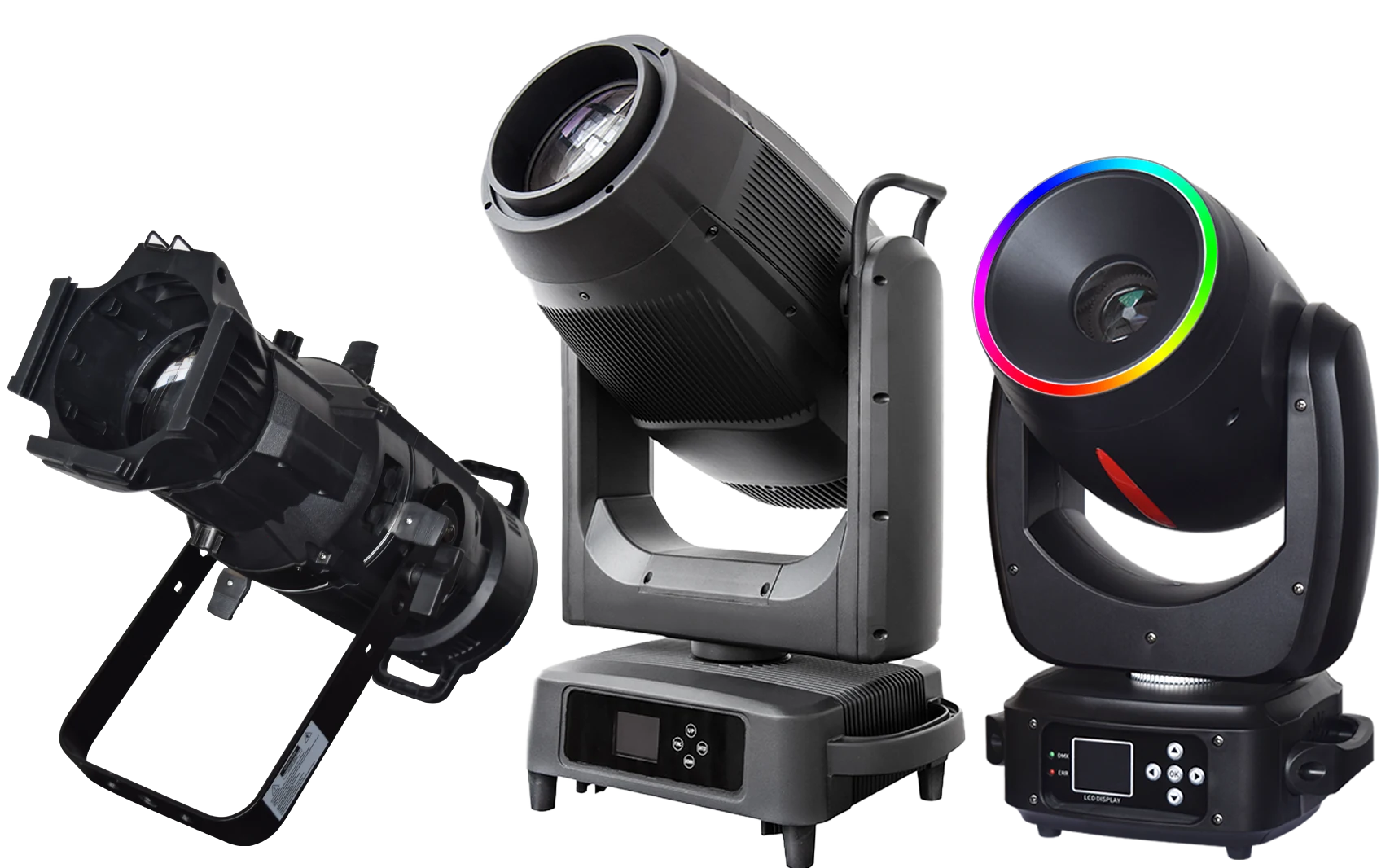
START WITH THE LIGHTING TASK
Profile, spot, fixed profile and wash are not interchangeable.
The right starting point depends on whether the project needs a shaped boundary, a projected pattern, a fixed key-light position or broad coverage.
Shape a precise acting area or scenic zone
Framing shutters, focus, zoom, edge quality and repeatable position
Project gobos and textured movement
Gobo wheels, rotation, focus, prism or frost and movement control
Hold a quiet fixed key-light position
Beam shaping, white quality, lens choice, noise and installation access
Cover a broad area with soft color
Coverage, zoom, color mixing, overlap and uniformity
PROFILE & SPOT PRODUCT RANGE
Compare models by the optical task they must perform.
Use the full model page to review documented framing, gobos, focus, zoom, color and control details before requesting a quotation.
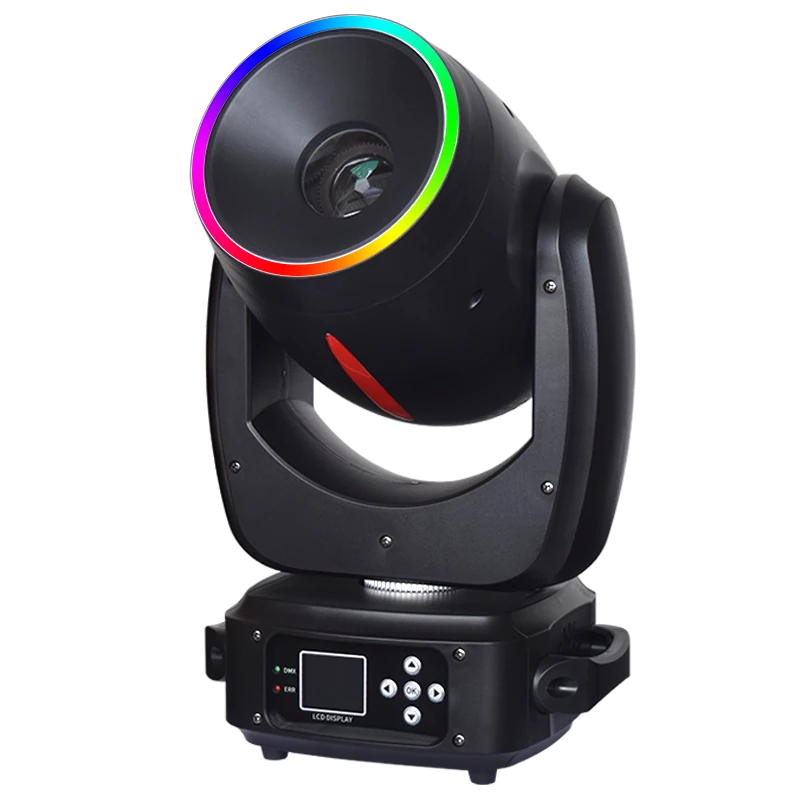
PROFILE / SPOT · RG-332
200W LED Spot Moving Head Light
LED spot moving head in the 200W LED Spot series, using a 180W white LED. Fixed and rotating gobo wheels, a 13-color wheel plus…
- 180W white LED
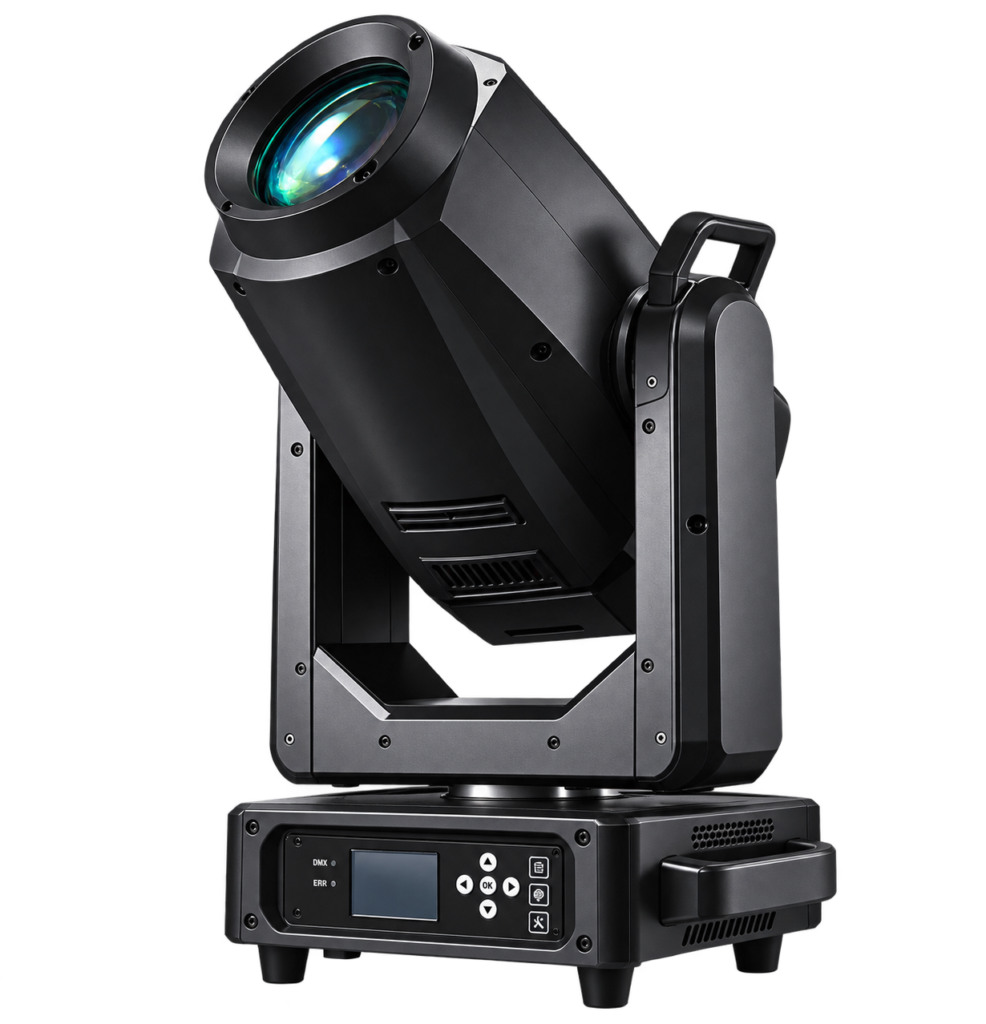
PROFILE / SPOT · RG-800
LED Profile Moving Head Light – 500W to 1200W
LED profile moving head light with 500W–1200W source options. Explore the 1000W framing, CMY/CTO and zoom specifications and request a configuration-specific quote.
- 500W / 600W / 800W / 1000W / 1200W LED module options; detailed data: 1000W version
- 1000W configuration: 5.5°–60° linear
- 1000W configuration: IP20
OPTICAL BOUNDARIES
Do not treat every focused moving light as the same tool.
Shape the illuminated area
Verify the actual framing system, shutter travel, rotation, focus and edge behavior.
Project patterns and texture
Compare fixed and rotating gobos, focus, iris, prism or frost only where the model documents them.
Hold a controlled position
Use when movement is unnecessary and stable key light, lens choice, noise or installation access matters more.
SAMPLE ACCEPTANCE LAB
Ask for evidence that proves the optical task—not only the fixture housing.
Evaluate framing travel, edge quality, focus, pattern definition, zoom, color and fades on the exact ordered sample.
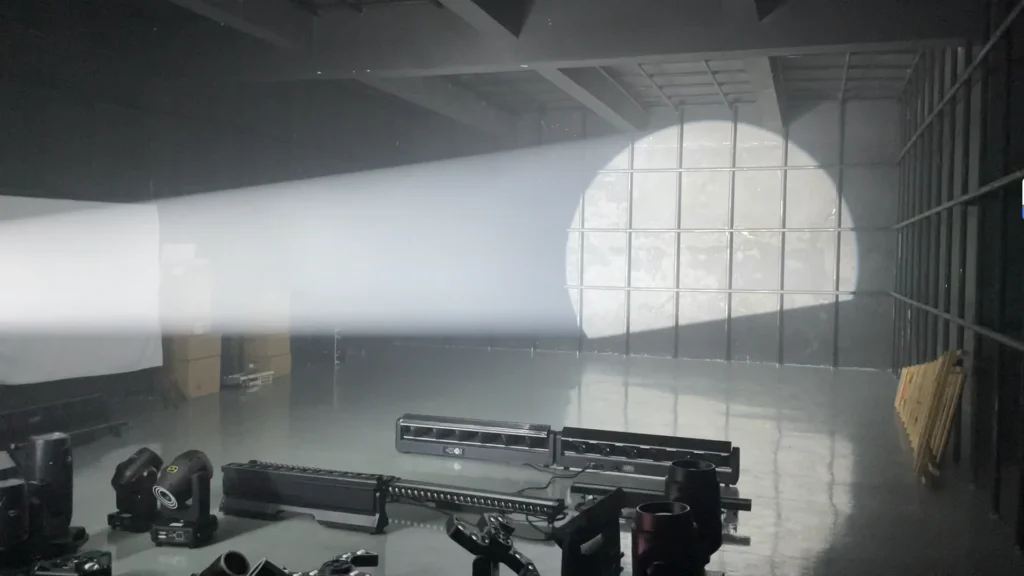
Framing & Edge Test
Show shutter travel, rotation, edge sharpness and a shaped area at a documented position.
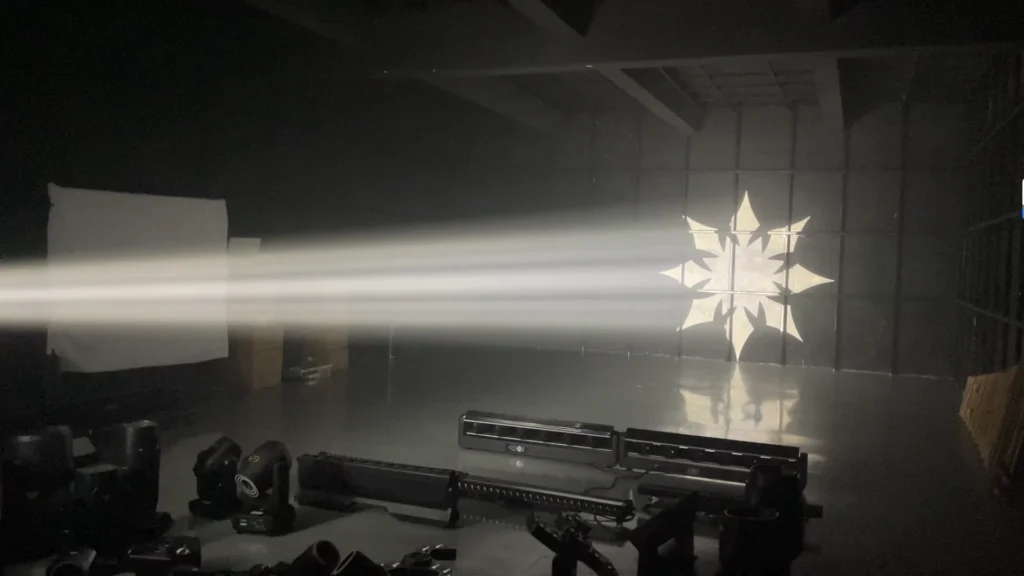
Gobo & Focus Test
Show a real projected pattern at useful scale, including focus quality and rotation where available.
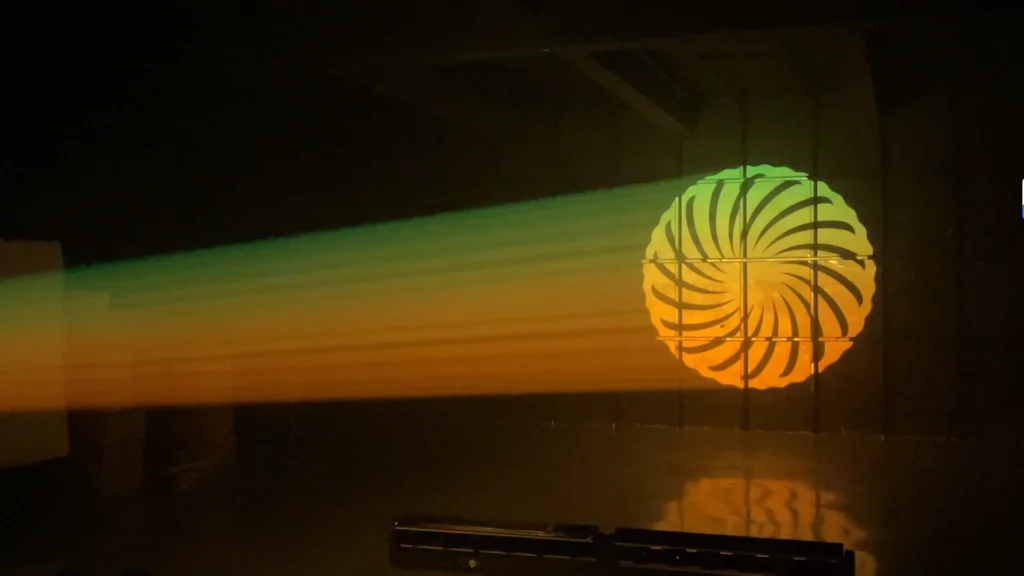
Color, Zoom & Fade Test
Show verified color or white-light behavior, zoom range and dimming transitions from the actual sample.
APPLICATION FIT
The same fixture can be judged differently by the venue workflow.
Throw, sightlines, camera use, noise, access, transport and programming determine whether the optical features are practical.
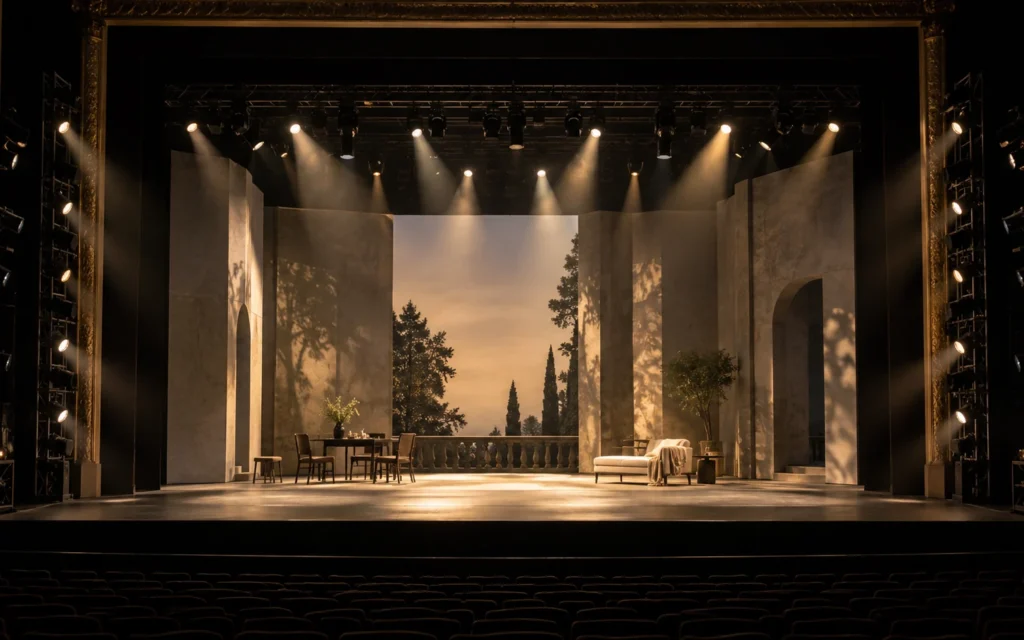
Theatre & Performing Arts
Separate face light, acting areas, scenery and pattern projection, then check noise and access from real positions.
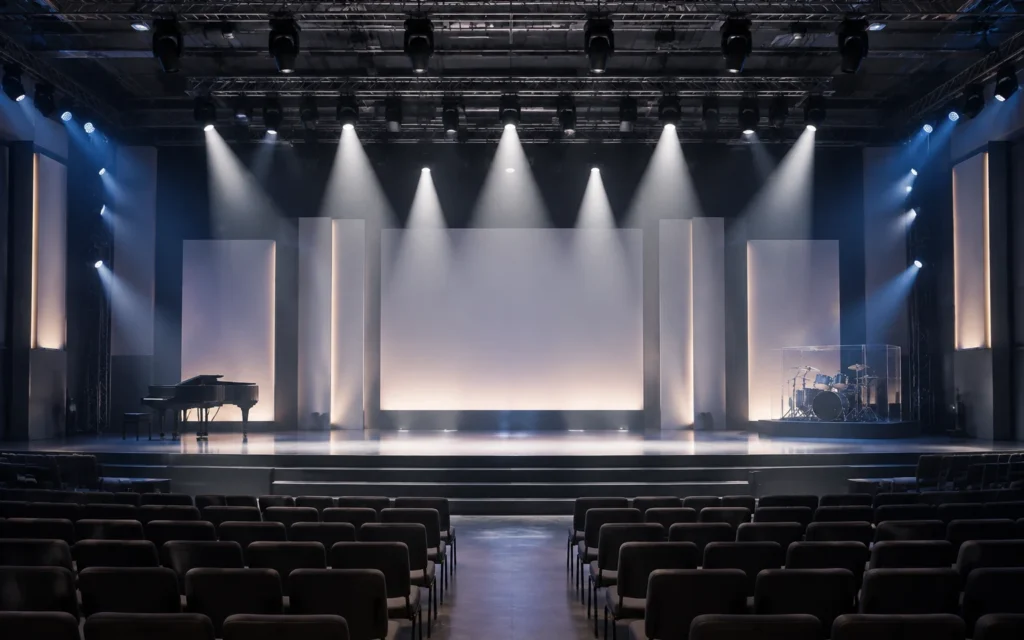
Studios, Conferences & Houses of Worship
Prioritize controlled framing, camera tests, white-light quality, smooth fades and predictable presets.
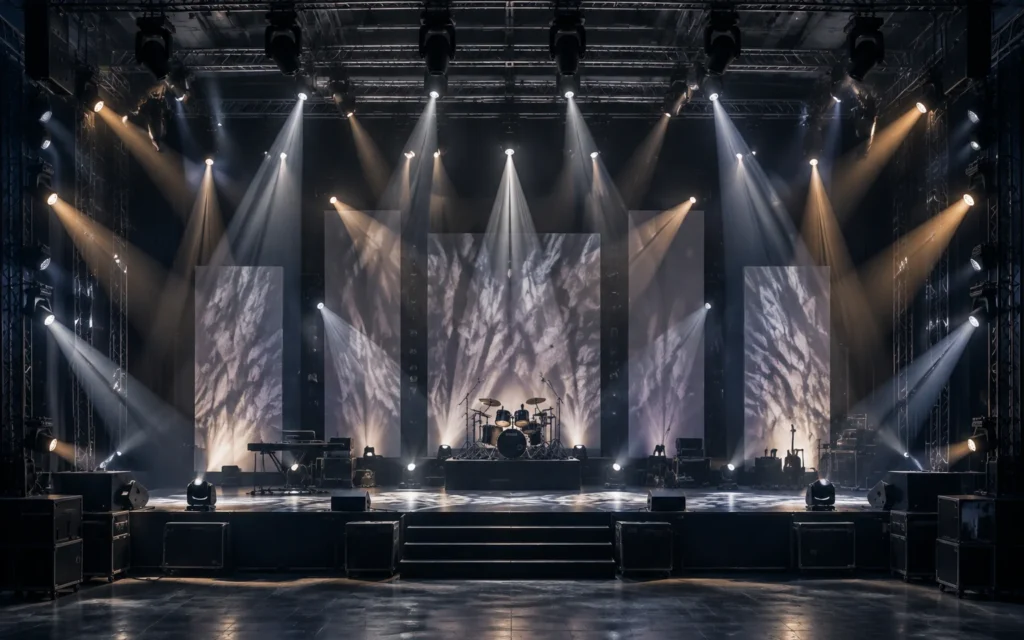
Rental & Touring Productions
Balance optical flexibility with movement, transport, setup, fixture profiles, spares and repeatable sample approval.
BUILD A USEFUL RFQ
Send the optical task before asking for a model.
A clear brief makes profile and spot recommendations easier to compare and test.
Geometry
Venue, positions, throw distances, target sizes and sightlines.
Optical Job
Framing, gobos, focus, zoom, color, white light and movement.
Operation
Console, DMX modes, fixture profiles, cameras, noise and access.
Order Scope
Quantity, voltage, plug, environment, cases, spares and destination.
PROFILE & SPOT FAQ
Resolve the optical role before comparing model specifications.
These answers separate category-level decisions from claims that must be verified on the ordered product.
What is a moving head spotlight and when should it be used?
A moving head spotlight is an automated fixture for focused projection, gobos and controlled movement. Use it when a project needs defined patterns or positions; choose a framing profile when the beam boundary itself must be shaped precisely.
What is the difference between a moving head profile and a moving head spot?
A profile model adds a framing system for shaping the beam into controlled areas. A spot model normally prioritizes focused gobos and pattern projection. Exact optics, wheels and shaping functions remain model-specific.
Can a spot moving head replace a profile fixture?
Only when the project does not require true shutter framing. Focused gobos, iris or frost do not provide the same boundary control as a verified framing system.
Can a spot or profile moving head replace a wash light?
Not automatically. Frost can soften a beam, but a dedicated wash is selected for broad, even coverage and color blending. Compare the real field, zoom and overlap rather than one effect feature.
Which specifications matter most for theatre and camera use?
Check the optical task first, then focus and zoom, framing or gobo behavior, white and color quality, dimming, noise, camera response, movement repeatability, control modes and installation conditions.
How should framing and gobo quality be tested?
Project the actual sample at a representative distance. Check edge sharpness, shutter travel, focus across the field, pattern definition, rotation, zoom positions, repeatability and any unwanted distortion.
What should rental buyers confirm before a batch order?
Confirm the ordered sample, channel modes, fixture profile, movement, blackout behavior, optical consistency, setup time, rigging, cases, accessories, spare parts and batch acceptance records.
What information is needed for a quotation?
Share the venue and lighting task, throw distance, positions, required framing or gobos, zoom needs, camera use, indoor or outdoor conditions, control workflow, quantity, voltage, plug, destination and packing requirements.
BUYING DECISIONS
Should you buy a spot or a framing profile?
Choose a spot for focused patterns and a verified framing profile when the boundary must be shaped. A gobo, iris or softened beam is not a substitute for the required shutter-framing behavior.
01ORDER CHECK
Shortlist by the optical job
Our current selection separates the RG-332 Spot from RG-800 Profile. For logos and textured movement, compare gobo and focus behavior; for a controlled acting area, request the actual framing operation. Product names do not establish the same optical functions across both models.
Define the projection requirement02ORDER CHECK
Approve the working position
Send throw, target width and height, mounting angle and required edge. Test at that geometry through the needed zoom/focus range. Include camera and noise conditions for conferences or theatre; a close-up product video cannot replace the intended position test.
Estimate the required field geometry03ORDER CHECK
Specify the projection package
State whether standard gobos or a custom pattern are required, and ask for supported pattern/holder details before supplying artwork. Include the exact optical configuration, mode/profile, accessories and spare parts in the quote; keep dedicated wash coverage as a separate job where needed.
Compare dedicated coverage fixturesSTART YOUR PROJECT
Let’s Talk About
Your Project.
Tell us who you are, what products you need and your expected order size. Our team will review your requirements and recommend the right next step.