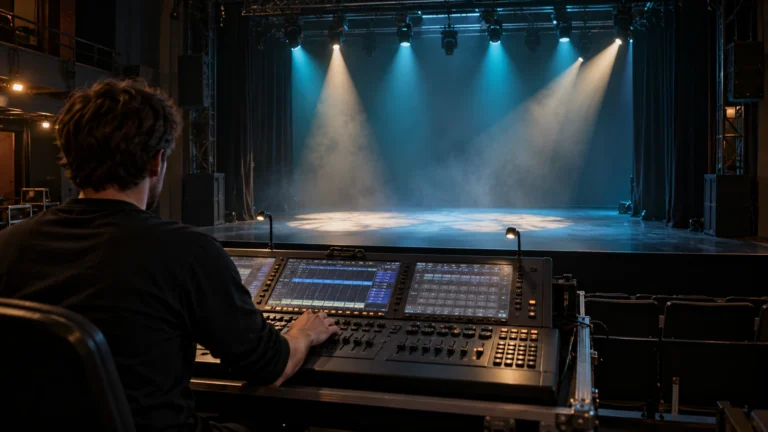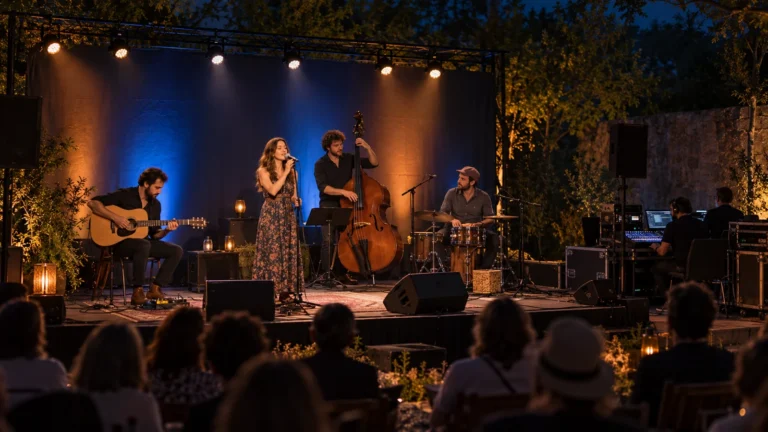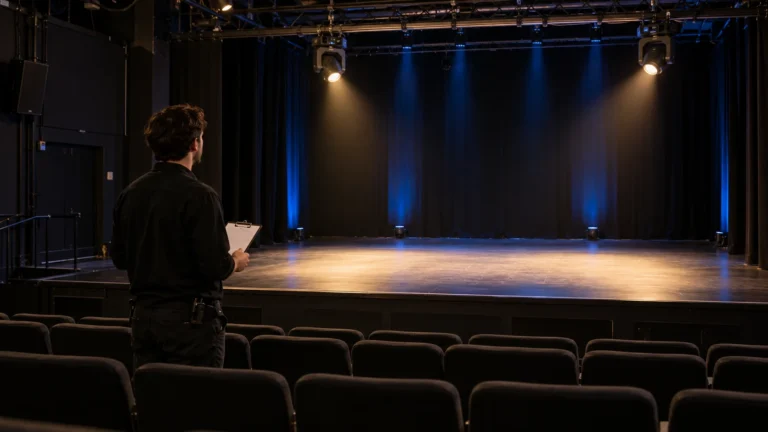
Church stage lighting should combine clear front light for speakers and singers, even LED wash for the platform, controlled background light, and optional moving effects for music or special events. A practical system also needs simple DMX presets, low-noise fixtures near microphones, and camera-tested dimming for livestreaming. The correct fixture quantity depends on stage width, mounting height, throw distance, beam angle, and video requirements.
For a project buyer, distributor, or AV integrator, that means separating the system into jobs: white light for people, color wash for the stage environment, and effect lighting for selected moments. This approach makes specifications easier to compare and prevents an installation from relying on one fixture type for every task.
This guide explains how to build a practical church stage lighting setup, which fixture families fit each role, and what buyers should confirm before requesting a quotation.
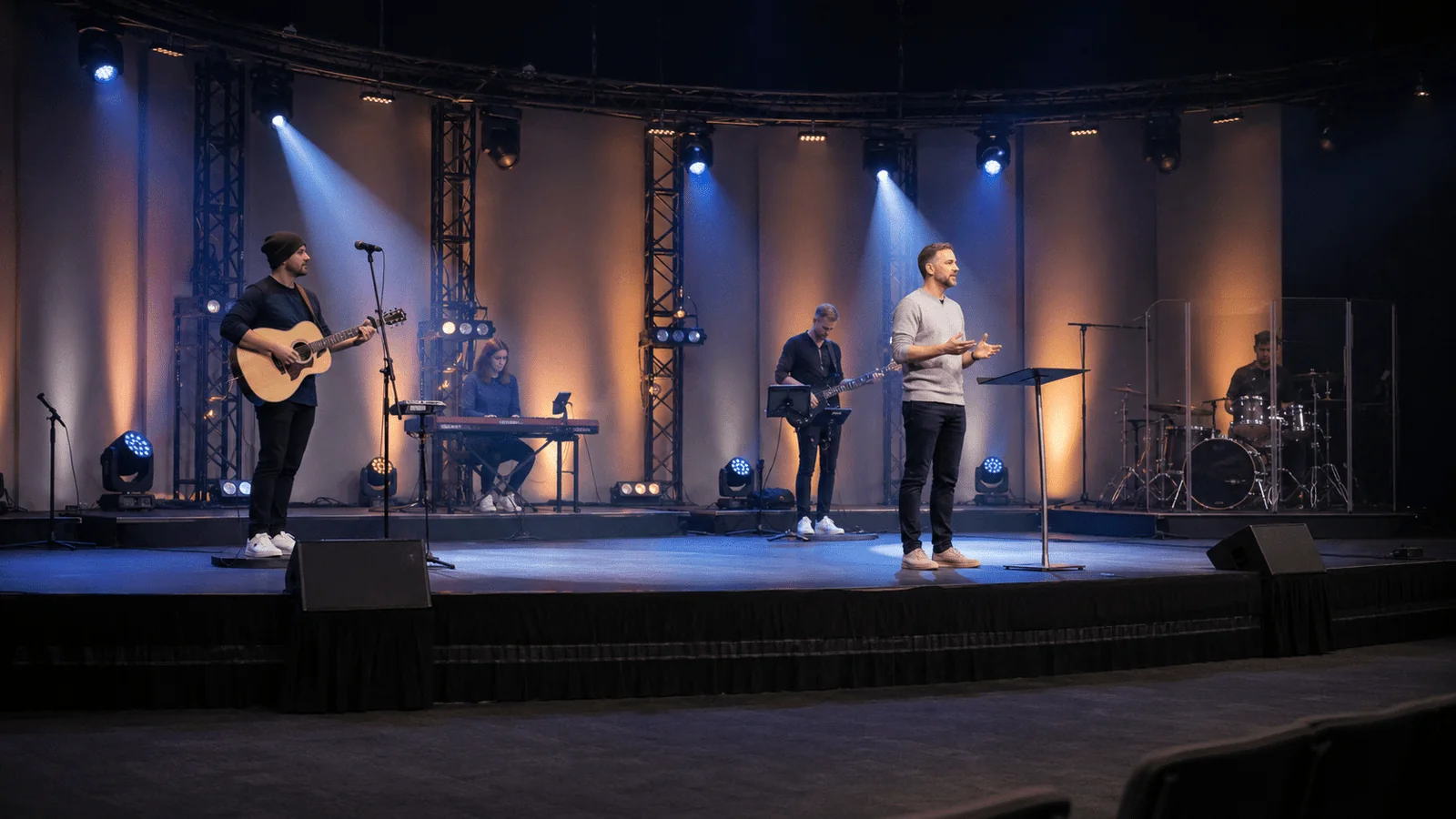
Start With Four Lighting Jobs
1. Make faces clear
Pastors, vocalists, musicians, and speakers need controlled front or key light. White or adjustable-white fixtures are easier to balance for natural skin tones than saturated RGB effects. Positioning also matters: steep overhead light can create dark eye sockets, while very low front light can look flat and cause glare.
2. Give the stage an even color wash
LED PAR fixtures can provide background color, architectural accents, and broad stage coverage. An even wash usually looks more professional than a few intense patches. Buyers should compare beam angle, throw distance, mounting height, stage width, and fixture spacing before deciding quantity.
3. Create movement only when appropriate
Moving heads can add visual energy to music, youth events, holiday programs, and concerts. They should complement the service instead of remaining active throughout it. A small number of carefully programmed fixtures is often more useful than a larger quantity with no clear control plan.
4. Support the camera image
Church stage lighting for video must be assessed through the camera, not only by eye. The project team should confirm dimming behavior, color consistency, refresh or flicker performance where specified, and exposure balance between faces and LED backgrounds. Camera model, frame rate, shutter settings, and existing display brightness also affect the result.
Seven Practical Church Stage Lighting Ideas
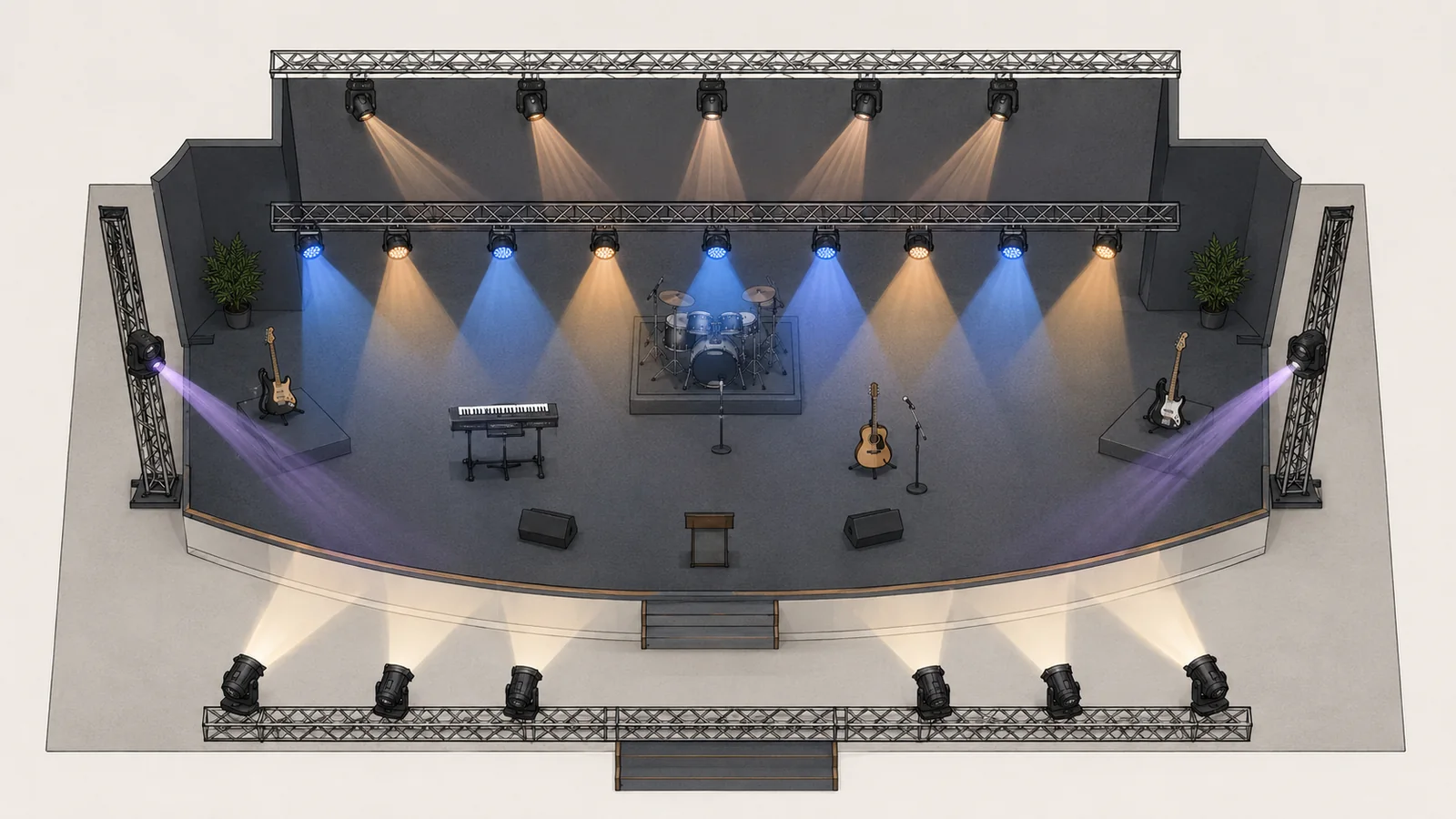
Build the system in layers
Use separate fixture groups for front light, stage wash, background or scenic light, and effects. Layering lets operators adjust one visual job without disrupting another. It also makes future expansion easier because each new fixture has a defined purpose.
Prioritize the platform before the room
If the budget is limited, illuminate speaking and performance positions first. A clear platform improves both the in-room experience and the livestream. Decorative wall or ceiling lighting can be added later without replacing the core system.
Use quiet fixtures near microphones and seating
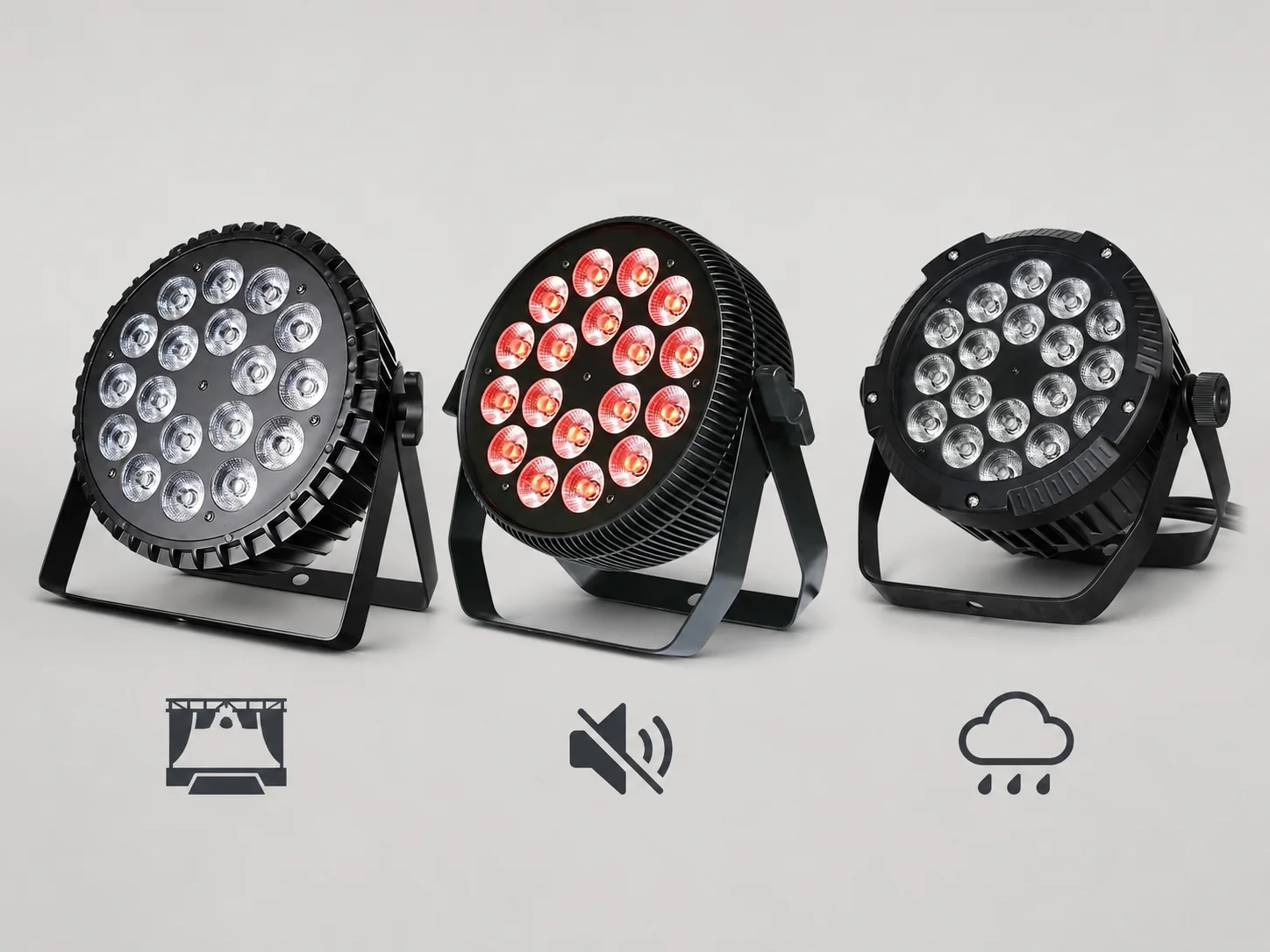
Fan noise can be noticeable in small sanctuaries, recording rooms, and quiet speaking segments. A mute LED PAR such as the Mute LED PAR Light can be considered for indoor wash positions where acoustic control matters. The project team should still confirm operating noise under the intended dimming and ambient-temperature conditions before ordering.
Separate white light from color effects
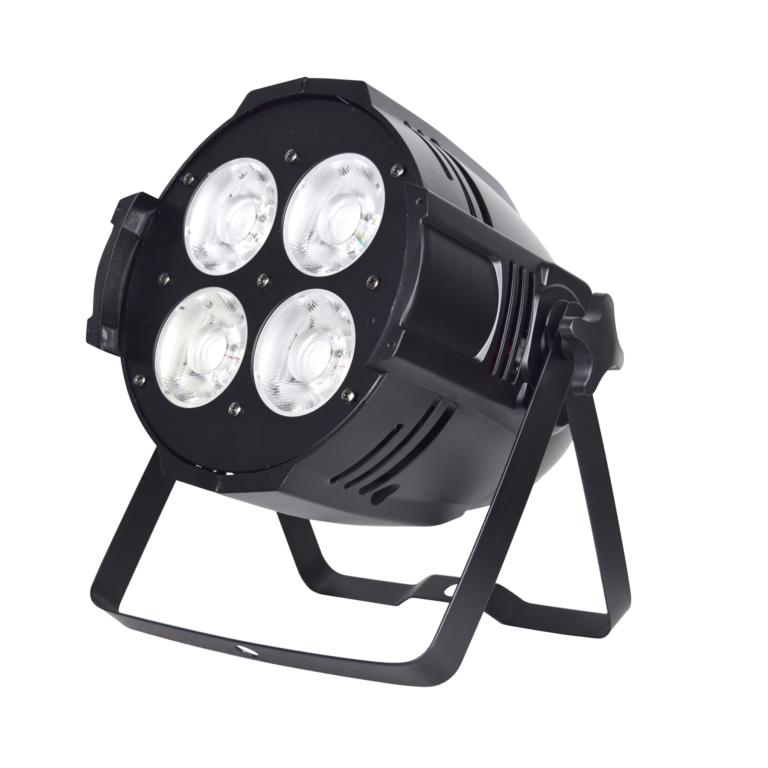
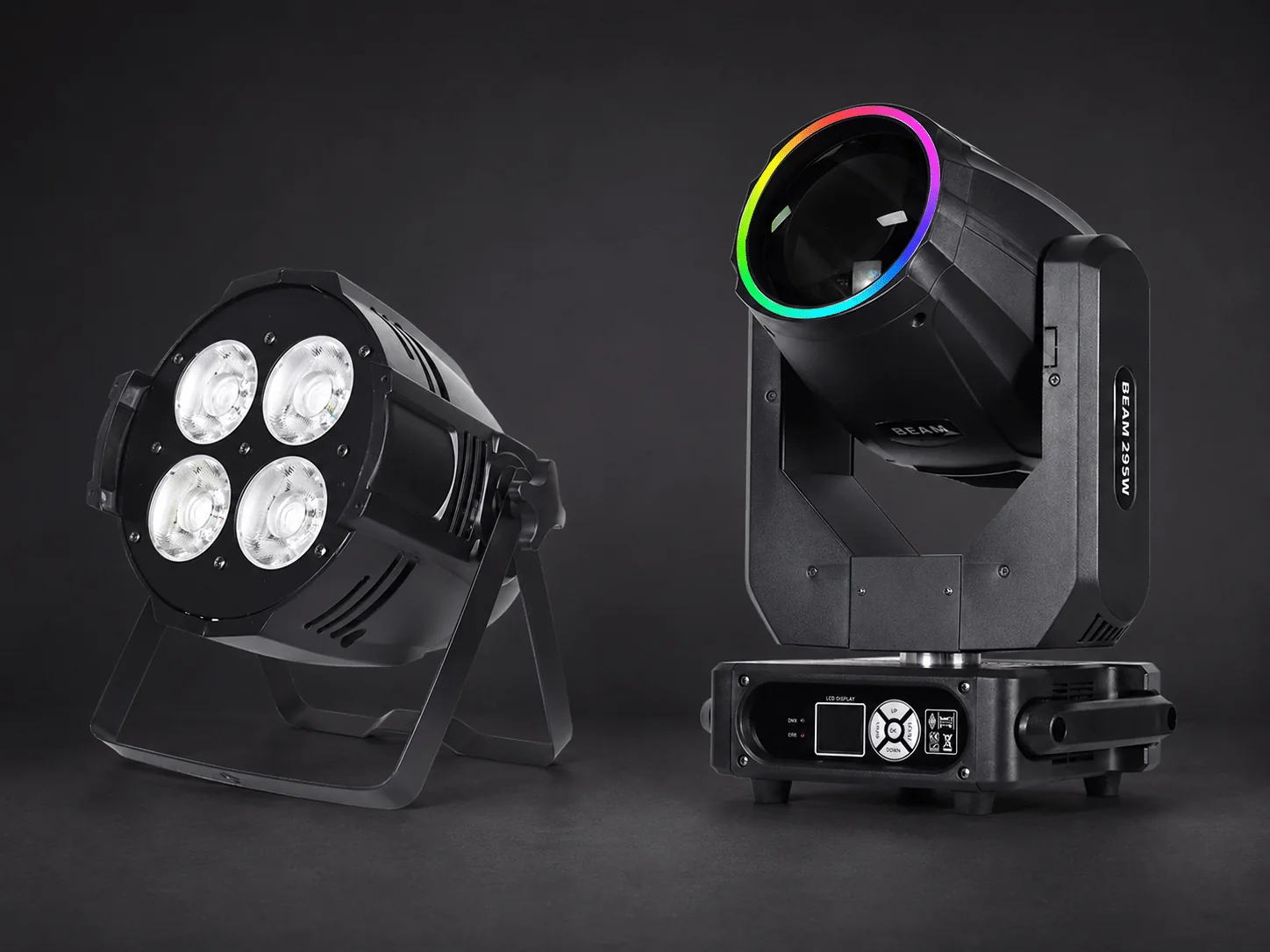
Trying to create key light and dramatic color from the same fixtures can limit both tasks. A focused white or warm-white COB fixture can cover selected speaking positions, while LED PAR lights handle color. The RG-450 reference, for example, is documented with a 200W fixture rating, white or warm-white COB sources, DMX512 control, and a 12-degree beam. Because its source configuration should be reconfirmed before production, buyers should place final optical requirements on the order specification.
Add movement with restrained programming
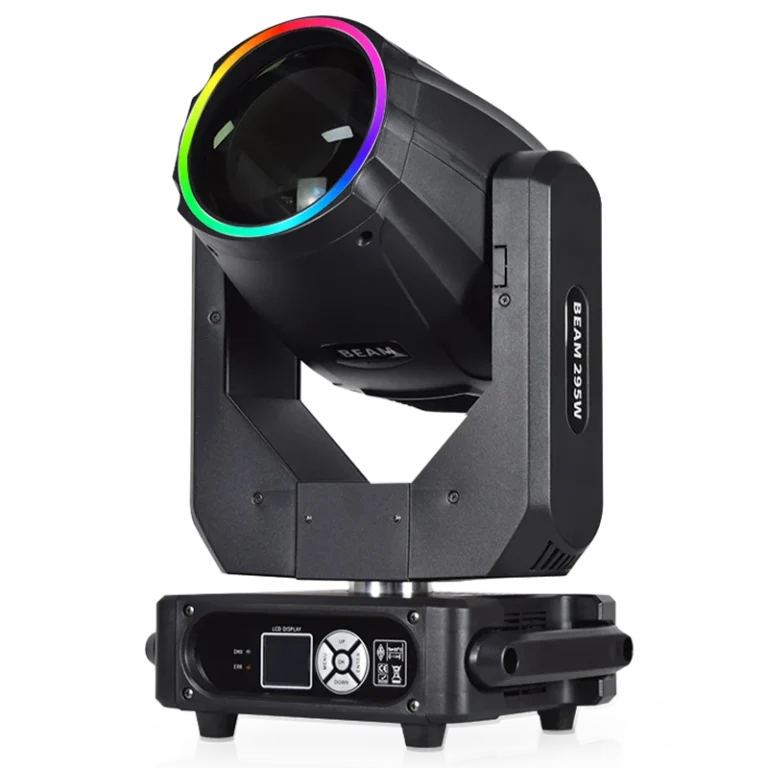
For music-focused services and special productions, moving heads can provide aerial beams, gobos, prisms, and position changes. The RG-119 reference offers 275W or 295W lamp options, DMX control, fixed patterns, colors, prisms, and pan/tilt movement. These features suit effect cues, but a narrow beam fixture is not a substitute for soft front light or broad wash coverage. Explore the Beam Moving Head Light range only after the essential white and wash layers are defined.
Plan presets for volunteers
A technically capable rig can still fail if every service requires complex live programming. Create a short set of repeatable scenes, such as speaking, worship, prayer, livestream, youth event, and blackout. Label console controls clearly and limit volunteer access to the parameters needed during normal services.
Design for maintenance access
Fixtures should be reachable for cleaning, inspection, addressing, and replacement without unsafe improvisation. Keep model lists, DMX addresses, channel modes, hanging positions, and spare-part requirements in the system documentation. For B2B procurement, consistent models across positions can simplify training and spares.
A Simple Church Stage Lighting Setup by Venue Size
There is no universal fixture count. Ceiling height, throw distance, stage width, camera use, lens choice, ambient light, beam angle, and desired illuminance all change the calculation. Use the following layouts as planning frameworks rather than fixed packages.
| Venue size | Planning starting point | Main priority | Suggested control |
| Small sanctuary or portable church | 4 front lights, 4–6 LED PAR wash lights, and 2 optional compact moving heads | Clear faces, even background color, fast setup | Simple DMX controller with saved scenes |
| Medium church with livestreaming | 6–8 front-light zones, 6–10 LED PAR wash or backlights, and 2–4 moving heads | Balanced camera exposure and separate stage zones | DMX controller or software with service presets |
| Large worship or multipurpose venue | Separate front, side, back, wash, and effect layers based on a lighting plan | Uniform coverage, flexible programming, and service access | Professional console with data distribution and backup planning |
These quantities are planning examples rather than fixed packages. Final fixture counts should be checked against stage width, mounting height, throw distance, beam angle, camera requirements, and the required lighting uniformity.
Small sanctuary or portable church
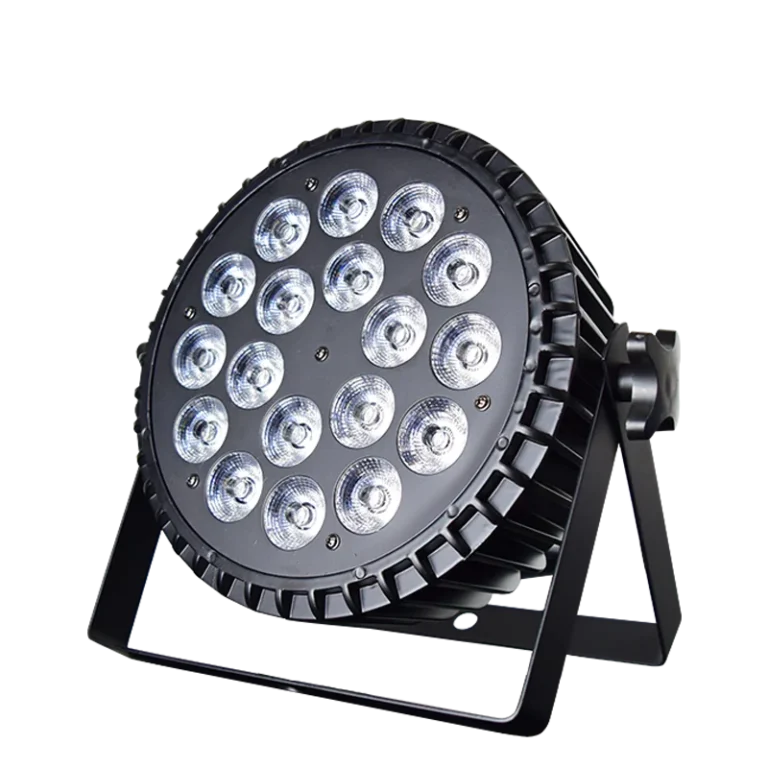
Begin with front light for the speaking and music positions, then add a separate backdrop wash. The RG-314 cast-aluminum flat PAR offers 14-, 18- and 54-position versions; current photographs identify the 18-position appearance. The detailed 14-LED configuration lists 4-in-1/5-in-1 source options. Specify the version and its channel chart instead of extending those source details to every version.
For portable systems, ask about brackets, flight cases, cable labeling, power distribution, setup time, and repeatable placement marks. Weight and packed dimensions can matter as much as output.
Medium church with livestreaming
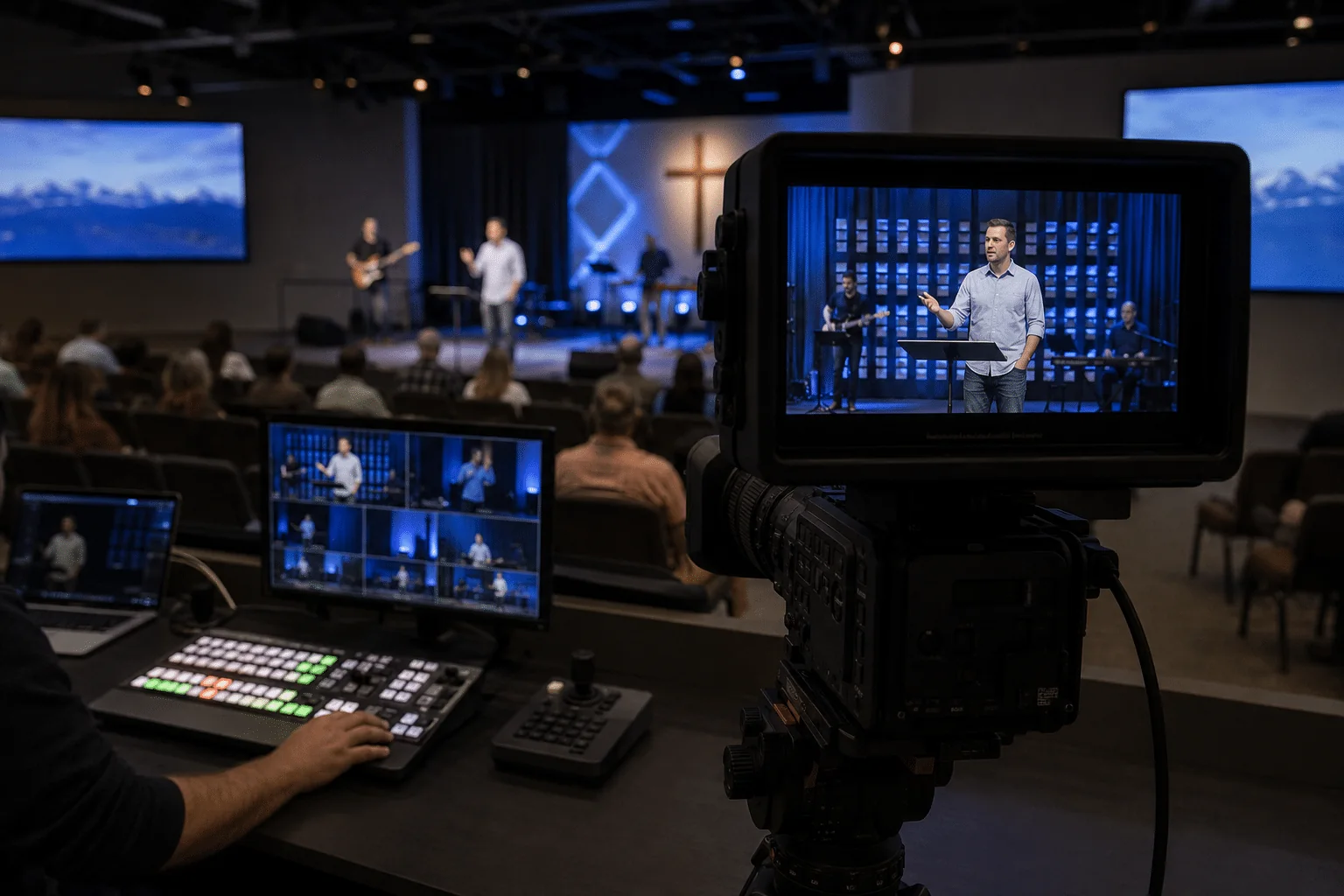
Use multiple front-light zones so the lectern, center vocal position, and musicians can be balanced separately. Add a consistent LED PAR wash across the scenic background and reserve moving fixtures for controlled effects. Test every programmed scene on the actual cameras and displays before final acceptance.
Large worship or multipurpose venue
Divide the stage into zones and specify front, side, back, wash, and effect layers independently. Large venues also need a more detailed approach to data distribution, power, rigging, redundancy, service access, and spare fixtures. If the room hosts conferences, concerts, or community events, the control plan should include event presets without compromising normal worship scenes.
How to Choose Church Stage Lighting Fixtures
Match the optical job
Ask whether each position needs a focused beam, a broad wash, soft face light, a gobo projection, or an audience effect. Product wattage alone does not answer this question. Request beam-angle data, photometric information where available, throw distance, color system, dimming performance, and intended mounting position.
Match protection to the environment
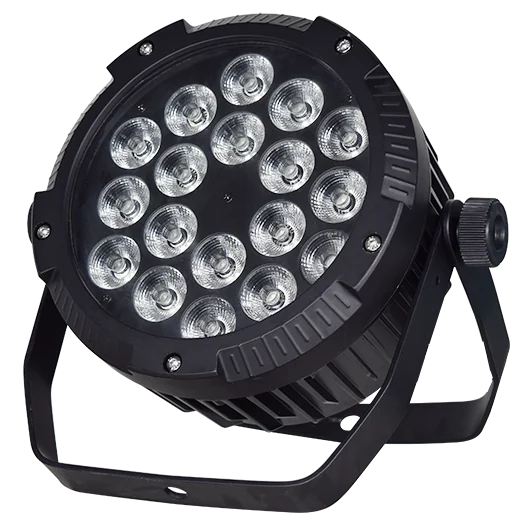
Keep indoor lighting and exposed outdoor equipment as separate purchase decisions. Compare the current LED PAR range by the exact model's published protection rating, then confirm connectors, mounting and site exposure. A similar PAR housing or a family name does not establish the rating of the supplied fixture.
Match control to the operator
DMX channel count affects programming detail and console workload. A larger mode may allow finer control, while a simpler mode can be easier for volunteers. Confirm whether the fixture supports the required DMX mode, addressing workflow, standalone operation, and master-slave behavior.
Match the purchase to long-term service
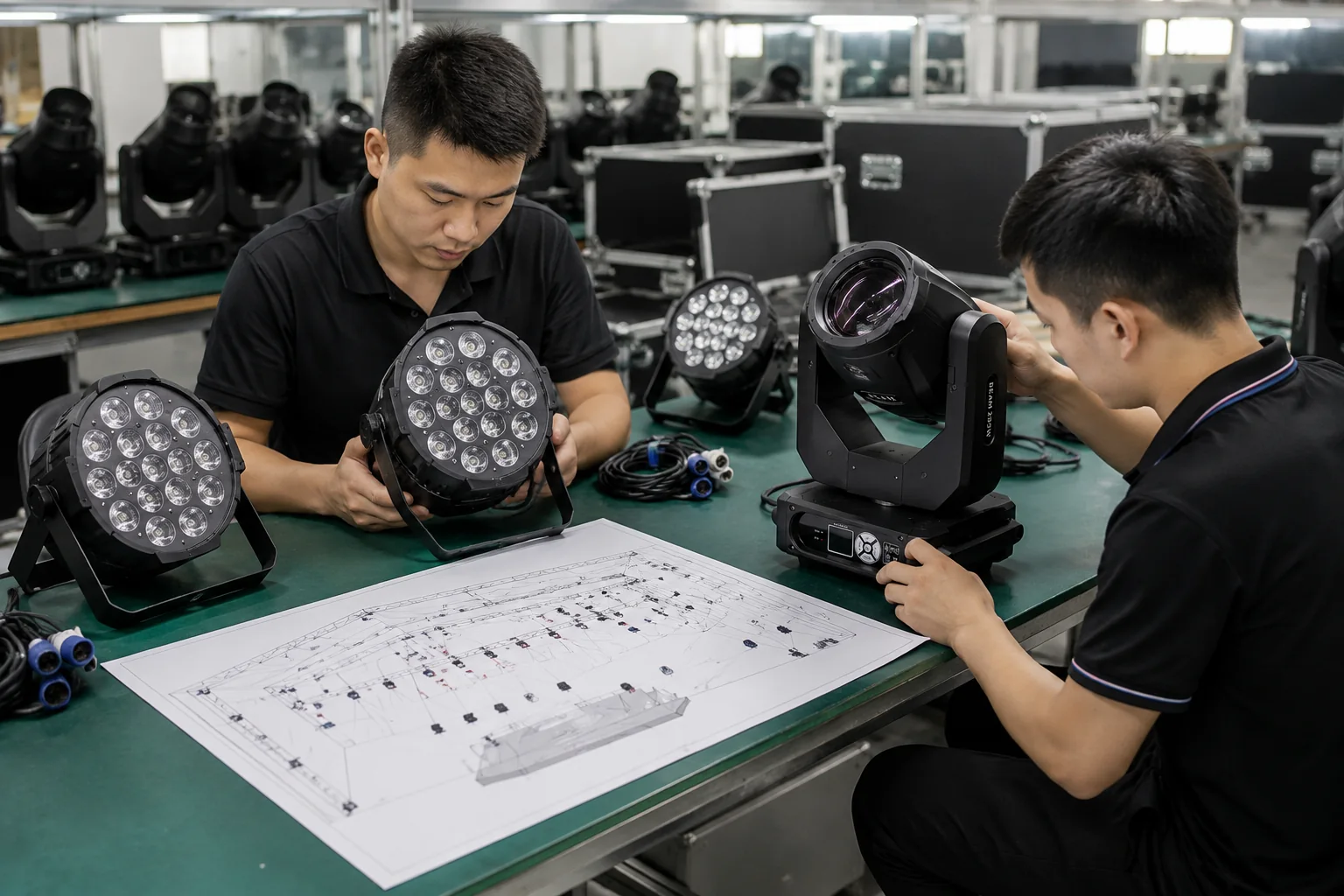
B2B buyers should request a consistent bill of materials, production sample approval, aging-test or QC information, spare-part recommendations, packaging details, and documentation. If fixtures will be reordered later, confirm how model revisions and component substitutions are communicated.
Recommended Product Mix for Church Projects
| Lighting role | Recommended fixture family | WUYESTAGE reference | Buyer check |
|---|---|---|---|
| Stage color wash | Flat or quiet LED PAR | RG-314 or RG-317 | Beam angle, color configuration, fan noise, channel mode |
| Outdoor or semi-exposed wash | Waterproof LED PAR | RG-312 | Final IP rating, source option, power, connectors |
| Speaking-position light | White or warm-white COB fixture | RG-450 | Source configuration, beam angle, color requirement, mounting distance |
| Music and event effects | Beam moving head | RG-119 | Lamp option, channel mode, rigging, room size, haze policy |
This mix is a starting point, not a fixed church lighting package. Send the stage plan, mounting height, throw distances, camera requirements, local power standard, and desired control workflow so the fixture list can be checked against the real project.
Frequently Asked Questions
What is a basic church stage lighting setup?
A basic setup separates clear white light for people from LED color wash for the stage. Add moving or effect fixtures only when the service style requires them. A DMX controller with simple presets helps volunteers reproduce the same scenes each week.
What are the best church stage lighting fixtures?
The best fixtures are those matched to a defined job and verified for the venue. Compare optics, color quality, dimming, noise, control modes, protection rating, serviceability, and camera performance instead of choosing by wattage alone.
How many LED PAR lights does a small church need?
There is no reliable fixture count from the label “small church.” Mark the speaking, singing and backdrop zones, then record mounting positions, throw distances and required overlap. Test each zone with the selected optics, including camera exposure and edge coverage, before fixing the front-light and PAR quantities. Add movement only when the service needs it.
How can church stage lighting look better on video?
Balance face light before increasing background effects. Keep exposure differences manageable, test dimming and flicker with the production cameras, and check every preset at the actual frame rate and shutter settings. Avoid very saturated light on faces unless it is an intentional cue.
Should a church use PAR lights or moving heads?
Most churches benefit from both only when each has a separate role. PAR lights are practical for wash and color coverage; moving heads add repositionable beams, gobos, or effects. Neither replaces a properly planned front-light layer.
What information should a buyer send for a church lighting quotation?
Provide stage and room dimensions, ceiling and rigging height, mounting locations, photos or drawings, power standard, controller details, camera use, preferred fixture functions, indoor or outdoor conditions, target quantity, delivery country, and project schedule.
Request a Church Stage Lighting Recommendation
Planning a new worship space or upgrading an existing rig? Send WUYESTAGE your stage dimensions, mounting height, application photos, camera requirements, control system, power standard, and target quantity. We can help your procurement or integration team compare suitable stage lighting products, prepare a project-oriented fixture mix, and quote samples or bulk orders.