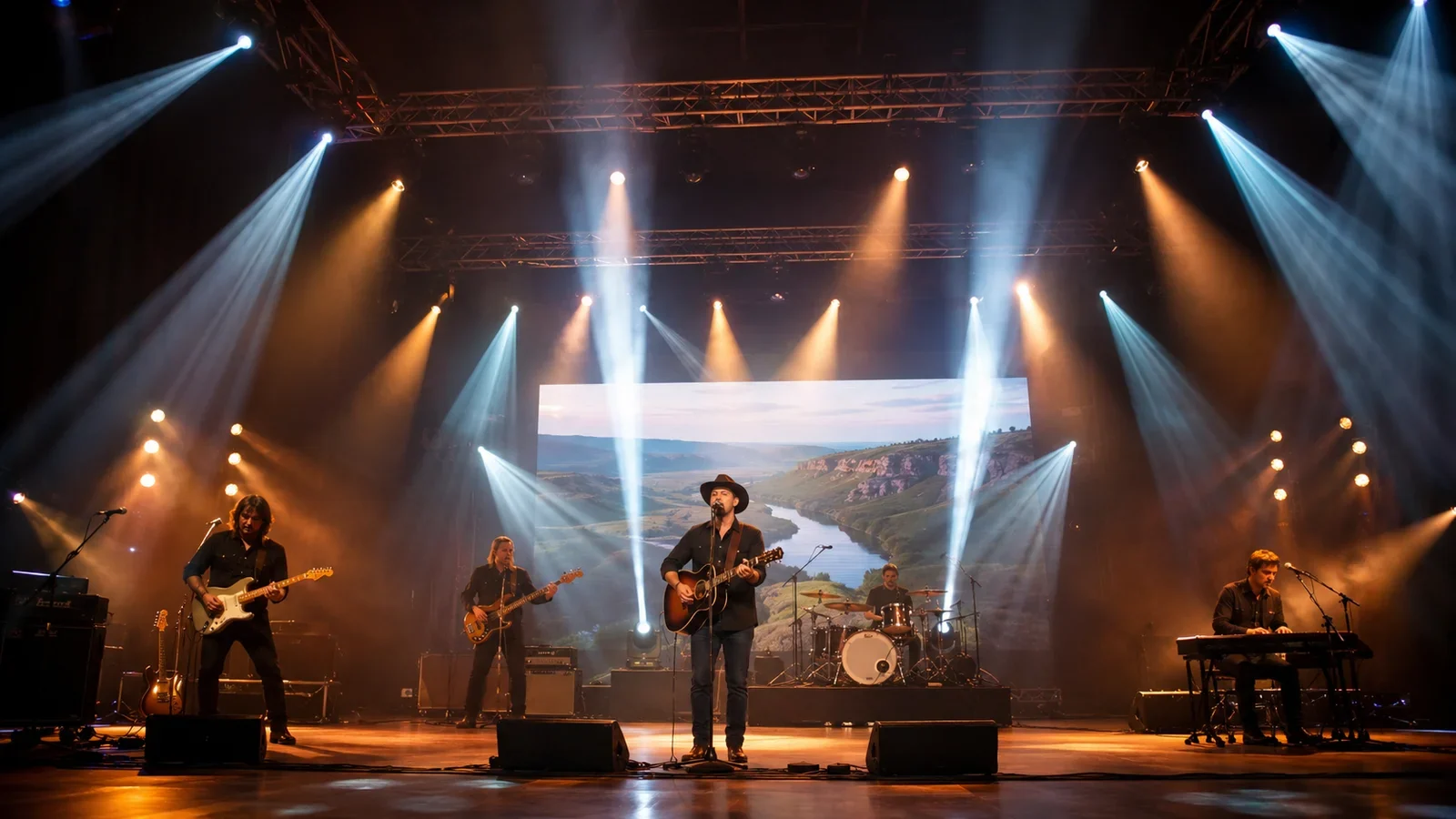
The best lighting for stage performances is not one fixture or the highest wattage. A practical system combines clear front light for people, wash light for coverage and color, profile light for controlled areas, beam fixtures for aerial effects, and strobe or blinder effects for selected moments. The right mix depends on the performers, stage size, viewing distance, cameras, venue conditions, control system, transport workflow, and budget.
For B2B buyers, the first decision is what each fixture must accomplish. A concert rental fleet, theatre, corporate stage, worship venue, and touring production may use similar product categories but assign them different priorities. Define visibility, atmosphere, movement, camera requirements, and operating conditions before comparing models.
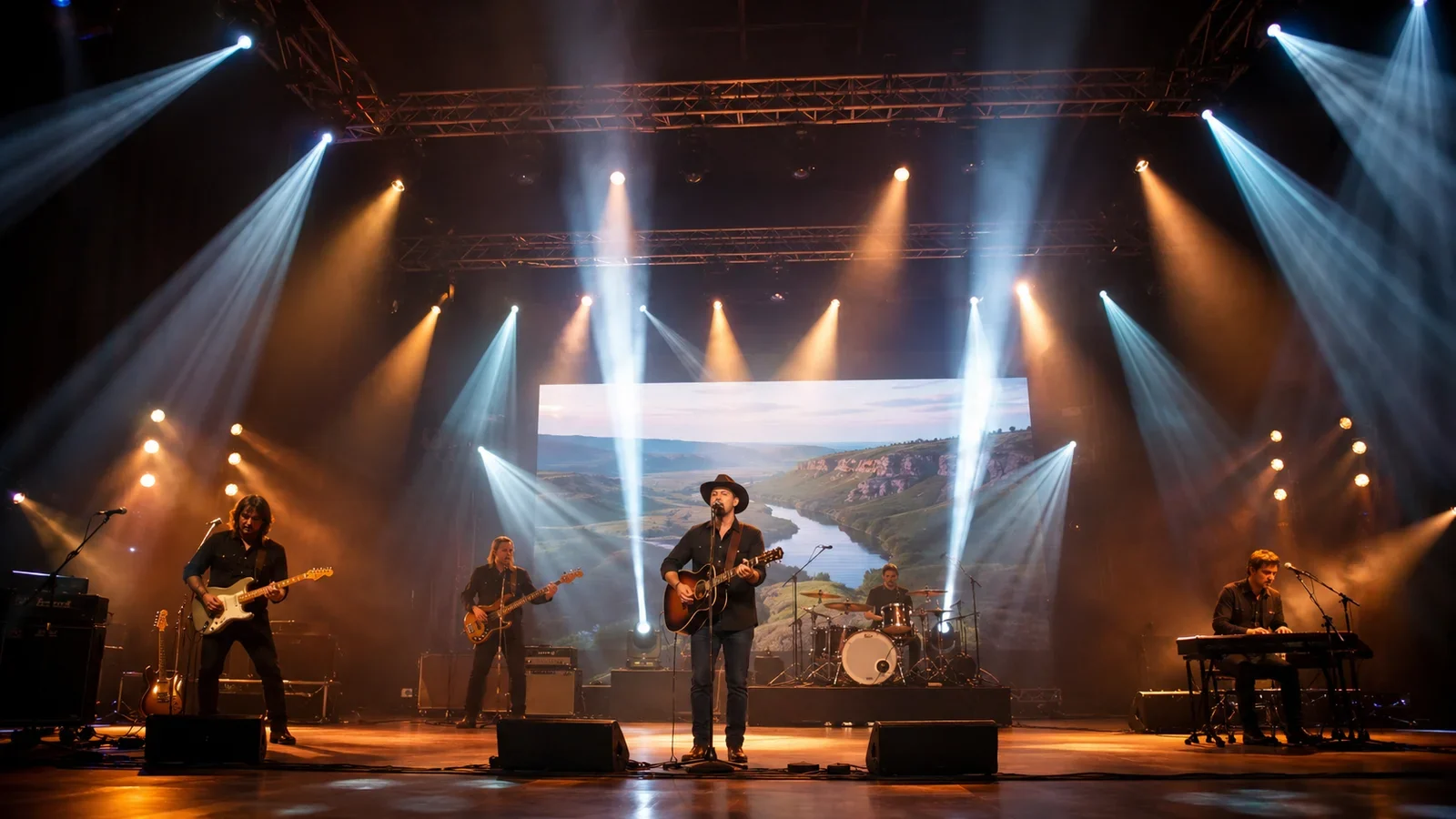
Start With the Performance, Not the Fixture List
Break the show into lighting jobs. Speakers, singers, actors, dancers, scenic elements, backdrops, audience areas, and aerial space do not need the same light. A fixture should be selected because it performs a defined job, not because it adds another effect to a specification sheet.
| Lighting layer | Main job | Typical fixture type |
|---|---|---|
| Front light | Keep faces and expressions visible | COB PAR, profile, ellipsoidal |
| Stage wash | Cover performance zones with color | LED PAR, moving-head wash, bee-eye wash |
| Beam effect | Create narrow aerial movement | Beam moving head |
| Pattern and focus | Define an area or project a controlled shape | Profile or spot fixture |
| Accent effect | Add short rhythmic impact | Strobe or audience blinder |
The strongest stage systems use these layers selectively. More fixture types do not automatically produce a clearer or more professional result for the performers and audience.
Make Front Light the Visibility Foundation
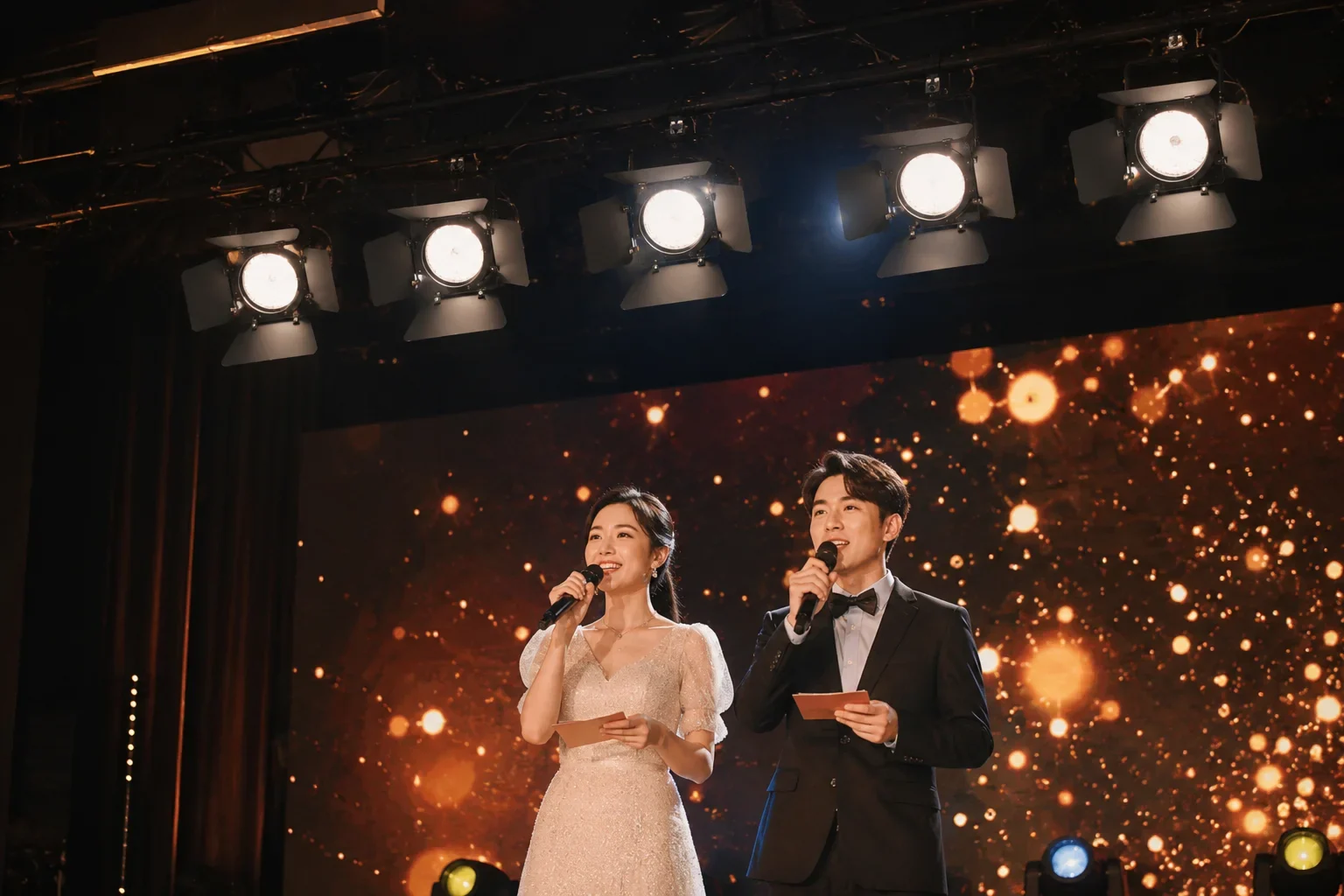
Front light should show faces, costumes, instruments, and gestures without forcing cameras to compensate for a dark subject against a bright LED background. Position, angle, color temperature, beam control, dimming behavior, and consistency matter more than decorative color effects in this role.
The RED STAR RG-320 is a verified 100W/200W COB PAR reference with warm white, white, or warm-plus-white configurations. Its catalogue data includes 0-100% linear dimming, six DMX channels, and optional barn-door packing formats. Buyers should confirm the ordered light-source version and test skin tones, dimming, camera exposure, and fan noise before approving a bulk order.
For stages requiring tighter boundaries, an ellipsoidal or profile fixture can reduce spill onto LED screens, curtains, or audience areas. The RG-309 catalogue reference offers 200W/300W LED options, a 25-degree standard beam angle, optional 15-, 45-, and 60-degree angles, and 3200K or 6500K options for the 200W version. Final selection should follow throw distance, coverage size, mounting position, and camera requirements.
Add Wash Lighting for Coverage and Color
Wash fixtures establish the visual environment across stage zones, scenic pieces, curtains, and dance areas. Useful comparisons include zoom range, color mixing, dimming, pixel control, movement, noise, power, weight, and environmental rating.
The RED STAR RG-371 is a verified IP65 moving-head bee-eye wash reference with 19 x 40W RGBW LEDs, an 8.5-45-degree zoom range, 0-100% linear electronic dimming, multiple DMX modes, and separate pixel modes. It can provide wash, beam, CTO, vortex, and kaleidoscope-style functions, but the exact ordered configuration and complete weatherproof stage system still require project confirmation.
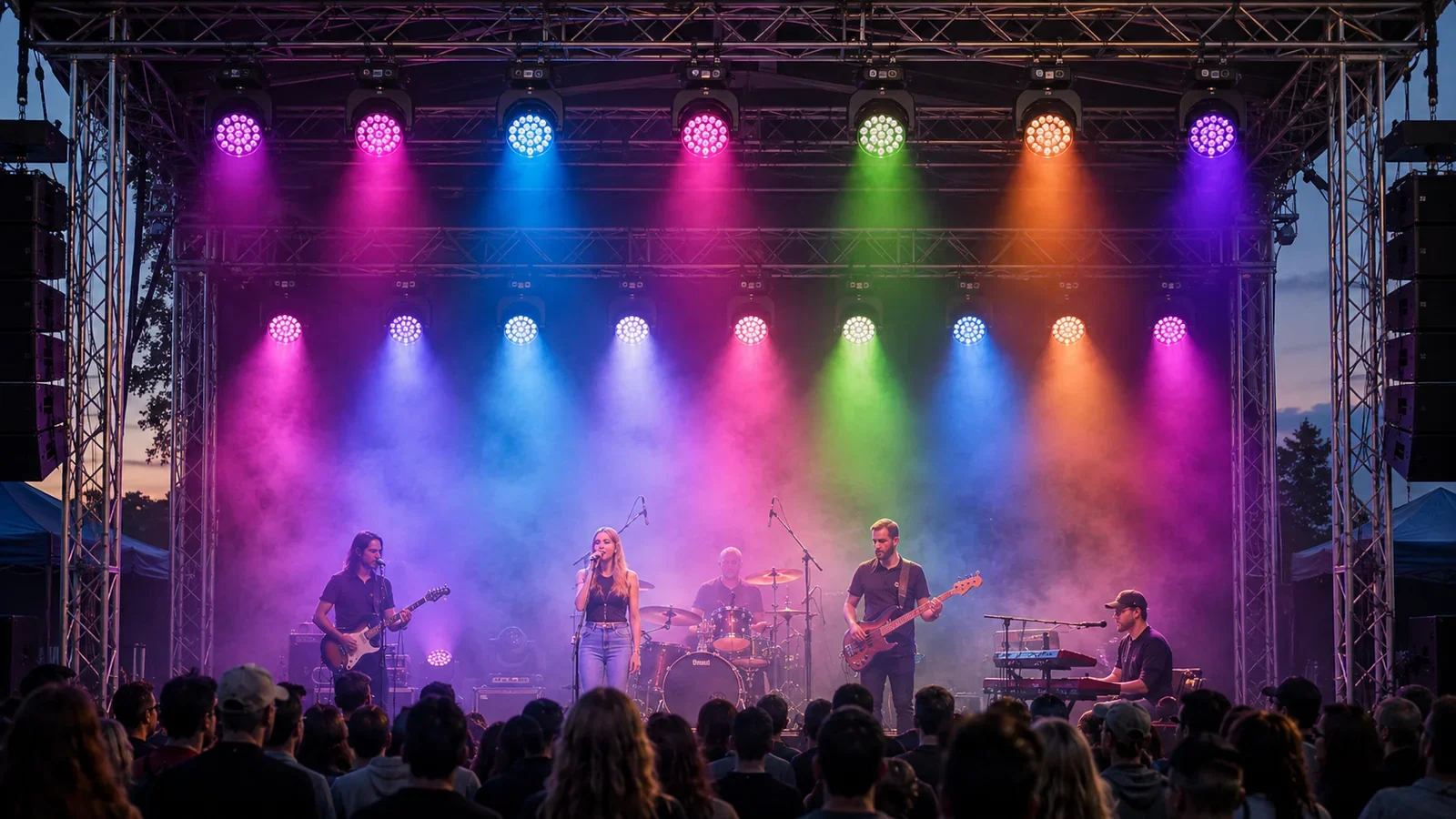
An IP rating applies to the specified fixture, not automatically to connectors, distribution, control equipment, structures, or temporary covers. Outdoor productions need professional electrical, structural, wind, drainage, and weather planning. The festival wash-light guide explains these selection checks in more detail.
Use Beam Fixtures for Aerial Effects
Beam fixtures create narrow shafts, fan patterns, sweeps, and multi-prism looks, especially when controlled haze makes the light path visible. They are effect fixtures and should not replace front light or broad wash coverage.
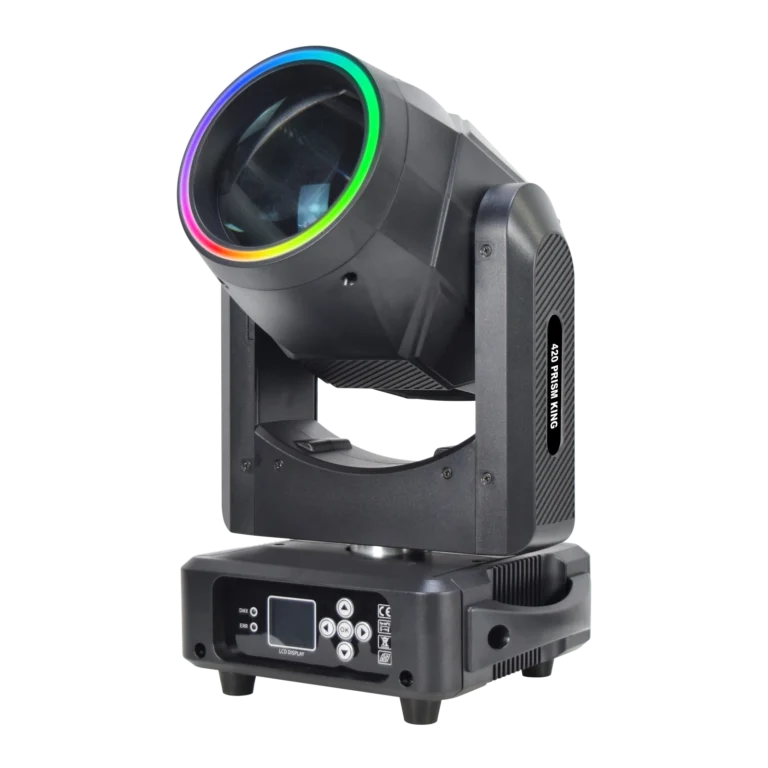
The RG-132 300W beam moving head light uses a verified 2-degree beam, four prism options, 13 colors plus white, 10 metal gobos, 4 glass gobos, 18/22-channel DMX control, and a 24 x 0.5W RGB 3-in-1 front ring. Its IP20 rating limits it to indoor or properly protected environments, and its RGB ring should not be described as independently pixel-controlled.
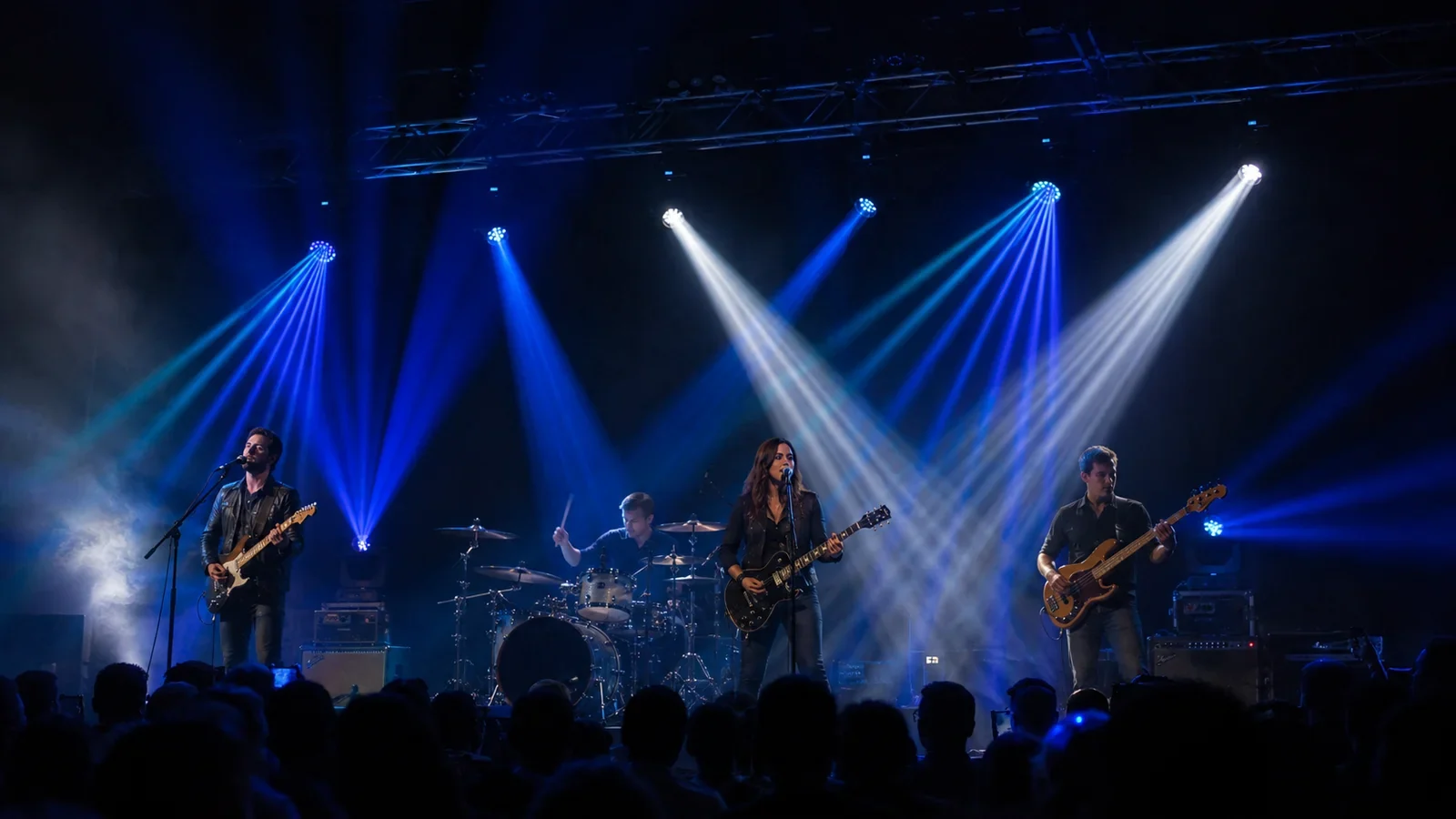
When comparing beam lights for stage, test them at the real throw distances and background brightness expected in the show. Check prism insertion, rotation, movement repeatability, color and gobo transitions, haze visibility, camera positions, and audience sightlines. See the broader beam moving head range when a project needs another output class or environmental rating.
Add Strobe Effects With Restraint
Strobe lighting can add rhythmic impact, freeze-like visual moments, or short transitions. It should be programmed deliberately rather than used continuously. Buyers should compare flash behavior, dimming, segment control, synchronization, power demand, camera interaction, and the intended performance environment.
The RED STAR RG-908 catalogue reference uses a 1000W LED system with 960 LEDs, flash speeds up to 1-12 times per second, synchronized multi-unit operation, and master-slave support. These specifications describe the product, but they do not replace show-specific safety planning or testing.
The stage strobe guide explains the difference between strobes and audience blinders, along with control, camera, power, and responsible-use considerations.
Match the Fixture Mix to the Performance Type
The best lighting for stage performances changes with the visual priority:
| Performance type | Start with | Add when needed |
|---|---|---|
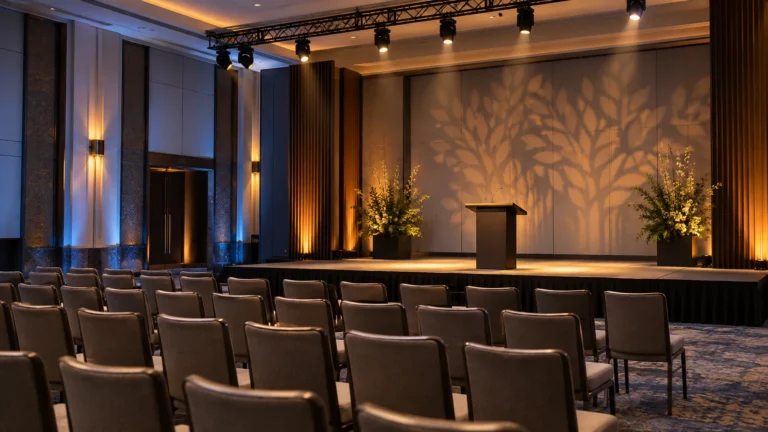
| Singer, presenter, or conference | Controlled front light and even wash | Subtle backlight and limited beam accents |
| Theatre or drama | Profile control, front light, and scene-based wash | Gobos and restrained effects |
| Dance performance | Even body coverage and color wash | Side light, beam movement, and timed strobe accents |
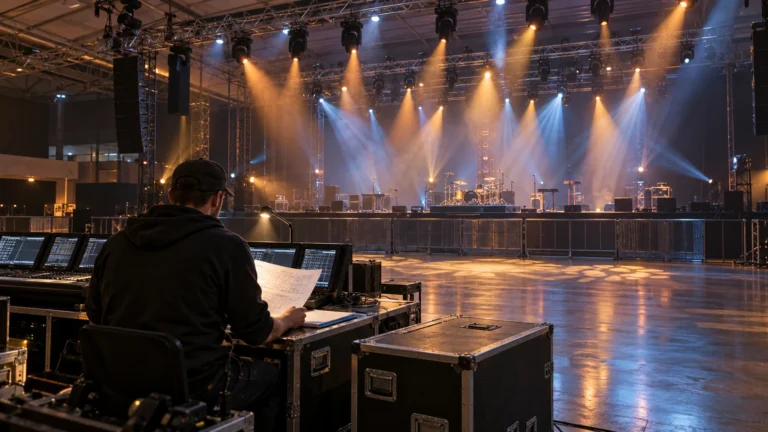
| Concert or music stage | Front light, flexible wash, and backlight | Beam, prism, strobe, and audience effects |
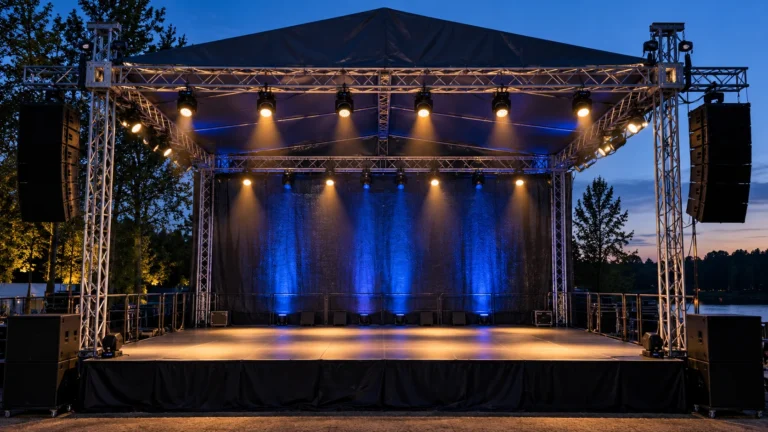
| Outdoor festival | Verified outdoor-rated wash and effect fixtures | Weather-qualified beam, strobe, and control equipment |
This table is a planning sequence, not a fixed package. Fixture quantity depends on stage width and depth, mounting positions, required overlap, throw distance, output, zoom, scenic design, camera coverage, redundancy, and local requirements.
Plan DMX, Power, Cameras, and Rigging Together
A fixture list is only one part of a working system. Confirm DMX modes, channel counts, fixture profiles, universes, addressing, network distribution, control backup, power draw, connectors, voltage, and cable routes. Record the approved software and channel chart for rental or touring inventory.
Camera tests should include faces, dark costumes, white clothing, saturated colors, LED-screen backgrounds, low dimming levels, strobe effects, and movement. Results depend on fixture behavior, console programming, camera frame rate, shutter, exposure, white balance, LED screens, and the wider production workflow.
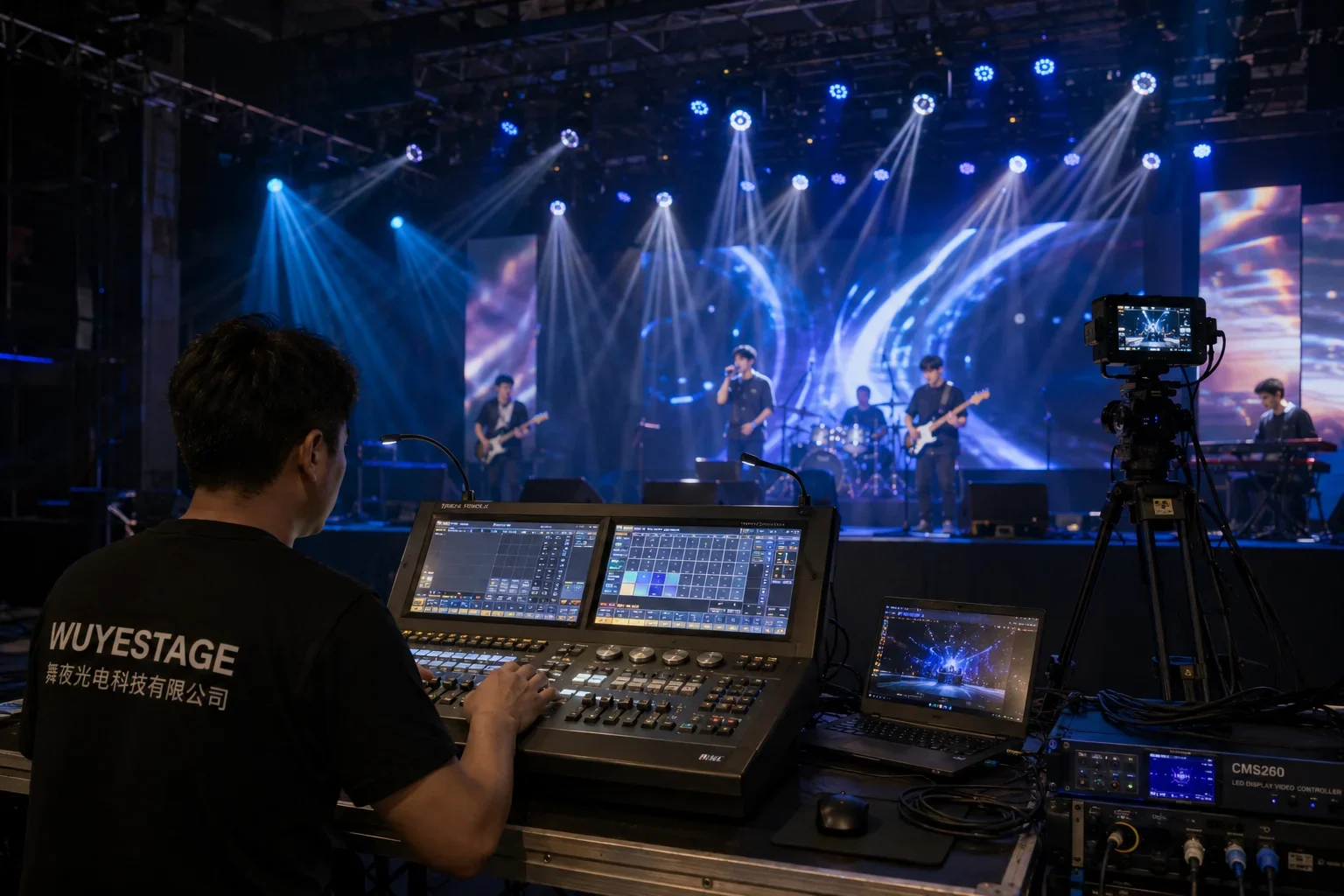
Rigging design and installation must be completed by qualified professionals using the fixture documentation, approved hardware, secondary safety measures, structural limits, and venue rules. Do not infer a complete suspension plan from fixture weight alone.
Compare Stage Lighting Equipment as a System
To select the best lighting for stage performances, professional buyers should compare more than unit price. Review fixture role, output and optical behavior, color quality, dimming, movement, control, environmental rating, power, noise, weight, packing, accessories, spare parts, documentation, service access, and supplier response.
For rental fleets, consistency can be more valuable than a long feature list. Several units should reach the same positions, colors, dimming levels, and effect states from the same commands. Cases, clamps, safety cables, connectors, fixture profiles, and spare parts should match the operating workflow.
The WUYESTAGE stage-lighting range provides the category path for moving heads, beam fixtures, LED PAR lights, wash lights, profiles, strobes, blinders, and other professional stage equipment.
Test Samples Before a Bulk Order
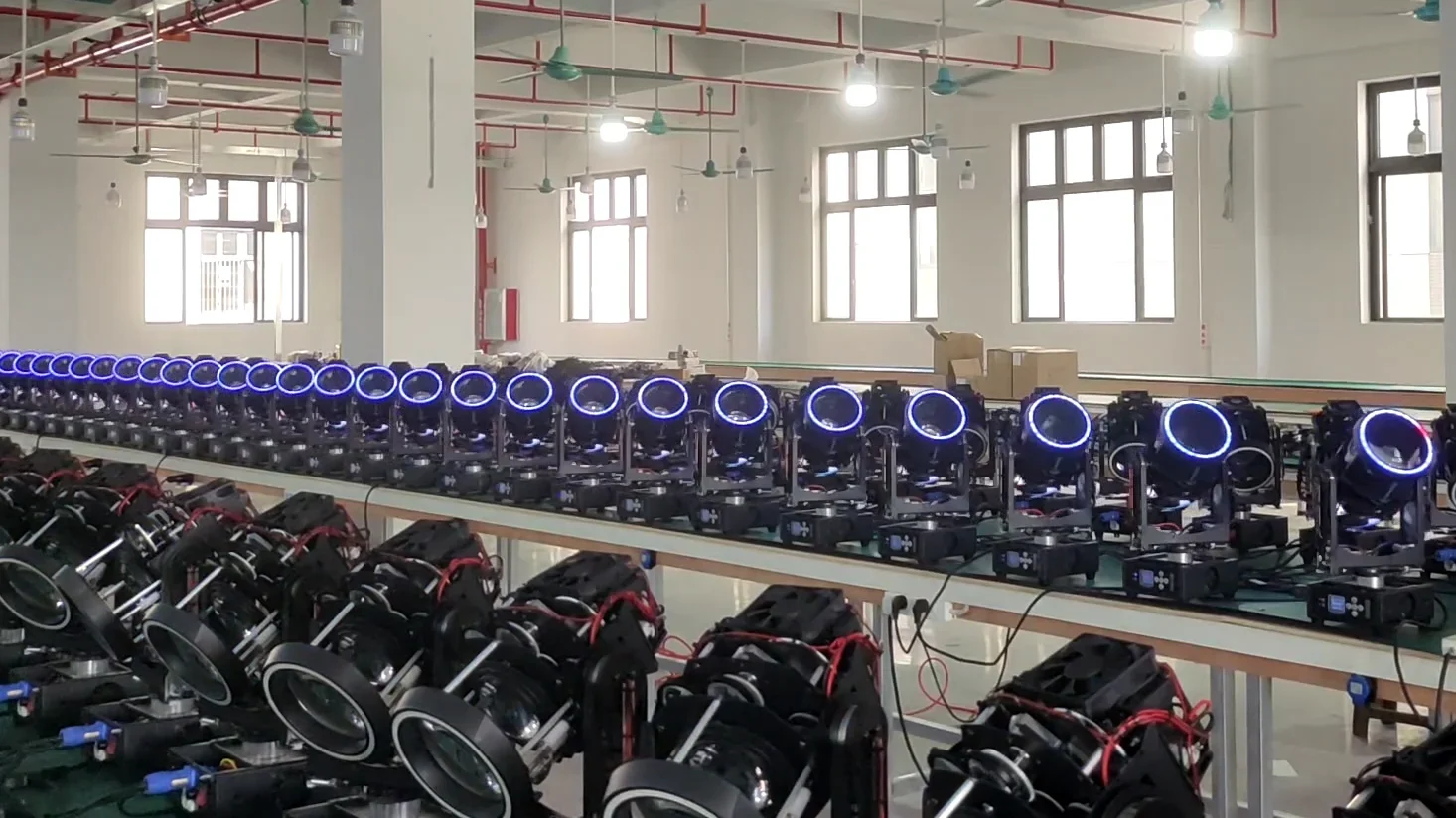
Test representative samples under realistic voltage, throw distance, ambient light, haze, mounting, camera, and control conditions. Run slow dimming, full-output operation, color changes, movement, resets, prism or gobo functions, strobe behavior, and repeated DMX commands.
Document the accepted product version, LEDs or lamp source, optics, software, DMX chart, connectors, accessories, packing, labels, and spare-parts list. If production units differ from the approved sample, identify the change and repeat affected checks before shipping release.
Stage Lighting Procurement Checklist
Send suppliers:
- Performance type and audience capacity
- Stage width, depth, height, and fixture positions
- Indoor or outdoor operating conditions
- Required front, wash, beam, profile, and accent roles
- Throw distances, coverage areas, and camera requirements
- Console, DMX, network, and fixture-profile requirements
- Voltage, plug, power-distribution, and connector requirements
- Rigging, cases, accessories, and spare-parts requirements
- Destination, packing, labels, documentation, and schedule
- Sample and pre-shipment test requirements
A complete brief allows the supplier to propose a coordinated system instead of quoting unrelated fixtures by wattage.
Frequently Asked Questions
What is the best lighting for stage performances?
Use controlled front light for visibility, wash light for coverage and color, profiles for defined areas, beam fixtures for aerial effects, and strobes or blinders for selected accents. The correct mix depends on the performance, venue, cameras, control, and operating conditions.
What lights should be used for a live music stage?
Start with front light, flexible stage wash, and backlight. Add beam, prism, strobe, or audience effects according to the music, stage size, haze policy, cameras, and audience sightlines.
Are beam moving heads suitable for front lighting?
Usually no. Narrow beam fixtures are designed for aerial and effect work. COB PAR, profile, ellipsoidal, or suitable wash fixtures are generally more appropriate for controlled performer visibility.
What stage lights are suitable for outdoor performances?
Use fixtures with verified environmental ratings suitable for the site. The rating must be considered together with connectors, power, control, structures, wind, drainage, and professional weather planning.
How should stage lights be tested for cameras?
Test real performers, costumes, saturated colors, dimming, movement, strobe effects, and LED backgrounds with the intended cameras. Record frame rate, shutter, exposure, white balance, console, and fixture settings.
What information is needed for a stage-lighting quotation?
Provide stage dimensions, performance type, fixture positions, required lighting roles, venue conditions, cameras, control, voltage, plugs, rigging, cases, accessories, spares, destination, and schedule.
Request a Stage Lighting Recommendation
Looking for the best lighting for stage performances, rental inventory, venue upgrades, or event projects? Send WUYESTAGE your performance type, stage dimensions, venue conditions, fixture positions, lighting roles, cameras, console, voltage, rigging, case, spare-parts, destination, and schedule requirements. We can compare suitable fixture categories and prepare a project-based quotation.