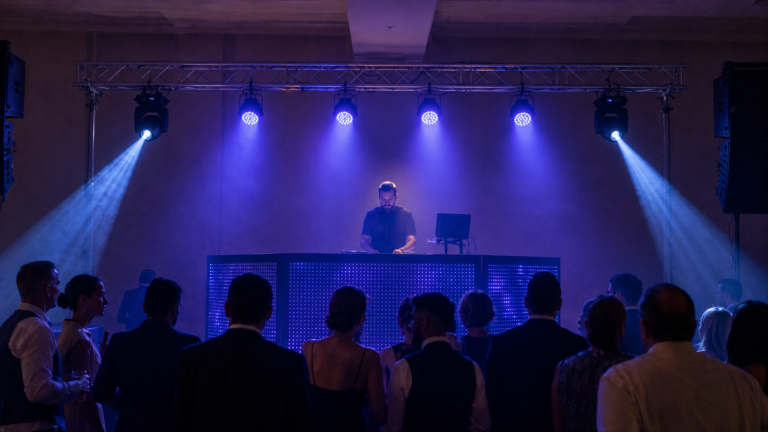





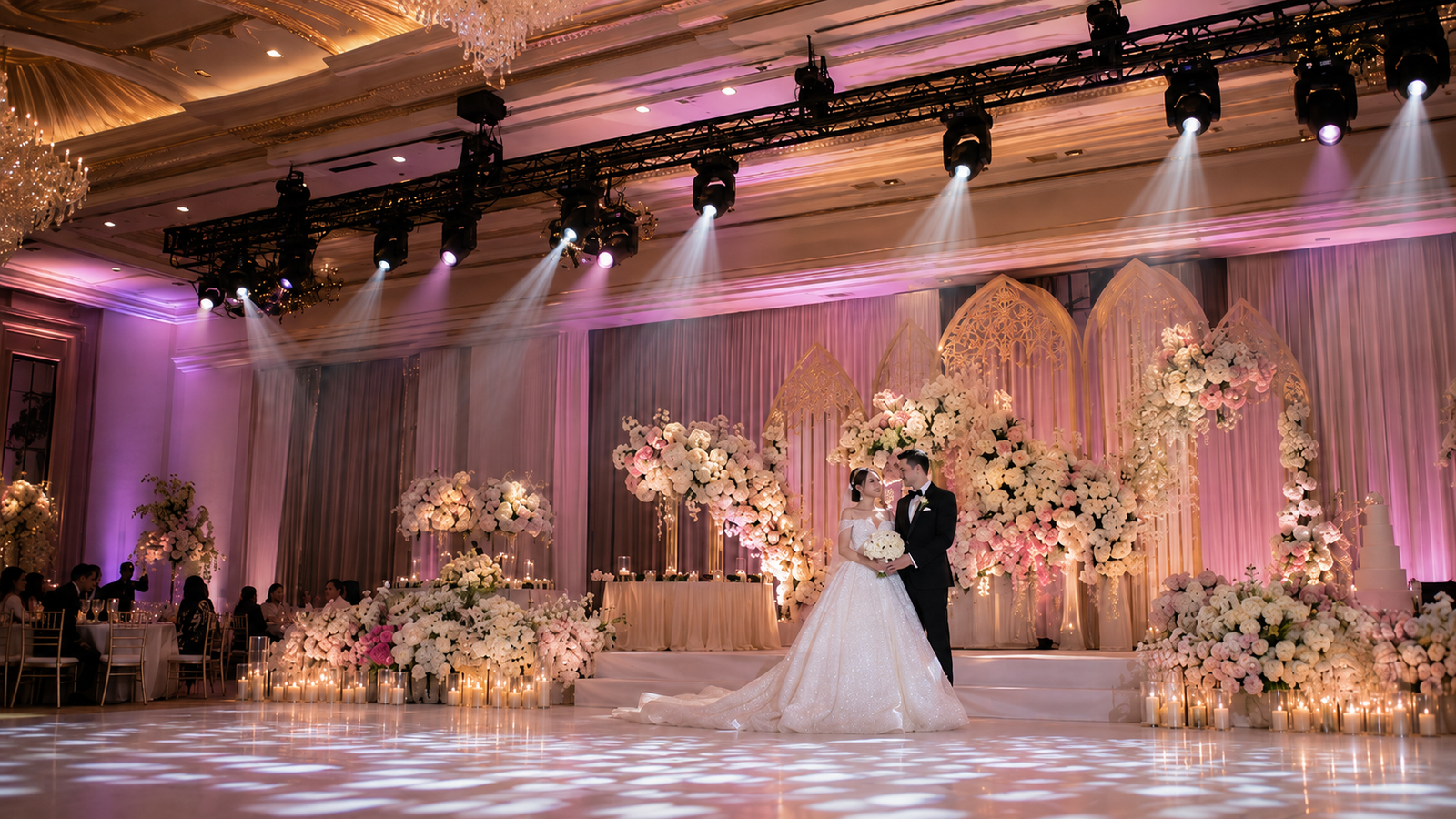
The best stage lighting for wedding venues must support several very different moments in one event. A ceremony needs flattering, quiet illumination. Speeches and first dances need accurate skin tones for cameras. The reception may require colorful washes, moving effects, and beams. Meanwhile, venue operators need equipment that is reliable, easy to program, and practical to maintain.
For that reason, buying only the brightest fixture is rarely the right approach. A balanced wedding venue lighting system normally combines soft front light, adjustable color wash, controlled effects, and dependable DMX operation. The final choice should reflect the room size, ceiling height, stage layout, camera requirements, outdoor exposure, and operating skill of the venue team.
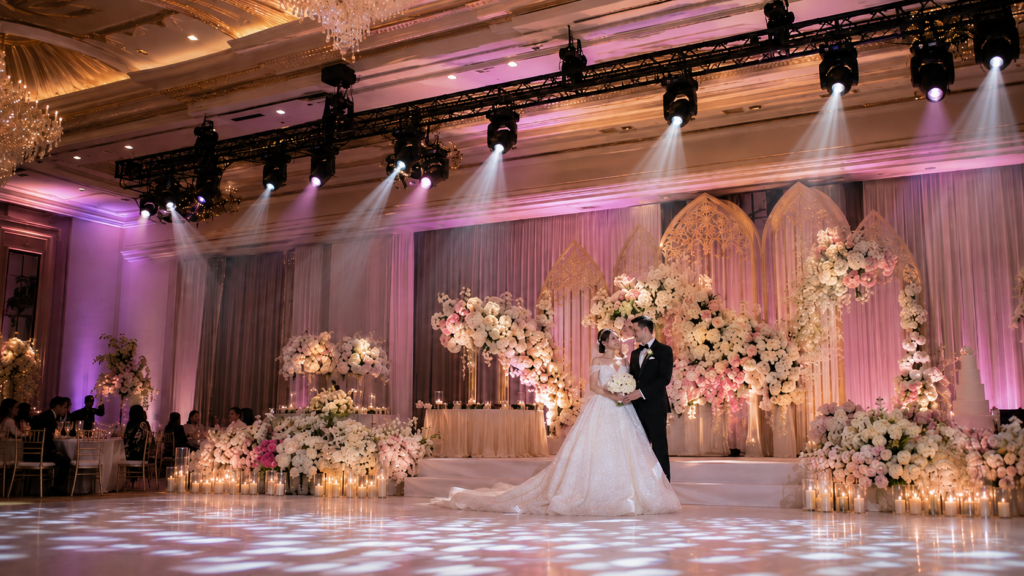
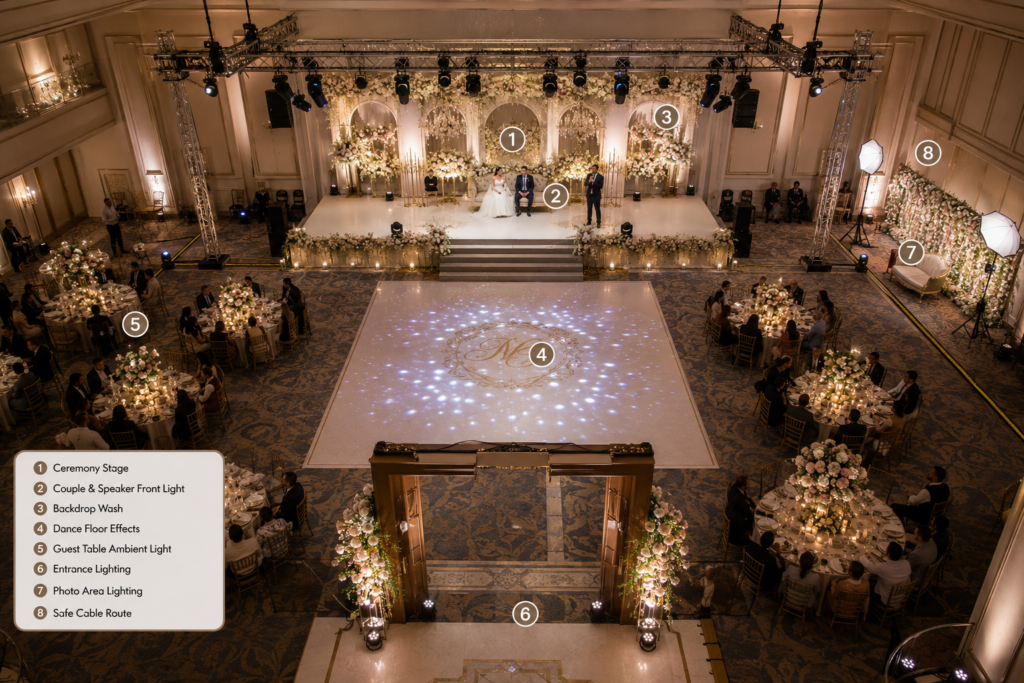
Before comparing models, divide the venue into lighting zones and define the purpose of each zone:
The ceremony and camera zones need controlled white light and smooth dimming. Scenic areas benefit from even color wash. The dance floor can use moving heads, rotating effects, or beams. Separating these jobs prevents an effects fixture from being used as the only source for faces.
Buyers should also record stage width, ceiling or truss height, throw distance, available power, fixture positions, control system, and the number of trained operators. These inputs make quotations and sample testing much more useful.
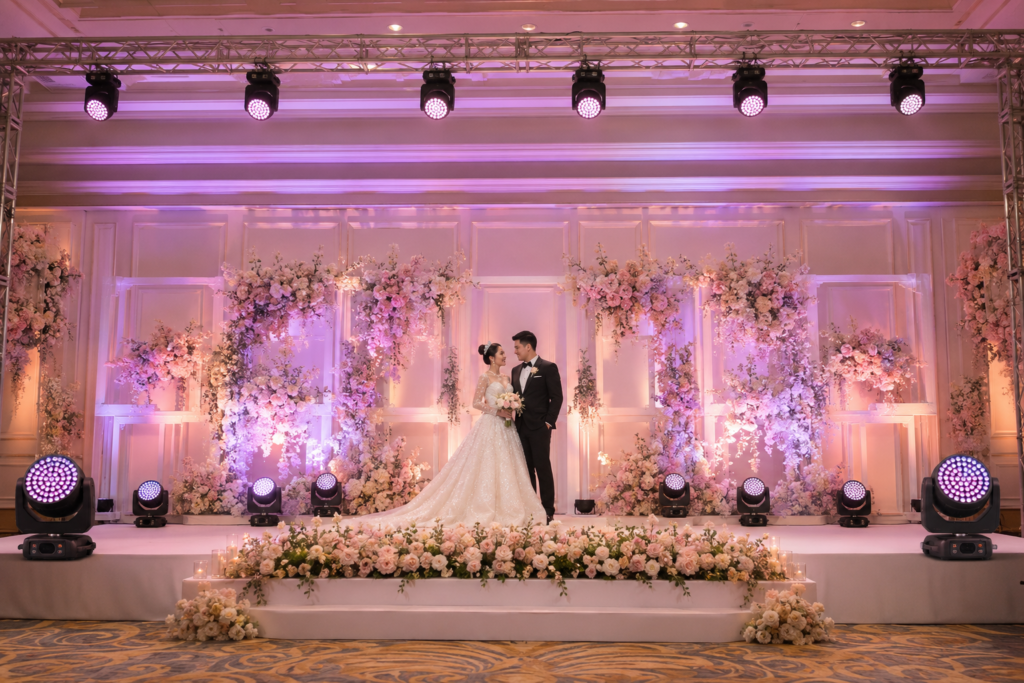
Wash fixtures create broad fields of color across backdrops, walls, stages, and dance floors. They are the foundation of many wedding stage lighting setups because several fixtures can blend into a continuous look.
For a permanent banquet hall, fixed LED PAR fixtures can provide economical wall, curtain, or stage wash. Moving wash lights are more flexible when the room layout changes between ceremonies, receptions, conferences, and private events. Zoom is especially useful because a venue can narrow the coverage for a small stage or widen it for a larger backdrop.
Color quality matters more than the number of advertised effects. Test clean white, warm white, pastel pink, amber, blue, and low-saturation colors. Then check whether several units produce matching output. Uneven white balance or visibly different colors can be distracting in wedding photography.
The RG-371 IP65 Bee Eye Light is one verified wash reference. Its catalog lists 19 four-in-one 40W LEDs, an 8.5-45 degree spot angle, 2800K-8500K color-temperature control, linear dimming, pixel modes, and IP65 protection. Its effect functions can support a reception, while its zoom and wash output provide broader venue coverage.
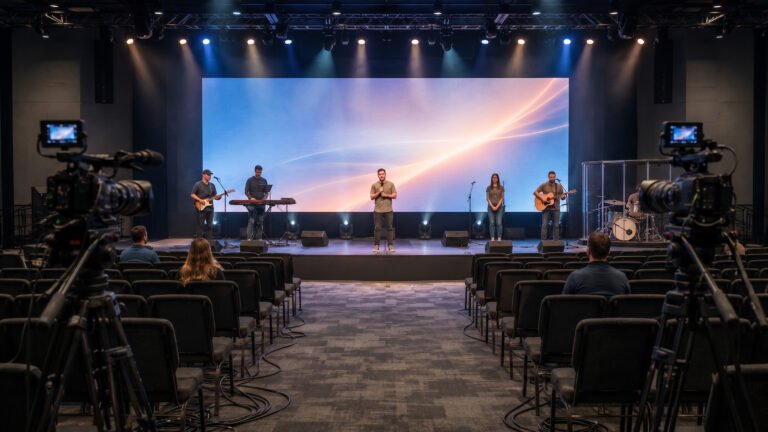
Wedding lighting is photographed and recorded throughout the event. Therefore, front light should not depend on saturated RGB effects. Use controlled white light from suitable front or side positions to reduce deep eye shadows and keep faces visible.
The correct color temperature depends on the venue decor, ambient light, camera settings, and creative direction. What matters is consistency. Test the complete system with the cameras that will be used, including the actual frame rate, shutter setting, and white balance. Look for flicker, color shifts, harsh shadows, and unstable output at low dimmer levels.
Fixtures should also dim smoothly during entrances, speeches, and transitions. Sudden steps near black can look unprofessional on video. Ask the supplier to demonstrate low-level dimming and to match several samples from the same production batch.
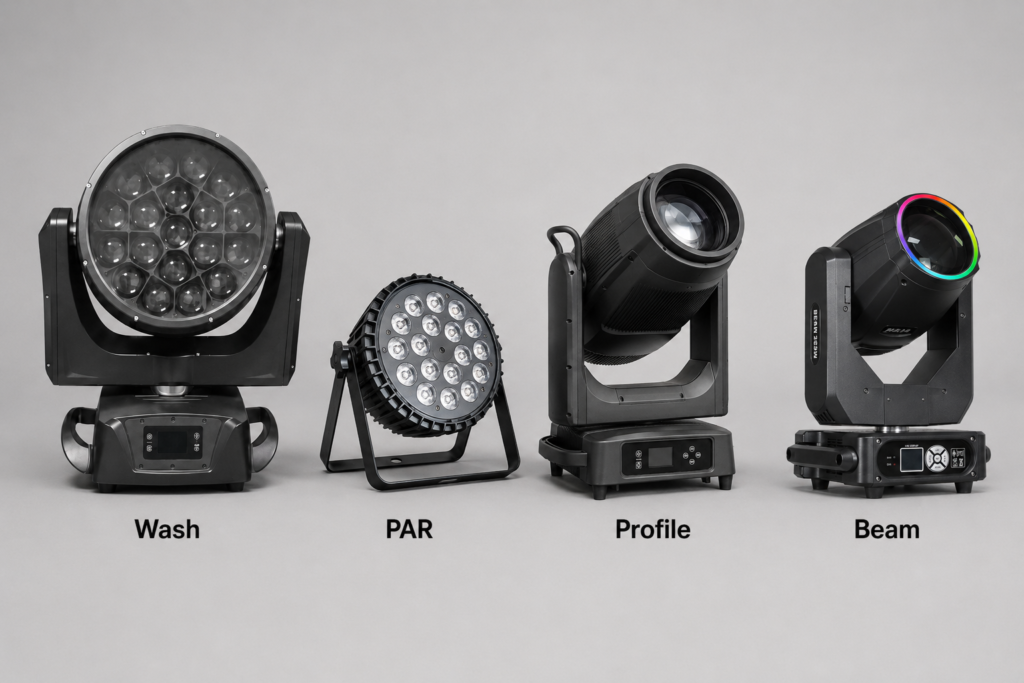
Moving heads can reposition light between the stage, dance floor, entrance, and scenic features. However, the fixture type should match the required job.
| Fixture Type | Wedding Venue Role | Main Buying Check |
|---|---|---|
| Moving wash | Stage, backdrop, and dance-floor color | Zoom, color consistency, dimming |
| Beam moving head | Reception aerial effects and entrances | Throw distance, haze policy, safe aiming |
| Profile or spot fixture | Couple, speaker, logo, or scenic focus | Framing, focus, color quality |
| LED PAR | Fixed wall, curtain, or stage wash | Beam angle, mounting, color matching |
Beam fixtures are strongest when the venue has enough distance and controlled haze. In a low-ceiling room, a very narrow beam may feel aggressive or spend most of the show pointed at nearby surfaces. A wash or profile fixture may provide more usable coverage.
The RG-119 295W Beam Moving Head is a reception-effects reference. Its catalog lists a 275W or 295W high-brightness lamp option, 13 colors plus white, 14 fixed gobos plus open, prism effects, adjustable strobe, and DMX, master-slave, sound, and auto control. It should be used for dynamic looks rather than as the main camera light for the couple.
There is no universal number of lights for a wedding venue. Quantity depends on room dimensions, stage width, throw distance, mounting height, beam angle, output, scenic design, and the number of independent zones.
Start by drawing the fixture positions and target areas. Estimate the coverage diameter at the chosen distance and angle, then allow adjacent washes to overlap. Add separate positions for front light, because backdrop fixtures behind the couple cannot provide flattering facial illumination.
Rental companies should also include spare capacity. A repeated event schedule leaves little time to repair a failed unit between setup and guest arrival. Standardizing the main fixture types can simplify programming, cases, clamps, cables, spare parts, and technician training.
Advanced pixel and effect modes can produce impressive reception looks, but they require more DMX channels and programming time. A venue that relies on banquet staff may need simple presets and a protected control interface. A production company with a lighting operator can use expanded modes for custom shows.
Ask for the DMX chart before ordering. Test addressing, pan and tilt, dimming, color, zoom, reset behavior, and response after signal loss. Confirm that saved scenes return correctly after a power cycle.
For multi-room properties, document fixture addresses, cable routes, universe assignments, show files, and approved presets. Clear records reduce setup errors when different operators work in the venue.
A fixture can meet its output specification and still be unsuitable for a quiet ceremony. Test fan and motor noise from guest seating positions. Movement should also be smooth enough that repositioning during speeches does not attract unwanted attention.
The fixture housing, cables, clamps, and mounting positions should look orderly in a decorated room. Hide cable runs where possible without compromising ventilation or service access. Safety cables, rated clamps, and suitable structural points remain necessary even when equipment is visually integrated into the decor.
Avoid aiming intense beams into guest eyes, camera lenses, roads, or neighboring properties. Program movement limits for low ceilings and compact rooms. In addition, confirm the venue’s policy before using haze or fog because alarms, ventilation, and guest comfort may restrict atmospheric effects.
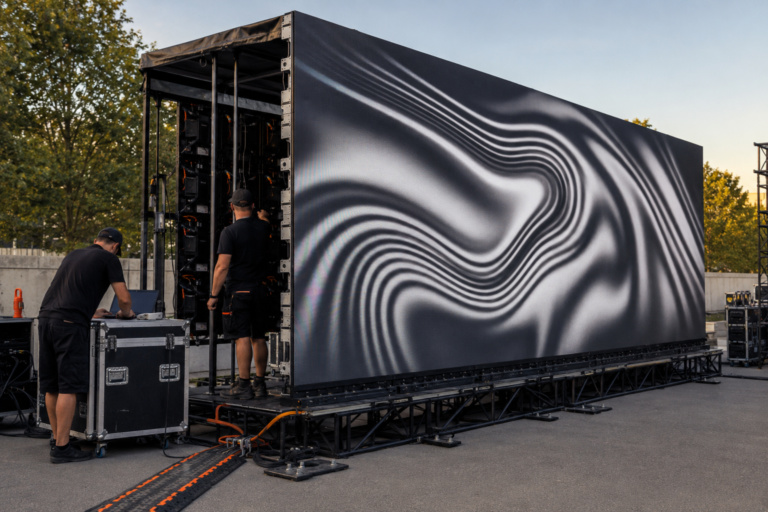
Outdoor terraces, gardens, and temporary wedding stages introduce rain, dust, condensation, wet connectors, and changing temperatures. A roof alone may not protect fixtures from wind-driven rain.
For exposed positions, use a verified outdoor rating and compatible power and signal connections. The RG-371 catalog specifies IP65 for the complete model, making it a relevant outdoor wash option. Still, the installation plan must include suitable distribution, cable routing, drainage, grounding, and emergency procedures.
Do not describe an indoor fixture as weatherproof because it is placed under a temporary cover. If an IP rating is not confirmed in the product file, treat the fixture as a protected-stage option and create a weather plan around it.
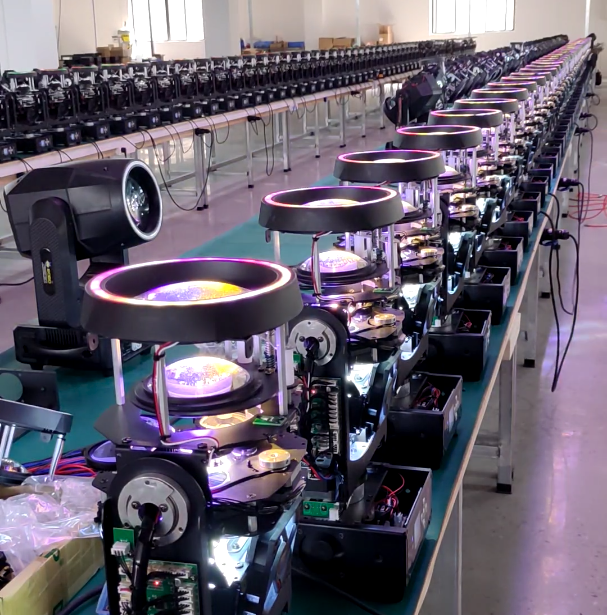
A useful sample test should reproduce the real room and event workflow. Check:
Record the approved firmware, channel chart, connectors, labels, packing method, and test standard. For outdoor models, request the applicable IP test documentation instead of relying only on a sales description.
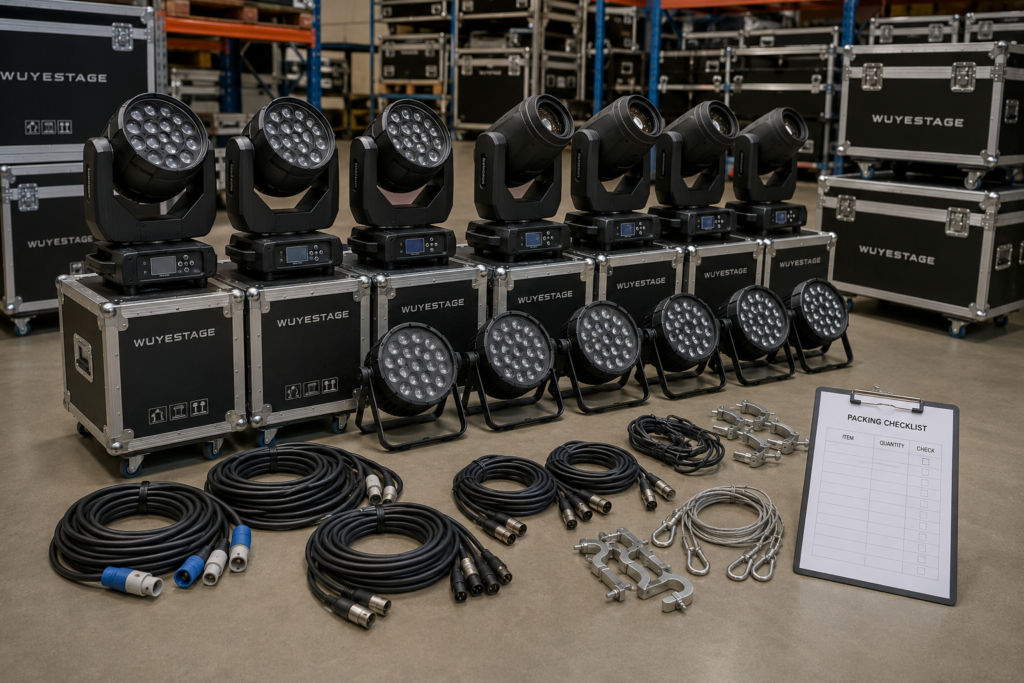
Prioritize soft front light and compact LED PAR or moving wash fixtures. Use a small number of moving effects only where ceiling height and guest distance permit.
Combine front or profile lighting with multiple wash zones and moving heads for entrances and the dance floor. Zoom and repeatable position presets are valuable when room layouts change.
Start with verified weather protection, safe power distribution, and wide wash coverage. Add protected beam or profile fixtures only when the weather and rigging plan supports them.
Choose durable fixtures that share control methods, connectors, cases, and spare parts. A flexible package should cover ceremonies, receptions, speeches, and dance floors without requiring a completely different system for every event.
The best system combines flattering white front light, even LED wash coverage, controlled moving effects, smooth dimming, camera compatibility, and reliable DMX control. The exact fixtures depend on venue size, stage geometry, event style, and outdoor exposure.
Yes. Moving washes can reposition color, while beam or spot fixtures can create entrances and reception effects. They should complement, not replace, suitable light for faces and cameras.
There is no single setting for every venue. Match the camera plan, skin tones, decor, and ambient sources, then keep the fixtures consistent across the stage.
Fixtures exposed to weather should have a verified outdoor rating appropriate to the position. A covered stage still requires assessment of wind-driven rain, condensation, wet connections, and drainage.
Calculate quantity from stage width, throw distance, mounting height, beam angle, desired overlap, front-light positions, scenic zones, and redundancy. A floor plan is more reliable than a generic fixture count.
Send WUYESTAGE your venue plan, stage dimensions, mounting height, throw distances, indoor or outdoor conditions, camera requirements, control system, power standard, target quantity, destination, and event schedule. We can compare wash, PAR, beam, and moving-head options, then prepare a sample or bulk-order recommendation for the real wedding workflow.