




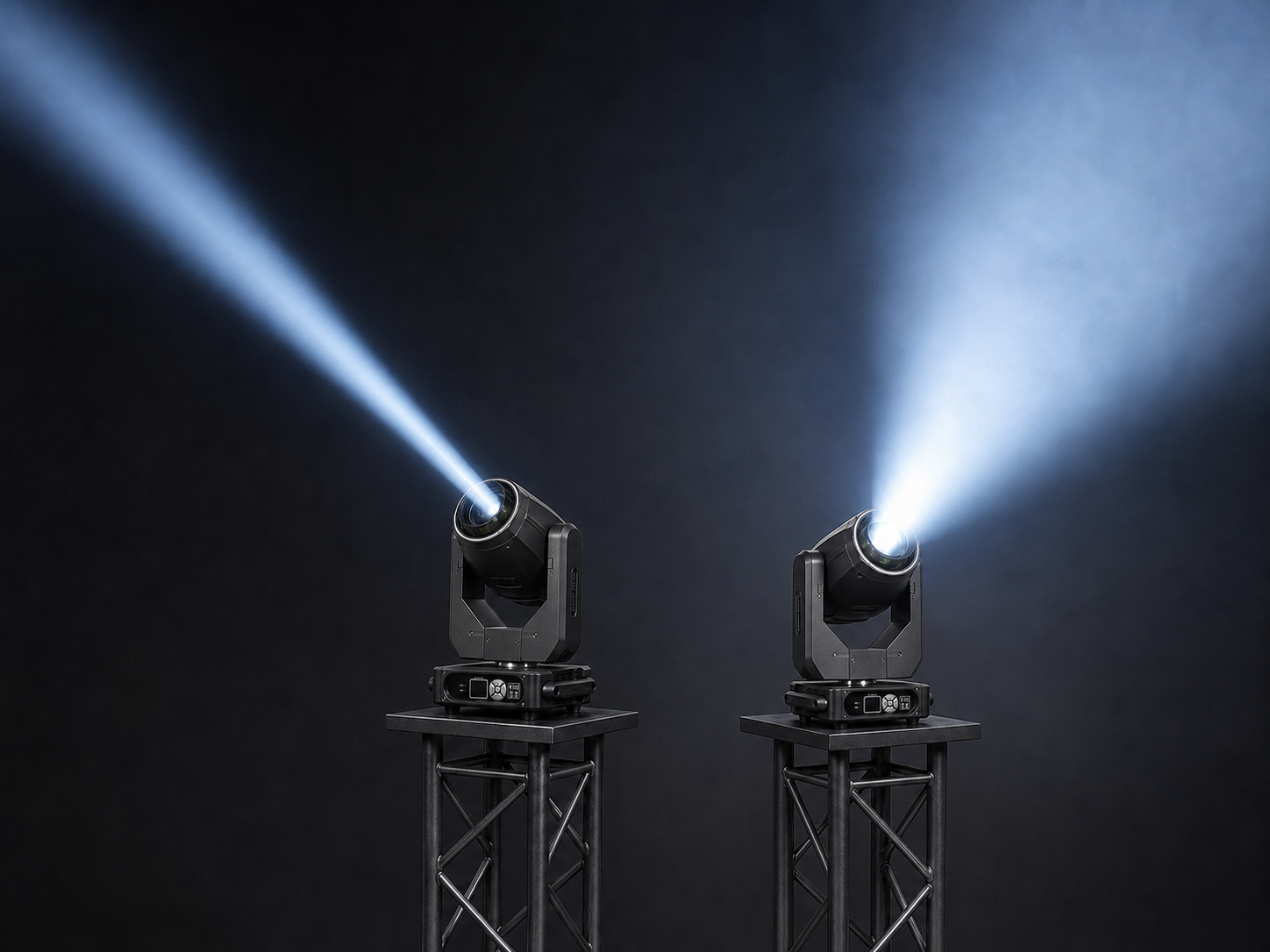
Choosing the best beam angle for moving head beam lights is not only about brightness. For stage rental companies, distributors, and project contractors, beam angle affects throw distance, visual sharpness, programming style, fixture quantity, and the final impression on the audience.
A narrow beam can look powerful in haze and long-distance concert scenes. A wider beam can help cover smaller stages, clubs, wedding venues, and lower truss heights. The right choice depends on the venue size, rigging height, effect style, and whether the buyer needs a fixture for repeated rental use or a fixed installation.
This guide explains how B2B stage lighting buyers should think about beam angle before ordering moving head beam lights in bulk.
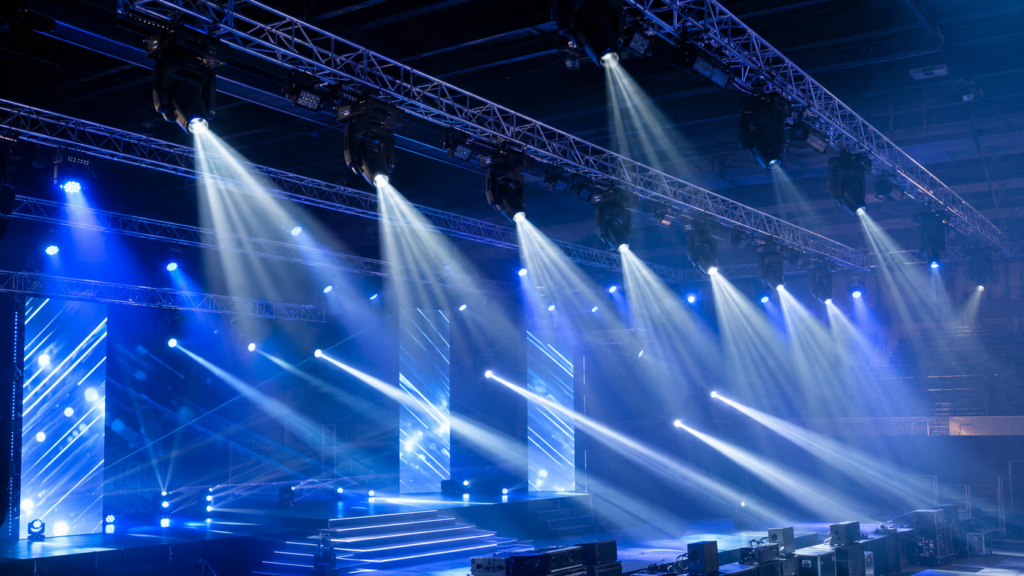
Beam angle describes how wide the light output spreads from the fixture. A smaller angle creates a tighter and more concentrated beam. A larger angle creates a wider beam that covers more area but may look less sharp at long distance.
For moving head beam lights, beam angle is especially important because the fixture is often used to create visible aerial effects. In concert, club, and festival lighting, the beam itself becomes part of the show design. The audience is not only seeing the illuminated surface; they are seeing the line of light moving through the air.
This is why beam fixtures are different from wash lights and many spot fixtures. Wash lights are usually selected for coverage and color mixing. Spot or profile fixtures are often selected for gobo projection, framing, or controlled image quality. Beam moving heads are selected for punch, direction, sharpness, and movement.
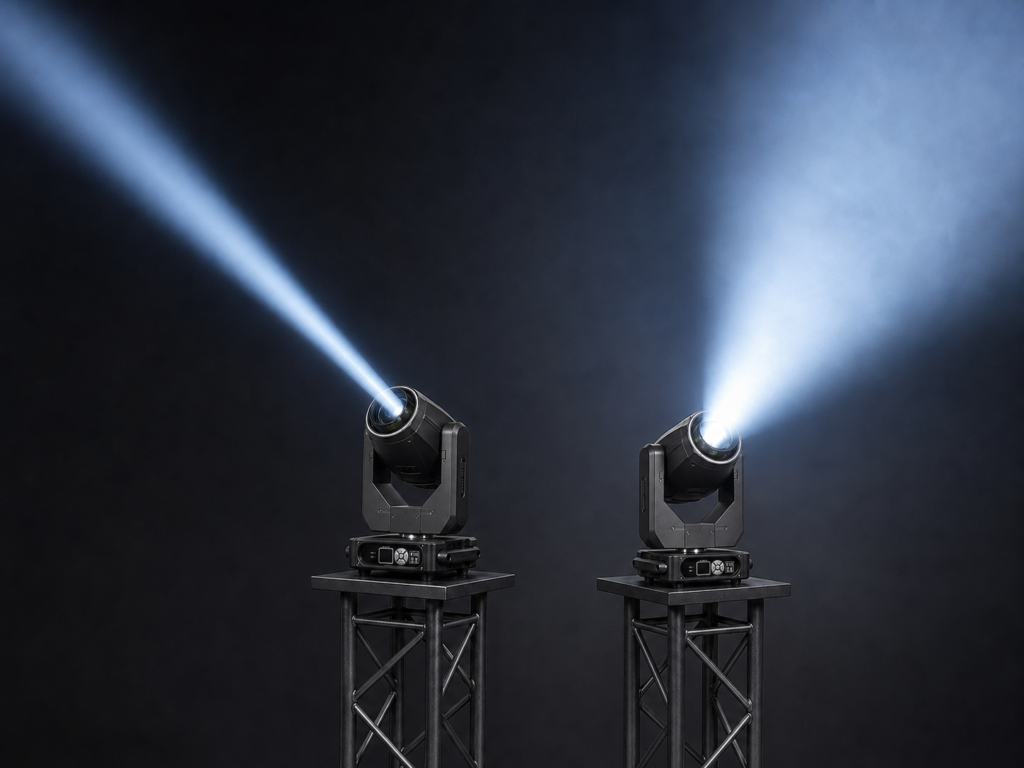
A narrow beam angle is usually better when the lighting designer wants strong aerial lines, sharp movements, and visible beams across a large venue. The light stays more concentrated, so it can travel farther before it spreads too much.
A wider beam angle is useful when the stage is smaller, the ceiling is lower, or the fixture needs to create a fuller visual effect at a shorter distance. It may be easier to use in wedding stages, entertainment venues, and indoor event spaces where the audience is close to the lighting rig.
For rental companies, the question is not simply “which beam angle is best?” The better question is:
Which beam angle will work for most of my customers’ stages without creating setup problems?
If most jobs are large stages, concerts, outdoor shows, clubs, or touring events, a tighter beam is usually more attractive. If most jobs are small to medium wedding stages, banquet halls, DJ events, and temporary indoor stages, a practical beam fixture with frost or adjustable effect options may be more flexible.
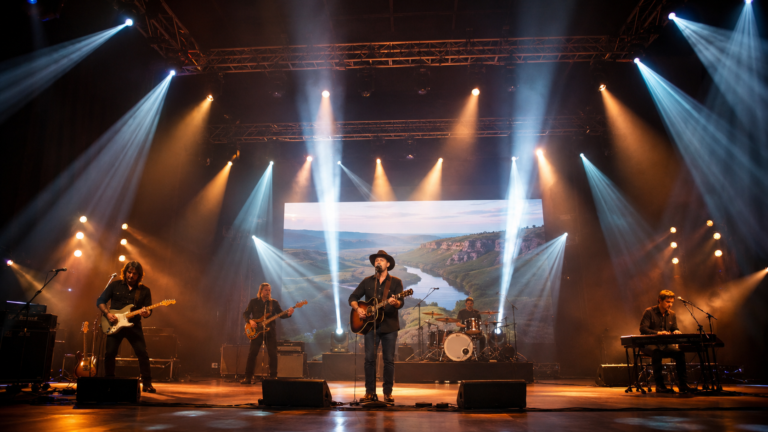
For concerts and large stages, buyers usually want a narrow and strong beam. The goal is to create long visible lines in haze, fast sweeping movements, fan effects, crossing beams, and high-impact stage looks.
Large stages usually have higher truss positions and longer throw distances. If the beam spreads too quickly, the effect may look soft before it reaches the audience or back of the venue. A tighter beam helps keep the effect more defined.
For large stages, buyers should check more than the beam angle alone:
A beam moving head light with prism effects can make a narrow beam look richer without losing the punch that makes beam fixtures valuable for concerts.
For buyers comparing fixture types, a helpful next step is to review the available Beam Moving Head Lights and compare 295W, 380W, and outdoor options based on venue size.
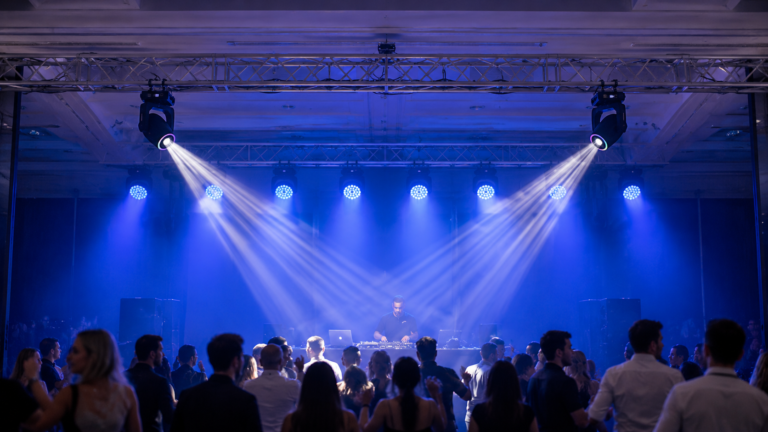
Nightclubs often need strong beam effects in a smaller space. The truss height may be limited, but the lighting effect still needs to feel energetic. In this case, the best beam angle is usually one that creates a defined visible beam but does not feel too narrow for the room.
Club buyers should also pay attention to movement and effect variety. A fixture with color wheel, gobo, prism, strobe, and frost options can create more looks from the same rig. This matters when a venue needs different moods for DJ nights, live events, private parties, and themed shows.
For nightclub use, buyers should ask:
A practical beam moving head light for clubs should balance beam sharpness with reliability. The lowest price is not always the lowest cost if failures create downtime during weekend operation.
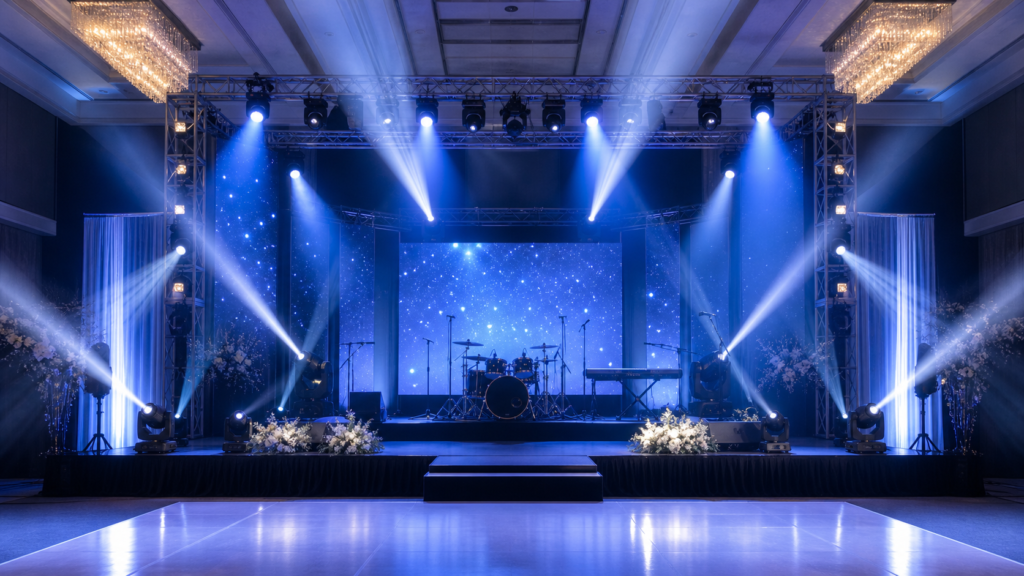
Wedding stages and event rental jobs are different from permanent club or concert installations. Rental companies need fixtures that work across many venues, not only one ideal stage.
A wedding stage may be in a hotel ballroom one day and an outdoor temporary stage the next. Ceiling height, haze use, audience distance, and power conditions can all change. Because of this, event rental buyers often prefer versatile beam moving head lights with practical effects, stable control modes, and reliable packing.
For wedding and event rental stages, buyers should focus on:
A 295W beam moving head light can be a practical choice for rental companies that need strong beam output without moving into very large and expensive show fixtures. For larger event companies or outdoor applications, 380W and IP65 outdoor beam options may be more suitable.
Beam angle should be considered together with power and application. A 295W beam moving head light can be suitable for wedding stages, rental events, clubs, medium stages, and distributors who need a repeatable product for bulk orders.
A 380W beam moving head light may be better when the buyer needs stronger output, larger venue coverage, or more demanding stage projects. Outdoor or IP-rated beam fixtures are important when the fixture may face moisture, dust, or temporary outdoor performance conditions.
When comparing 295W and 380W fixtures, buyers should not look at wattage alone. They should also compare:
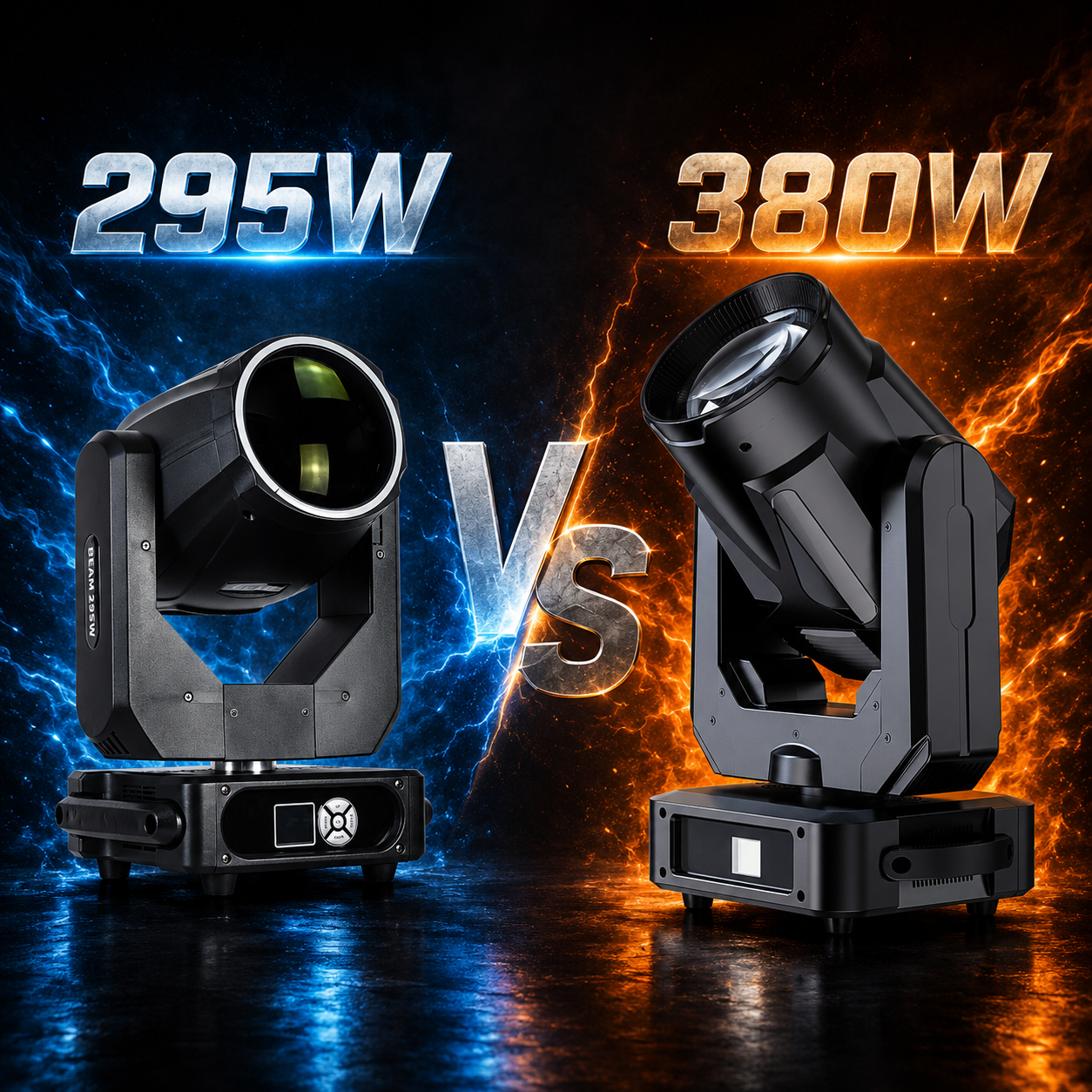
For the WUYESTAGE beam series, buyers can start from the 295W and 380W Beam Moving Heads category page, then request a recommendation based on venue type, order quantity, and target market.
Many buyers ask whether they should choose beam moving heads or spot moving heads for concerts. The answer depends on the visual role.
Beam moving head lights are used for sharp aerial effects, fast movement, and strong visual impact. They are ideal when the beam line itself is part of the show.
Spot moving heads are better for gobo projection, image effects, and controlled patterns on stage surfaces. They can still create visible beams in haze, but their main purpose is different.
For concert lighting, many rigs use both:
If a buyer is building a product range for wholesale or rental, beam moving head lights are often one of the first moving head categories to stock because they are easy for end users to understand and visually impressive in demos.
The required quantity depends on stage size, rigging layout, and effect expectations. A small wedding stage may use a few fixtures for basic movement and beam accents. A nightclub may use multiple fixtures across truss, ceiling, or side positions. A concert stage may require larger quantities for symmetrical looks, fan effects, and full-stage movement.
For B2B buyers, quantity planning should also include spare units and maintenance planning. Rental companies should not only ask how many lights are needed for one event. They should ask how many units are needed to keep the rental inventory stable across repeated jobs.
Important planning questions include:
These questions help the supplier recommend a more suitable beam moving head light instead of simply quoting the cheapest model.
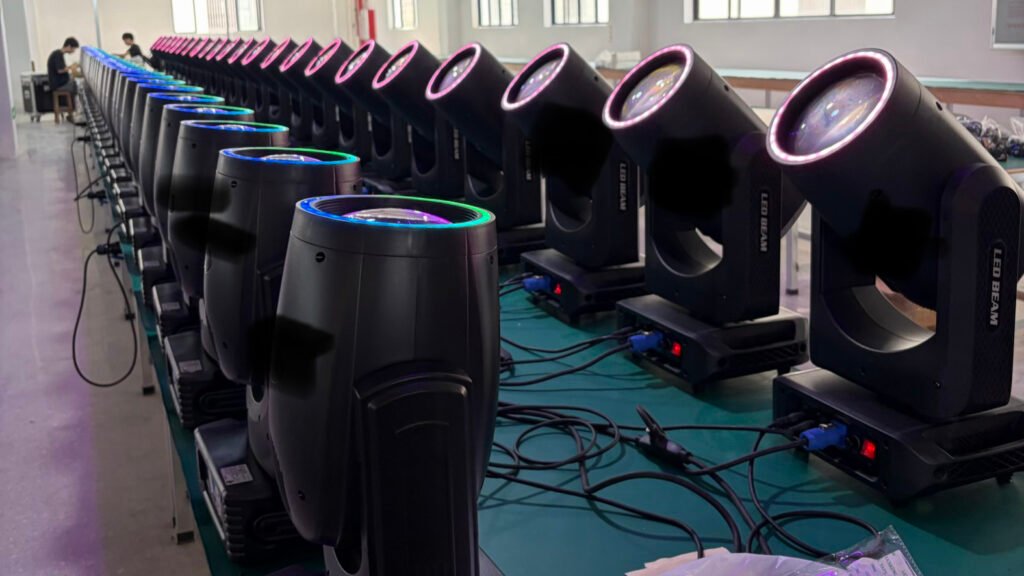
Before placing a bulk order for moving head beam lights, buyers should confirm both product specifications and supply support. A good beam effect is important, but stable delivery and consistent quality matter just as much for distributors and rental companies.
Check these points before ordering:
For example, the RG-119 295W Beam Moving Head supports AC 90-240V, 275W / 295W light source options, DMX / master-slave / sound / auto control, 13 colors plus white, 14 fixed gobos plus white, prism effects, adjustable strobe, and 540 degree pan with 270 degree tilt. It is positioned for wholesalers, distributors, rental companies, and stage project contractors.
For buyers who want a practical first beam fixture for rental and wholesale orders, a 295W beam moving head light is a strong starting point. It can serve wedding stages, clubs, medium event stages, and distributor stock.
For buyers serving larger stages, concerts, outdoor performances, or high-output rental projects, 380W and IP65 outdoor beam options should also be considered.
The best approach is to share your normal venue size, target market, quantity plan, and packing preference with the supplier. WUYESTAGE can then recommend a suitable model from the Beam Moving Head Light Series instead of forcing one fixture into every project.
The best beam angle depends on the stage size and throw distance. Large concerts usually need a tighter beam for long visible aerial effects. Clubs, weddings, and medium event stages may benefit from a practical beam fixture with enough sharpness plus prism or frost options for flexible looks.
Narrow beams are better for sharp aerial effects and long-distance impact, but they are not always the best choice for every venue. Smaller stages may need a fixture that looks strong at a shorter distance and can create more varied effects.
A 295W beam moving head light can be a practical option for rental companies serving weddings, clubs, medium stages, and event projects. Buyers who work on larger stages or outdoor shows may also compare 380W and IP65 outdoor beam models.
Beam moving heads are designed for sharp visible light beams and aerial effects. Spot moving heads are more focused on gobo projection, patterns, and controlled image effects. Concert rigs often use both types together.
Distributors should choose based on local buyer demand. If most customers serve weddings, clubs, and medium events, 295W models can be easier to sell. If customers serve concerts, large stages, or outdoor projects, 380W and IP65 options may be needed.
You can compare WUYESTAGE beam fixtures on the Beam Moving Head Light category page, including 295W, 380W, and outdoor beam moving head options for stage rental and project buyers.
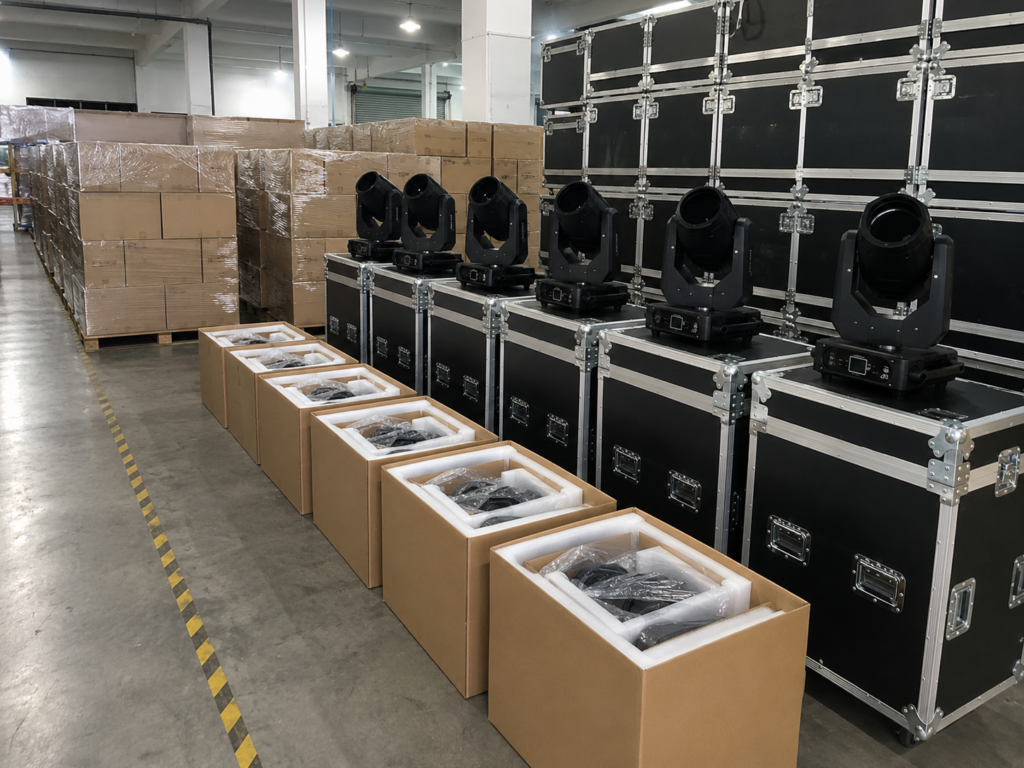
If you are choosing moving head beam lights for wholesale, rental inventory, or a stage project, share your stage size, target application, order quantity, and packing requirement with WUYESTAGE. We can recommend suitable 295W, 380W, or outdoor beam moving head options and support sample orders, bulk orders, OEM/ODM requests, and export packing for long-term partners.

Beam angle is another important part of this decision. Narrow beams stay visually defined over distance, while wider effects can feel fuller at shorter range. For a deeper comparison, read our guide on how to choose the right beam angle.